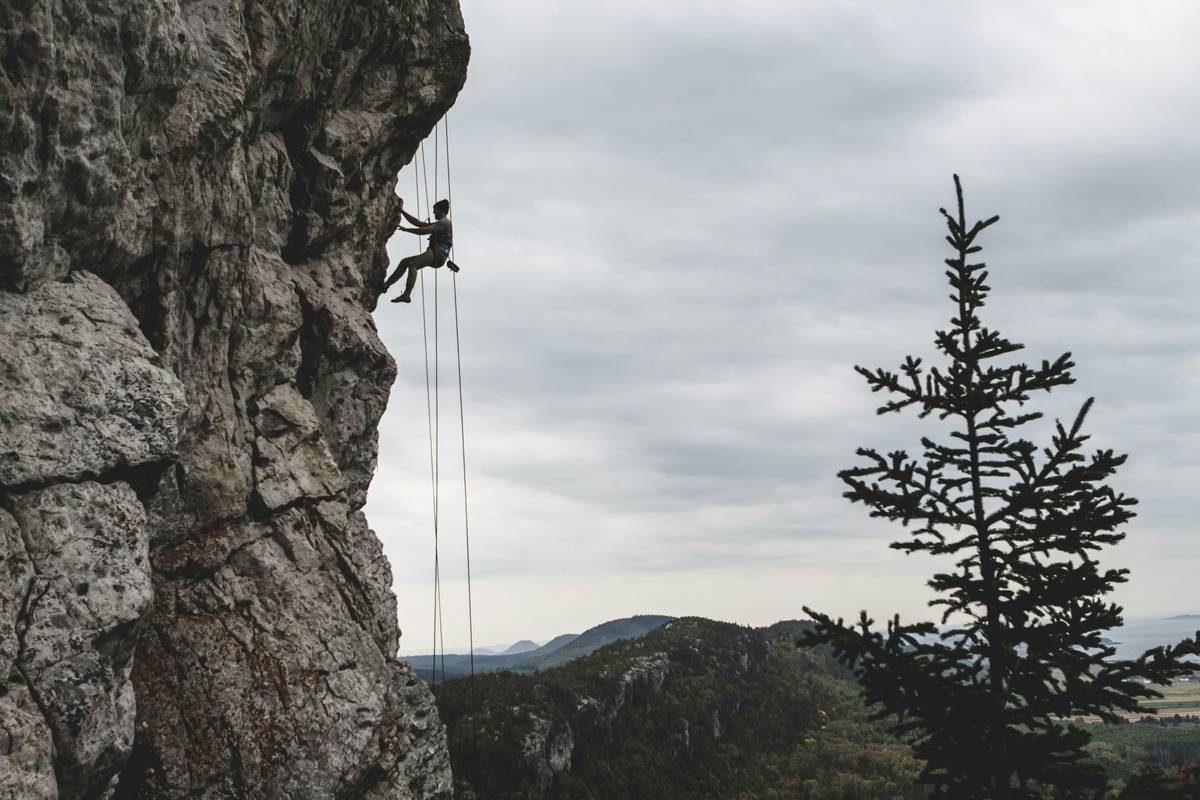
You’re clipped in, 300 feet off the deck, and a softball-sized rock whizzes past your ear. Your heart slams against your ribs. Was your helmet actually protecting you—or just giving false confidence? Most climbers pick helmets based on looks, weight, or what their buddy uses. That’s how accidents happen. The right peak safety climbing helmet what to choose isn’t about brand hype—it’s about physics, fit, and real-world failure modes.
Why Most Climbers Get Helmets Dead Wrong
Standard advice says “just wear any certified helmet.” But certification (CE EN 12492 or UIAA) only guarantees minimal impact absorption from a single direct hit—usually straight down. Real climbing falls don’t work like that. Rocks glance off ledges at angles. Ice tools slip sideways. Gear drops from above with spin. Most helmets fail catastrophically under oblique impacts. And foam degrades faster than manufacturers admit—especially if you leave it baking in your car trunk between trips.
Worse: many lightweight helmets sacrifice side coverage for grams saved. One veteran I know took a 4-inch gash because his “ultra-breathable” model left his temple exposed. He didn’t even feel the impact—just blood dripping into his eye mid-pitch.
Peak Safety Climbing Helmet What to Evaluate: A Step-by-Step Guide
Test the Fit Like a Pro—Not a Tourist
Screw the size chart. Put the helmet on bareheaded. Shake your head violently. If it shifts more than half an inch, it’s useless in a fall. Now add your beanie or balaclava—the way you’ll actually climb in alpine conditions. Does it still lock in place? If not, keep looking.
Map Your Exposure Zones
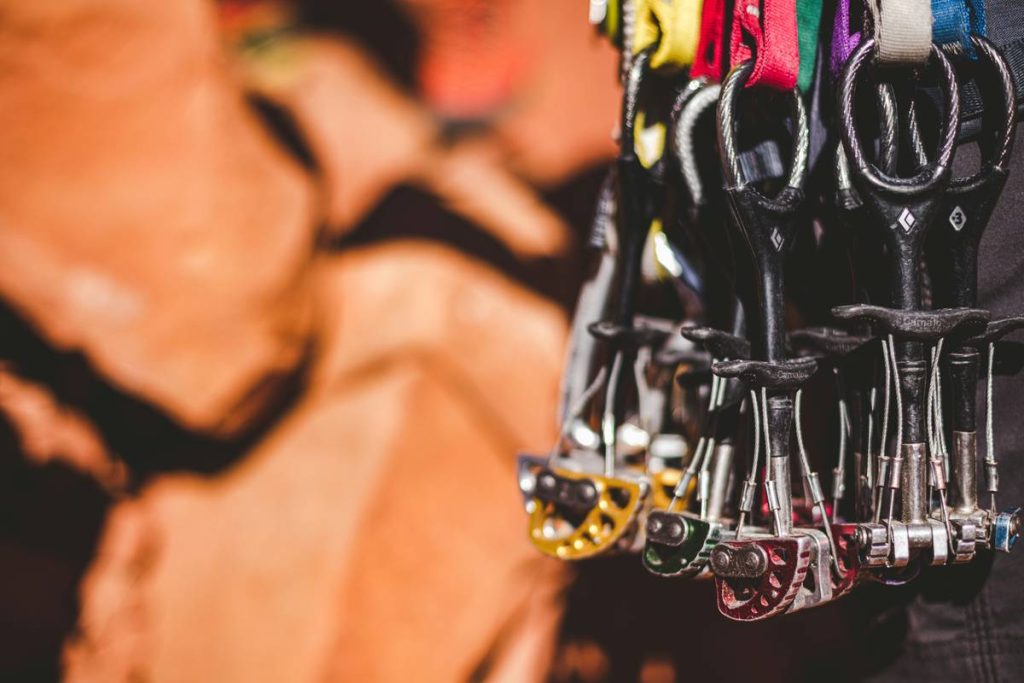
Trad climber racking cams in Indian Creek? Prioritize overhead rockfall protection. Ice climber swinging tools in Ouray? You need reinforced sides and rear coverage. Big wall porter hauling haul bags? Comfort over 12 hours matters more than shaving 50g. Match helmet geometry to your actual routes—not Instagram aesthetics.
Inspect the Ventilation Trade-Off
More vents = cooler head but weaker shell integrity. In mixed or ice, frost buildup clogs vents anyway. For desert cracks? Go ventilated. For Scottish winter? Solid-shell models like the Petzl Boreo outperform every time. Don’t let marketing photos fool you—real performance lives in the details.

| Helmet Type | Best For | Impact Coverage | Avg. Weight | Price Range |
|---|---|---|---|---|
| Hard Shell (e.g., Petzl Meteor) | Alpine, Ice, Mixed | Full 360° + reinforced sides | 320–380g | $80–$110 |
| In-Mold Foam (e.g., Black Diamond Vapor) | Sport, Gym, Warm Rock | Top-focused; weak laterally | 200–250g | $60–$90 |
| Hybrid (e.g., Mammut Wall Rider) | Big Wall, Multi-Pitch Trad | Balanced top/side; MIPS optional | 270–310g | $100–$130 |

The Industry Secret Nobody Talks About
Here’s the uncomfortable truth: helmet lifespan isn’t 5–10 years—it’s often closer to 2 if you’re active. UV exposure, sweat acidity, and micro-drops degrade EPS foam silently. Manufacturers won’t say this because it kills repeat sales. But talk to rescue teams in Chamonix or Yosemite—they replace gear after every major incident… and often preemptively. One guide told me they retire helmets after a single significant impact, even if there’s no visible crack. Why? Because compression fractures in foam are invisible to the naked eye—but deadly under load. Your helmet isn’t “fine” just because it looks intact. When in doubt, trash it. Your skull isn’t replaceable.
FAQ
Do I need a MIPS liner in my climbing helmet?
MIPS adds rotational impact protection—critical for angled hits. Worth it for ice or alpine where side impacts are common. Less essential for vertical sport climbing.
Can I use a bike helmet for climbing?
No. Bike helmets meet CPSC standards for forward falls on pavement—not vertical rockfall or multi-impact scenarios. They also lack secure retention under dynamic loads.
How tight should a climbing helmet be?
Snug enough that it doesn’t shift when you shake your head hard—but not so tight it gives you a headache in 20 minutes. The chin strap should allow one finger underneath when fastened.