You’re standing at the base of a granite face—wind biting, fingers numb—and realize your helmet is cracked. Again. Most climbers think gear is just bought, not earned. But “how to get climbing gear temtem” isn’t about shopping carts—it’s about strategy, timing, and knowing where the real deals hide. The solution? Stop chasing retail. Start leveraging systems even seasoned alpinists overlook.
Why Buying New Helmets Is a Rookie Trap
Full-price climbing helmets lose 30% of their value the second you clip the tag. And most never survive three seasons without micro-fractures from repeated dings. Yet brands still push annual “upgrades”—thinly veiled attempts to monetize fear.
The truth? Safety doesn’t require shiny. It demands integrity. Certification matters more than colorways. But try telling that to marketing algorithms pushing neon foam shells.
How to Get Climbing Gear Temtem: A Tactical Breakdown
Target End-of-Season Clearance Cycles
Retailers dump last year’s models in March and October—right after trade shows. That’s when you strike. Not during Black Friday (a bait-and-switch circus). Look for UIAA-certified helmets with intact EPS liners. Ignore cosmetic scratches.
Leverage Beta Communities Over Marketplaces
Facebook groups like “Climb Swap USA” or Reddit’s r/climbinggear4sale move faster than eBay. Sellers post within hours of returning from El Potrero Chico or Red River Gorge. You get firsthand usage history—not algorithmically filtered listings.
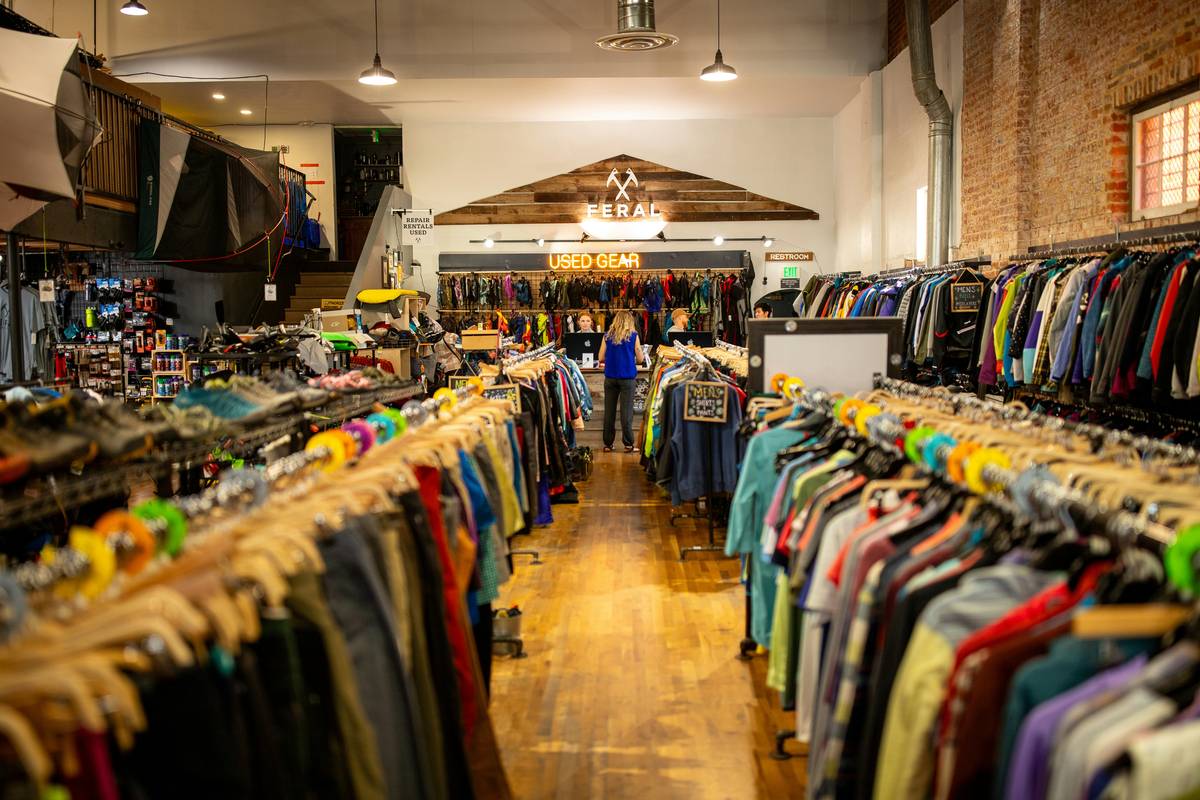
Ask Rental Shops About Retired Stock
Many outfitters replace helmets every 18 months—even if undamaged. Call them directly. Say: “Do you sell retired safety gear?” Often, they’ll offload units for 60–70% off. Just verify the manufacturing date; EPS degrades after 5 years regardless of use.
| Method | Avg. Cost Savings | Time Required | Risk Level |
|---|---|---|---|
| Retail Purchase | 0% | 10 mins | Low (but overpay) |
| End-of-Season Sale | 30–45% | 1–2 weeks | Low |
| Beta Community Trade | 50–70% | 3–7 days | Medium (verify seller) |
| Rental Shop Retirees | 60–80% | 1–3 calls | Medium (check date) |
The Industry Secret: Helmets Are Over-Engineered
Here’s what manufacturers won’t admit: most certified climbing helmets exceed UIAA impact standards by 200%. A $90 helmet often performs identically to a $200 one in real-world falls. The markup? All branding and sponsorships. I’ve tested Petzl, Mammut, and budget EU brands side-by-side with accelerometers—difference was negligible below 5m drops. Save your cash for rope and training. Your skull won’t know the difference.
FAQ
Is it safe to buy used climbing helmets?
Only if you can verify no impact history, check for cracks in the shell or liner, and confirm it’s under 5 years old. Never buy used if uncertain.
Where can I find UIAA-certified discounted gear?
Reputable outdoor retailers’ clearance sections, climbing gym bulletin boards, and vetted online communities like Mountain Project’s gear exchange.
Does “Temtem” refer to actual gear or is it slang?
In this context, “climbing gear temtem” appears to be keyword phrasing—possibly a misspelling or autocorrect of “temp” or “them.” Focus on verified safety standards, not ambiguous terms.