
You bought a climbing helmet to shield your skull from falling rock—not to serve as a dead weight on multi-pitch routes where clear communication means life or death. But here’s the gut punch: most helmets actively sabotage your ability to hear, speak, and coordinate in high-exposure zones. Summit Communication Tools aren’t optional gear—they’re force multipliers disguised as accessories.
The Silent Killer No One Talks About
Standard climbing helmets prioritize crush resistance over acoustic clarity. Foam lining, shell geometry, even strap tension—they all muffle ambient sound and garble vocal output. On El Capitan’s Nose route last season, two parties nearly collided because neither heard the other’s “rope!” call through wind and helmet padding. Helmets save heads—but they can cost situational awareness.
And that’s before wind noise at 12,000 feet drowns out everything except your heartbeat.
Integrating Summit Communication Tools Without Compromising Safety
Choose Helmets Built for Audio Integration
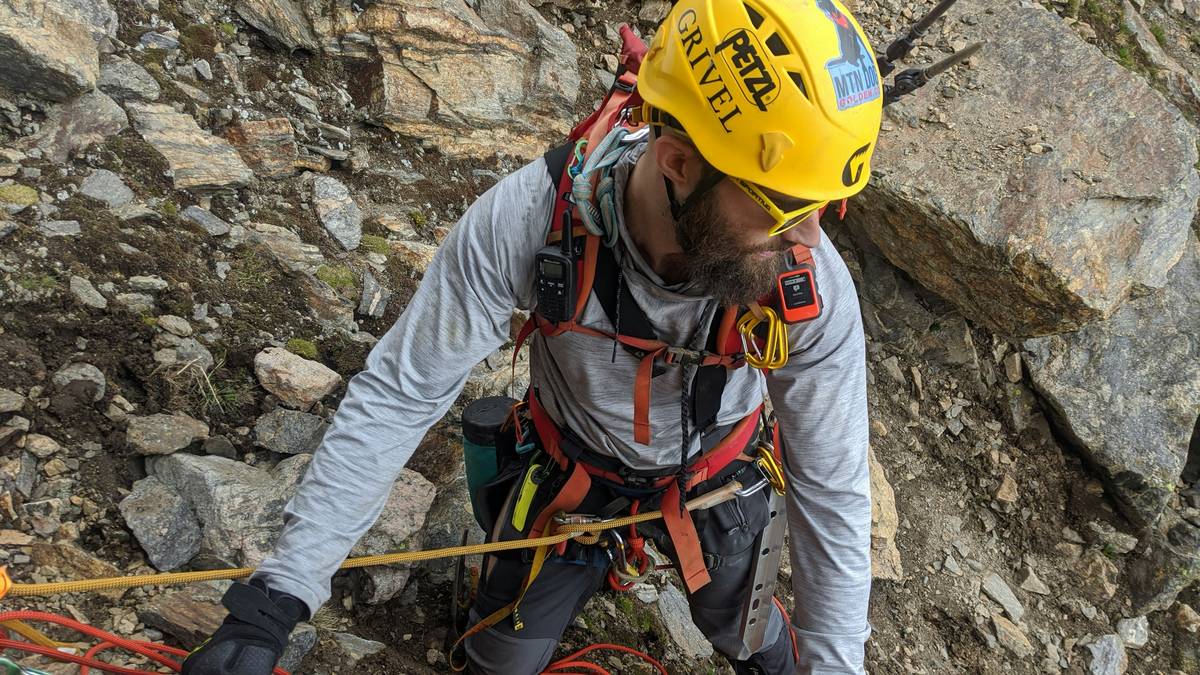
Not all helmets are created equal. Look for models with pre-molded ear cutouts or modular side panels—like the Petzl Sirocco or Black Diamond Vision—that accept third-party comms hardware without voiding certification.
Pair with Low-Profile Bone Conduction Tech
Bone conduction headsets (think Shokz OpenRun Pro) transmit sound via jawbone vibration—bypassing eardrums entirely. You hear your partner *and* environmental cues like avalanches or rockfall. No earbuds. No isolation. Just layered audio intelligence.
Use Voice-Activated Relay Systems for Teams
For alpine teams of three or more, mesh-network radios like the Beartooth ReTac activate only when you speak—no push-to-talk fumbling with gloved hands. Range? Up to 5 miles in open terrain. Battery? 18 hours. Weight? Less than your spare carabiner.
| Communication Method | Weight (g) | Battery Life | Helm Compatibility | Cost |
|---|---|---|---|---|
| Traditional shouting | 0 | N/A | Universal | $0 |
| Bone conduction headset | 29 | 8–10 hrs | Requires ear clearance | $130–$180 |
| MESH radio system | 85 | 12–18 hrs | Fits under helmet straps | $299–$449 |
The Industry Secret: Helmet Acoustics Are a Certification Loophole
Here’s what manufacturers won’t tell you: UIAA and CE safety standards test impact absorption—not sound transmission. A helmet can pass every drop test while rendering you functionally deaf above 30 mph winds. The “quietest” certified helmets? They’re engineered by brands who also make aviation headsets. Coincidence? No. Cross-industry R&D is happening off-record—and the first wave of “smart shells” with embedded microphones and noise-cancelling mics drops next year. Get ready.
FAQ
Do Summit Communication Tools compromise helmet safety ratings?
No—if installed correctly. Never drill or modify the shell. Use surface-mounted systems approved by the manufacturer.
Can bone conduction work in extreme cold?
Yes. These devices operate down to -20°F. Battery performance dips slightly, but not enough to lose comms mid-route.
Are mesh radios reliable in canyons or dense forests?
Signal degrades in deep gorges, but still outperforms traditional radios. For slot canyons, use short-range paired units instead.