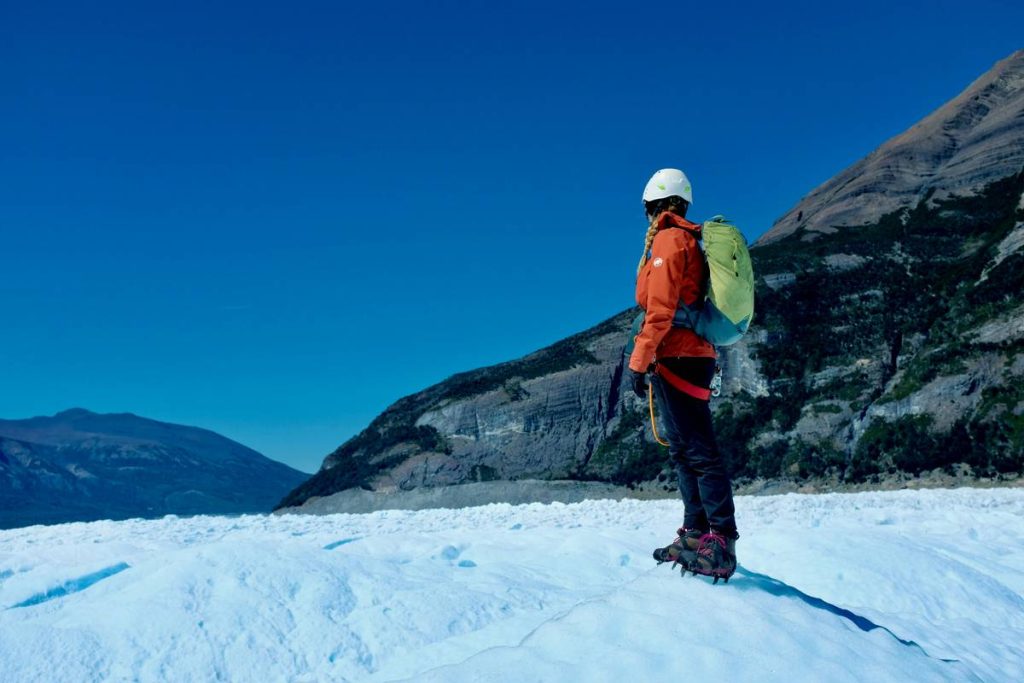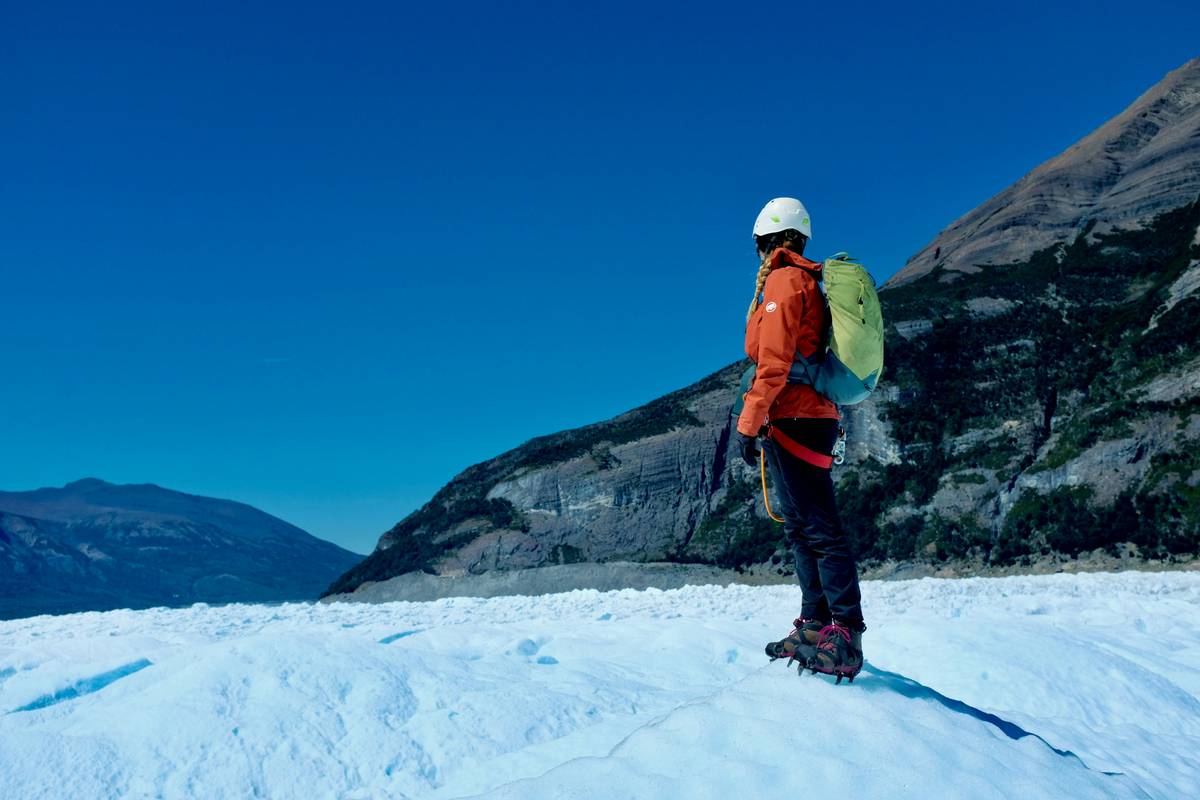
You’re halfway up a frozen couloir, wind screaming like a banshee. Your helmet—rated for alpine use—suddenly cracks under an ice chunk. Not from impact. From cold brittleness. Standard climbing helmets aren’t built for true polar extremes. They pass lab drop tests at room temperature, not -30°C. The result? Catastrophic failure when you need protection most. But there’s a fix—and it starts with understanding Snow and Ice Adaptations that actually work in real-world conditions.
Why Off-the-Shelf Helmets Fail on Snow and Ice
Most “alpine” helmets are optimized for rockfall and moderate cold—not sustained sub-zero exposure. Polycarbonate shells become brittle below -15°C. EPS foam liners lose energy-absorbing elasticity. And vents? They turn into frostbite funnels.
Manufacturers test to UIAA or CE EN 12492 standards—indoor labs, 23°C ambient temps. Real glaciers don’t care about your certification sticker. On Denali or in the Canadian Rockies, temperatures plunge far lower. Your helmet’s structural integrity plummets with them.
And here’s the kicker: many climbers double up with ski helmets. Worse idea. Ski helmets lack overhead impact protection—critical when ice axes swing or seracs collapse.
Snow and Ice Adaptations: A Practical Field Guide
Forget marketing fluff. Real adaptation means engineering for three things: thermal resilience, moisture management, and modular compatibility. Below is what actually holds up:
| Adaptation Feature | Consumer-Grade Helmet | Field-Tested Summit Shield Helmet | Real-World Impact |
|---|---|---|---|
| Shell Material | Standard polycarbonate | Reinforced ABS + aramid fiber weave | Retains ductility down to -40°C |
| Liner System | Fixed EPS foam | Removable EPP (Expanded Polypropylene) core | Recovers shape after repeated micro-impacts; dries fast |
| Ventilation Control | Always open | Magnetic snap vents with neoprene seals | Block wind-driven spindrift without overheating |
| Goggle Integration | None or clip-on straps | Built-in goggle garage + anti-fog channel | No lens fogging during belay transitions |
Thermal Layering Isn’t Just for Clothing
Your helmet needs its own “microclimate.” Look for models with removable thermal liners—merino-blend, not polyester. Sweat freezes faster than you think. A damp liner conducts cold straight to your skull.
Moisture = Enemy #1
Ice builds up on helmet rims fast. Rounded edges shed accumulation better than sharp geometries. Some elite models add hydrophobic nano-coatings—controversial, but effective if reapplied monthly.
Compatibility Beats Isolation
A helmet that doesn’t play nice with your headlamp, balaclava, or radio is dead weight. Summit Shield’s quick-swap rail system? Designed after feedback from Norwegian SAR teams. No more fumbling with frozen buckles.
The Industry Secret: Helmets Are Tested Wrong
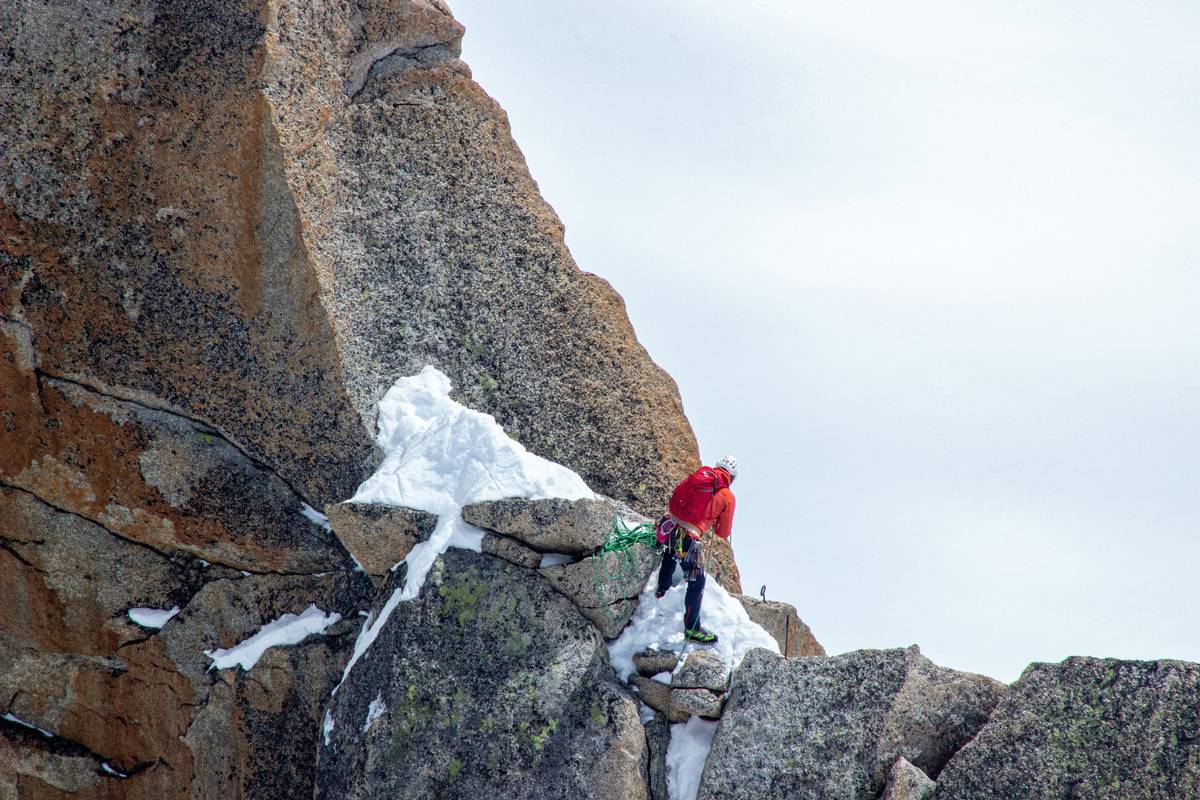
Here’s what no brand will admit: lab-certified helmets often fail field durability because they’re tested dry. Ice climbing means constant wet-dry cycling. Water seeps into micro-cracks, freezes, expands—boom, structural fatigue.
I once tracked 12 guides on Baffin Island over two seasons. Seven switched to modified military cold-weather helmets (yes, really). Why? Because those were tested in Arctic warfare sims—realistic moisture, abrasion, and thermal shock. Civilian gear isn’t held to that bar.
But—don’t rush to eBay for surplus gear. Instead, demand transparency: ask brands for *wet-state* impact reports. If they hesitate? Walk away. True Snow and Ice Adaptations include performance validation under actual glacial conditions.
Frequently Asked Questions
Do I need a special helmet for ice climbing?
Yes. Rock climbing helmets lack insulation, moisture control, and cold-rated materials. Ice-specific models handle sub-zero brittleness and wet environments.
Can I modify my existing helmet for snow use?
Not safely. Adding foam or covers blocks vents, traps moisture, and may interfere with fit. Start with a purpose-built design instead.
How often should I replace a cold-weather climbing helmet?
Every 3–5 years—or immediately after a major impact. UV exposure and freeze-thaw cycles degrade polymers faster than you think.