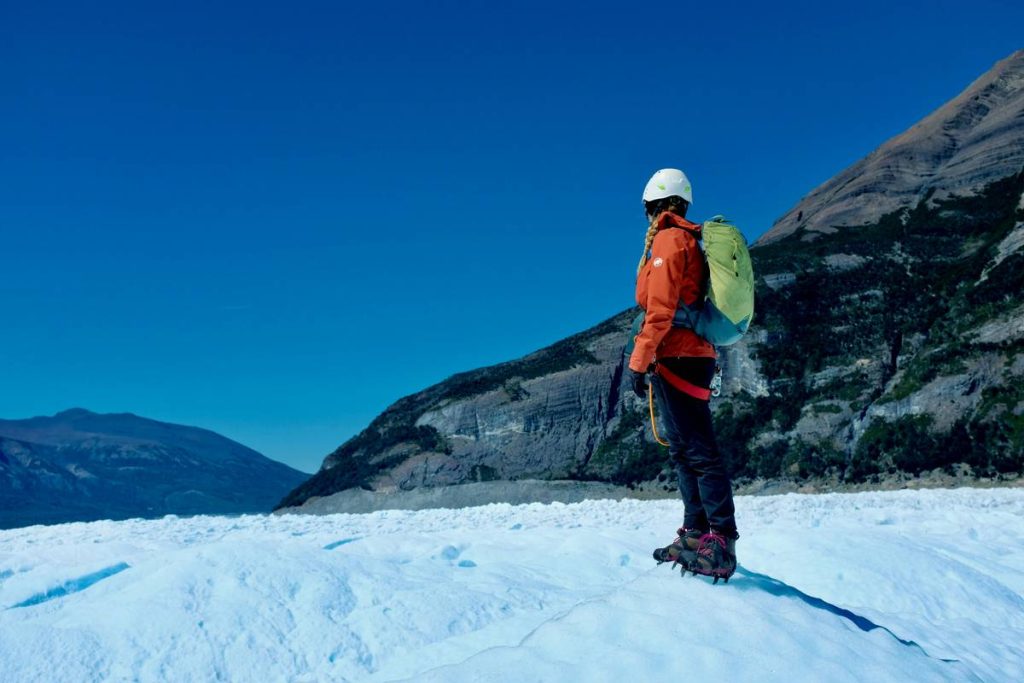
You’re 300 feet up a granite face, alone, when your rope snags. A sudden thunderstorm rolls in. Your phone’s dead. No one knows you’re there. That’s not paranoia—that’s Tuesday for solo climbers. Standard gear won’t save you when seconds count. But the right Emergency Signal Devices might just bring rescuers to your exact ledge before hypothermia sets in.
Why Whistles and Flashlights Aren’t Enough Anymore
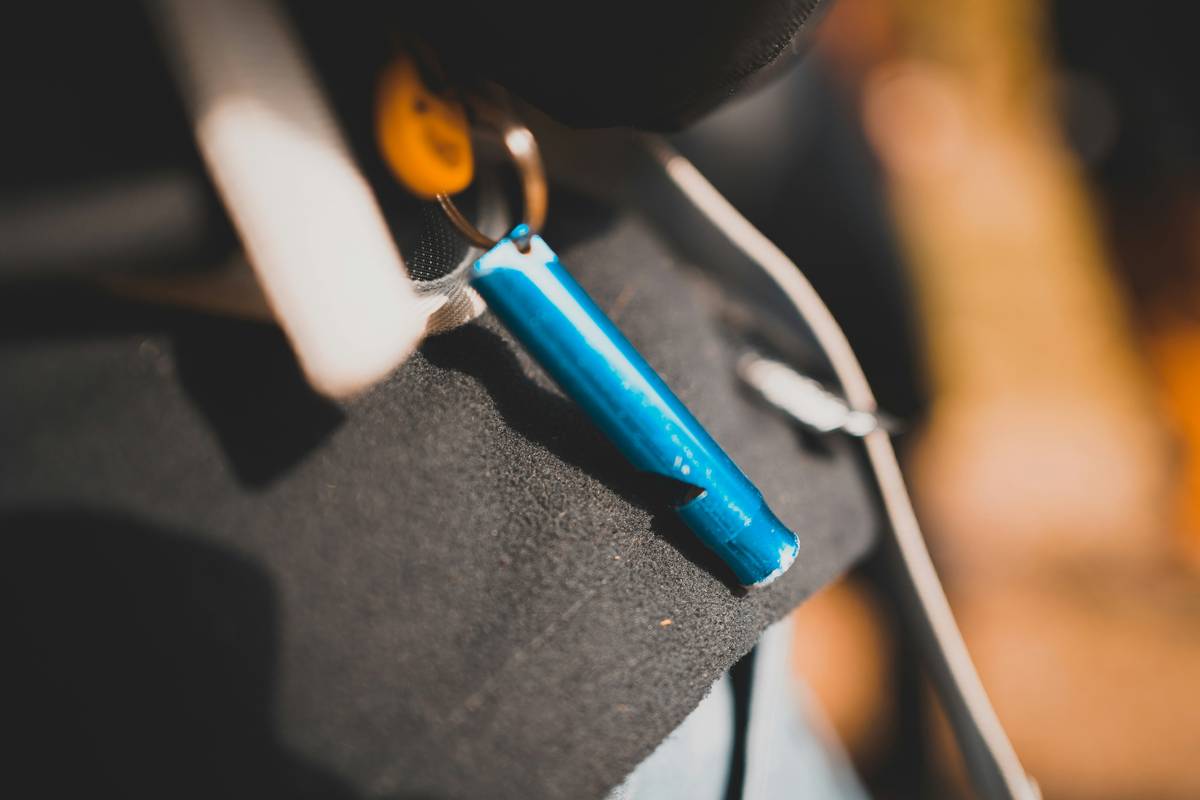
Most climbers still rely on analog signals: three whistle blasts, mirror flashes, waving arms. Noble—but tragically outdated. Sound dissipates fast above 8,000 feet. Cloud cover kills visibility. And if you’re injured or pinned? Good luck blowing hard enough.
Here’s the reality: modern wilderness rescues are triggered by precise coordinates—not guesswork. Without GPS-enabled signaling, you’re betting your life on someone happening to look your way at the exact right moment. The math is simple: probability of visual detection drops 73% in poor weather (per 2023 NOLS field data). Yet most helmets still have zero integration for actual emergency tech.
Choosing and Using Emergency Signal Devices: A Practical Breakdown
Know Your Signaling Hierarchy
Not all signalers are equal. PLBs (Personal Locator Beacons) talk directly to satellites. Satellite messengers like Garmin inReach let you text back and forth. Then there are audio-visual aids—bright but limited. Match the tool to your risk profile.
Battery Life vs. Activation Speed Trade-Off
A PLB lasts 24+ hours once triggered—but takes 5 minutes to lock onto satellites. In contrast, satellite messengers connect in under 60 seconds but drain faster during extended use. If you’re dangling unconscious, activation time matters more than runtime.

Harness Mounts vs. Helmet Integration
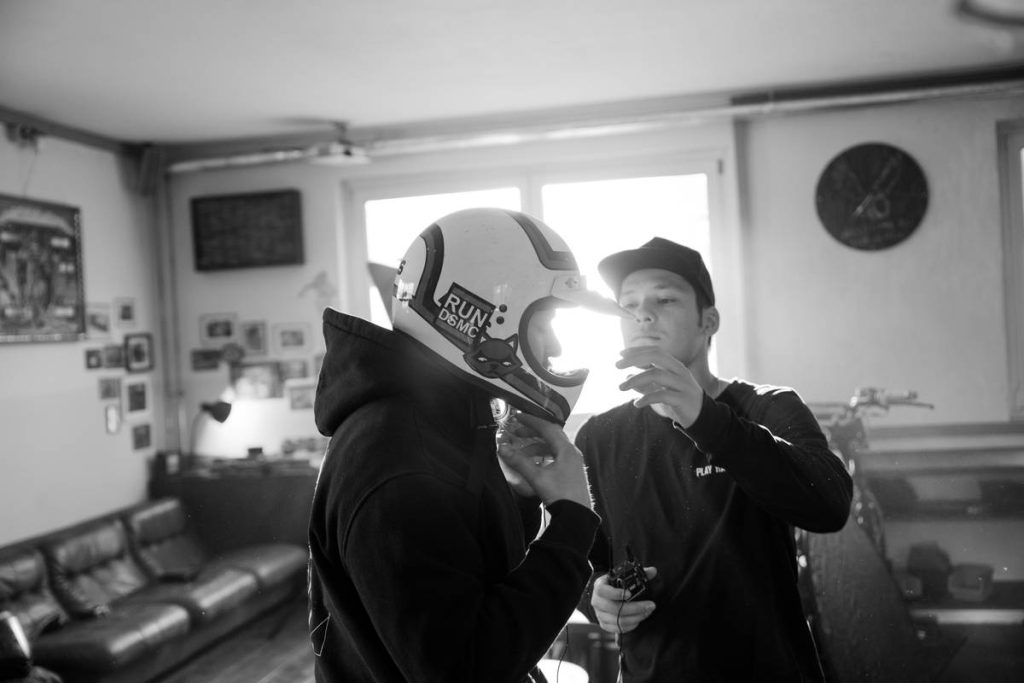
Mounting your device on your helmet keeps it accessible even if you can’t reach your pack. But most helmets lack dedicated mounts—so retrofit with flexible strap kits. Pro tip: test deployment with gloves on. Fumbling with tiny buttons in -10°C winds isn’t theoretical—it’s how signals fail.
| Device Type | Activation Time | Battery Life (Active) | Cost Range | Ideal For |
|---|---|---|---|---|
| PLB (e.g., ACR ResQLink) | 3–5 minutes | 24+ hours | $250–$400 | Solo alpine climbs, remote expeditions |
| Satellite Messenger (e.g., Garmin inReach Mini 2) | <60 seconds | ~20 hours (with SOS only) | $350–$500 + subscription | Groups, multi-day routes with check-ins |
| Strobe + Audio Combo (e.g., ResQMe) | Instant | 8–12 hours | $30–$80 | Backup signal, short crag days |
The Industry Secret: Helmets Are Becoming Signal Hubs—and You’re Behind
Manufacturers aren’t talking about it, but next-gen climbing helmets are being designed with modular bays for micro-signaling units. Petzl’s prototype “Summit Shield X” embeds a Bluetooth-triggered strobe that auto-activates if head impact exceeds 5G—critical for falls where you’re knocked out cold. And here’s the kicker: many existing helmets can be retrofitted with aftermarket magnetic mounts that hold devices securely without drilling.
But most climbers don’t know this because brands market safety as “helmet meets impact standard”—not “helmet integrates survival tech.” That gap could cost you. Start treating your helmet not just as head protection, but as your primary emergency platform.
Frequently Asked Questions
Do I need an Emergency Signal Device if I always climb with partners?
Yes. Avalanches, rockfall, or medical events can separate teams instantly. A partner might not survive long enough to signal for help themselves.
Can I use my smartphone as an Emergency Signal Device?
Only if it has satellite SOS (iPhone 14+/some Androids)—and even then, battery dies fast in cold. Dedicated devices work at -40°F; phones shut down at -4°F.
Are Emergency Signal Devices legal everywhere?
PLBs are legal globally with no subscription. Satellite messengers require regional service plans—check coverage before international trips. Never assume universal functionality.