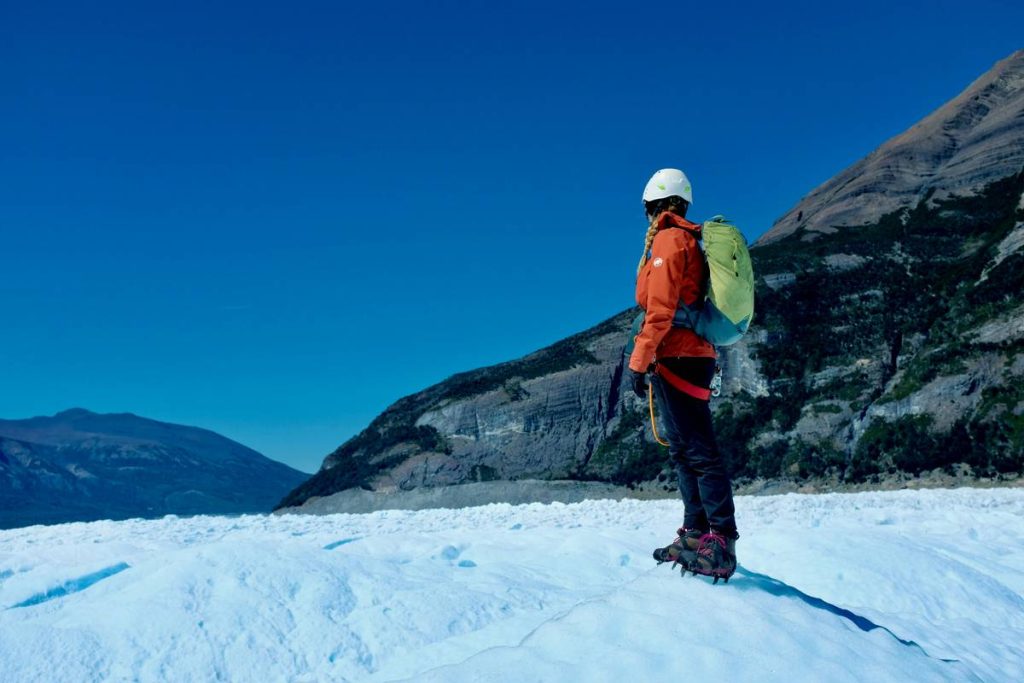
You’ve packed your Summit Shield helmet, checked your carabiners, even rehearsed your knot-tying in the dark. But at 14,000 feet, none of that matters if you’re vomiting behind a boulder while your team pushes toward the summit. Altitude sickness hits fast—and silently. The real solution isn’t just gear. It’s strategy.
Why Most Altitude Sickness Prevention Tactics Fail
Climbers obsess over oxygen masks and Diamox prescriptions—yet ignore how their ascent rhythm sabotages them from day one. Hydration? Sure. Acclimatization hikes? Helpful. But they miss the metabolic tipping point where your body shifts from coping to collapsing. And no, “taking it slow” isn’t enough if your sleep schedule or meal timing works against you. One missed sleep cycle above 8,000 feet can undo three days of careful pacing.
Think about it: your brain doesn’t care how expensive your climbing helmet is when cerebral edema starts swelling.
Altitude Sickness Prevention: The 5-Step Protocol That Works
This isn’t theory. It’s what guides on Denali and the Khumbu use when clients pay $45K for a shot at the top—and expect to come back alive.
Step 1: Pre-Acclimatize at Home (Yes, Really)
Use an altitude tent or mask system two weeks before departure. Even 60 minutes nightly at simulated 10,000 ft triggers erythropoietin release—boosting red blood cell count before you leave sea level. Skip this, and you’re starting the race with flat tires.
Step 2: Hydrate with Electrolytes—Not Just Water
At elevation, you lose sodium through sweat and respiration faster than you realize. Plain water dilutes blood sodium, worsening headaches and fatigue. Use a balanced electrolyte mix with magnesium and potassium—not sugar-loaded sports drinks.
Step 3: Ascent Rule: “Climb High, Sleep Low” Is Non-Negotiable
If your camp is at 12,000 ft, hike to 14,000 ft during the day—but descend to sleep. This stresses your system just enough to adapt without tipping into sickness. Violate this once, and your risk doubles.
Step 4: Time Carbs Around Your Summit Push
Your body burns 30% more calories at altitude. Eat complex carbs 90 minutes before climbing—oats, sweet potatoes, quinoa. Avoid heavy fats; they slow digestion when oxygen is scarce.
Step 5: Monitor Pulse Ox Like a Vital Sign
A fingertip pulse oximeter isn’t optional. If your SpO2 drops below 80% at rest—or your resting heart rate jumps 20 bpm overnight—abort the next ascent. No debate.
| Prevention Method | Effectiveness | Daily Cost | Risk Reduction |
|---|---|---|---|
| Diamox (Acetazolamide) | High (if started early) | $8–$12 | ~50% |
| Pre-acclimatization Tent | Very High | $30–$50 (rental) | ~65% |
| Electrolyte Protocol Only | Moderate | $2–$4 | ~25% |
| Pulse Ox Monitoring + Ascent Discipline | Extreme | $0 (after device purchase) | ~75% |
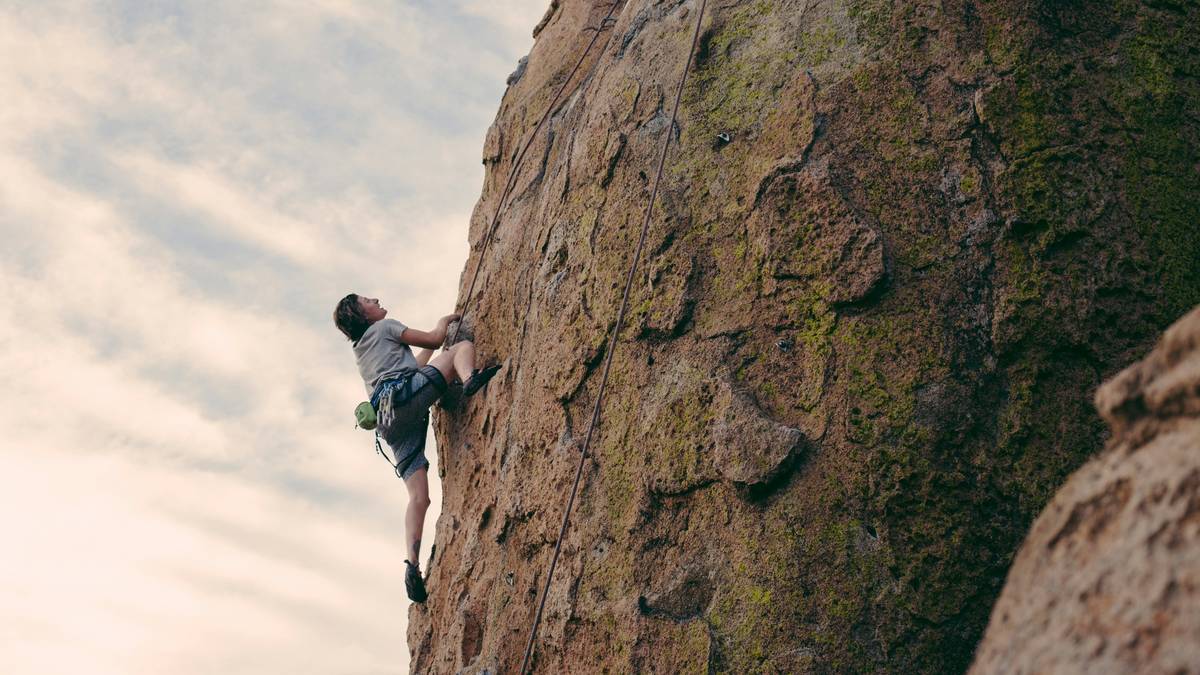
The Industry Secret: Your Helmet’s Hidden Role in Altitude Awareness
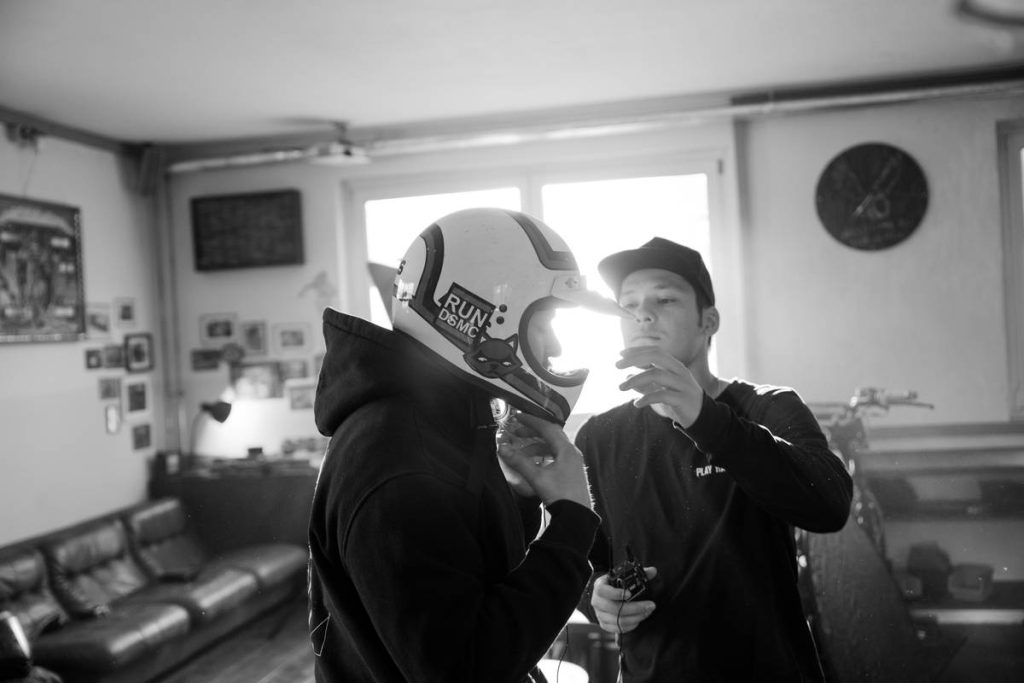
Here’s what gear companies won’t say: your Summit Shield helmet does more than protect your skull—it’s a behavioral anchor. Top guides notice that climbers who wear helmets consistently also follow safety protocols like hydration and rest schedules. Why? Because putting on the helmet triggers a mental shift: “I’m in expedition mode.” That mindset reduces risky decisions—like pushing upward with a headache. The helmet itself doesn’t prevent altitude sickness. But the ritual around it changes behavior. And behavior saves lives.
Frequently Asked Questions
Can you get altitude sickness below 8,000 feet?
Rare—but possible. Susceptible individuals may show symptoms as low as 5,000 ft, especially with rapid ascent. Never assume you’re “too low” to be at risk.
Does Diamox guarantee Altitude Sickness Prevention?
No. It reduces risk by aiding acclimatization but won’t override poor ascent planning. Some still get sick on Diamox—especially if dehydrated or sleep-deprived.
How fast should I ascend to prevent altitude sickness?
Above 10,000 ft, limit elevation gain to 1,000 ft per day—with a rest day every third day. Faster increases demand supplemental oxygen or medical oversight.