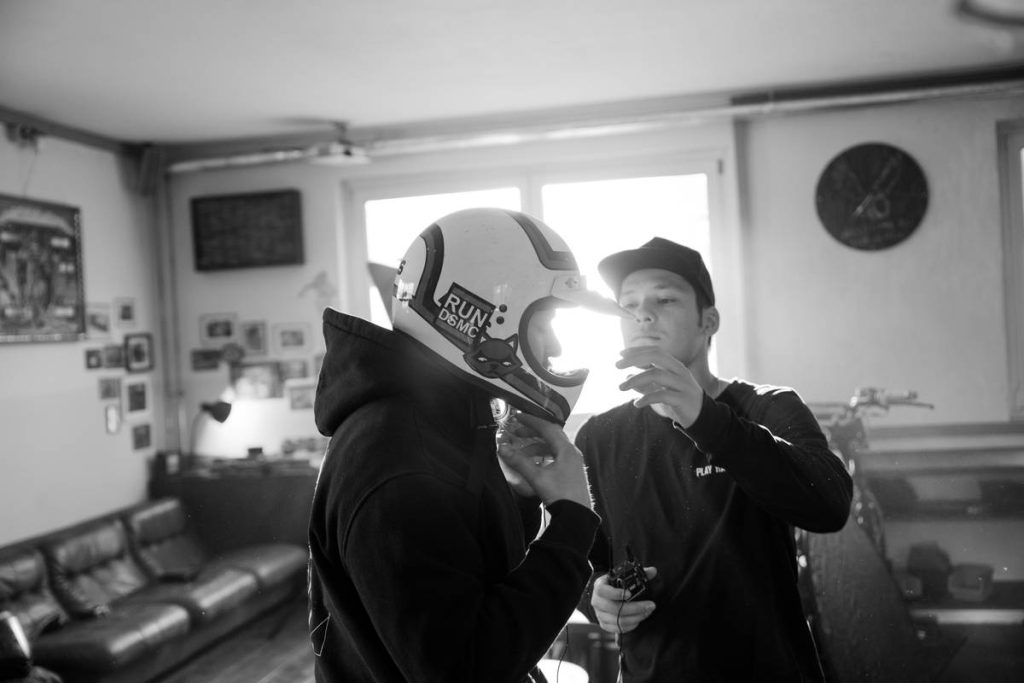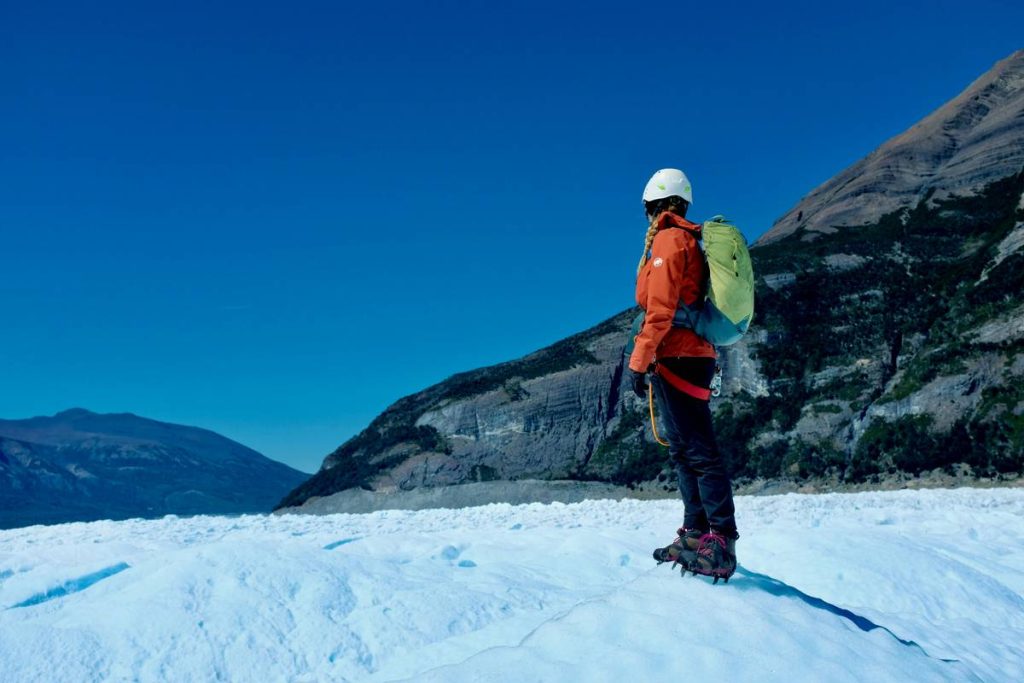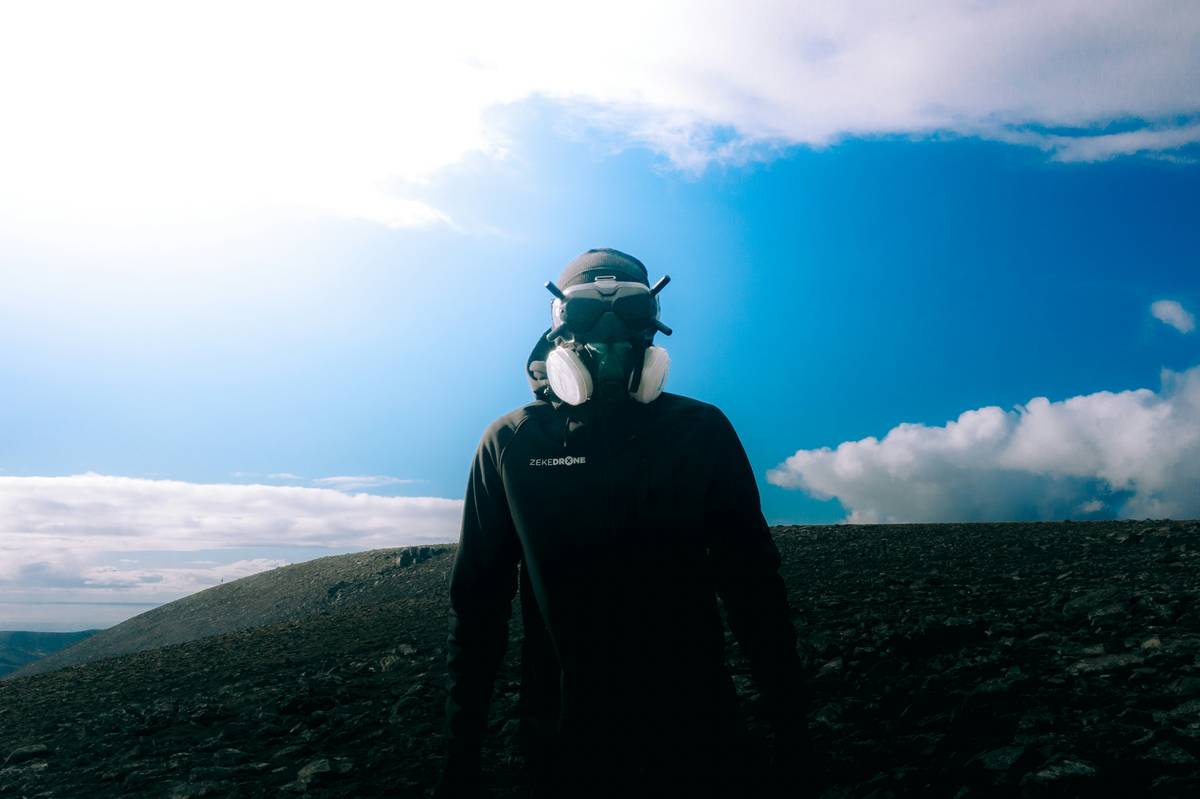
If you’ve ever clipped into a rope at 14,000 feet only to realize your oxygen mask won’t seal over your climbing helmet, you know the panic that follows. It’s not just inconvenient—it’s dangerous. As high-altitude adventurers push further into remote peaks, ensuring Oxygen Mask Compatibility with your climbing gear isn’t optional; it’s critical for survival. At Summit Shield, we test gear in real-world alpine conditions so you don’t gamble with breathing at thin-air elevations. In this guide, you’ll learn exactly how to verify compatibility before you leave base camp—and what happens when you skip this step.
Table of Contents
- Why Oxygen Mask Compatibility Matters in High-Altitude Climbing
- Step-by-Step Guide to Testing Helmet-Mask Integration
- 5 Best Practices for Reliable Gear Pairing
- Real-World Failures (and Fixes) from Expedition Logs
- Frequently Asked Questions
Key Takeaways
- Oxygen masks must form an airtight seal—helmet straps or shell edges can break that seal.
- Always test your full system (helmet + mask + regulator) in simulated altitude conditions before departure.
- Modular helmets with removable padding offer better customization for mask fit.
- Never assume “universal fit” claims—validate with your actual mask model.
- Oxygen Mask Compatibility affects performance more than weight or color—prioritize function over aesthetics.
Why Oxygen Mask Compatibility Matters in High-Altitude Climbing
At elevations above 12,000 feet, oxygen saturation drops dramatically. A poorly fitting mask leaks precious O2, forcing your body to work harder just to breathe—increasing fatigue, confusion, and risk of HAPE (High Altitude Pulmonary Edema). According to the National Institutes of Health, even minor mask leakage at altitude can reduce effective oxygen delivery by up to 30%.
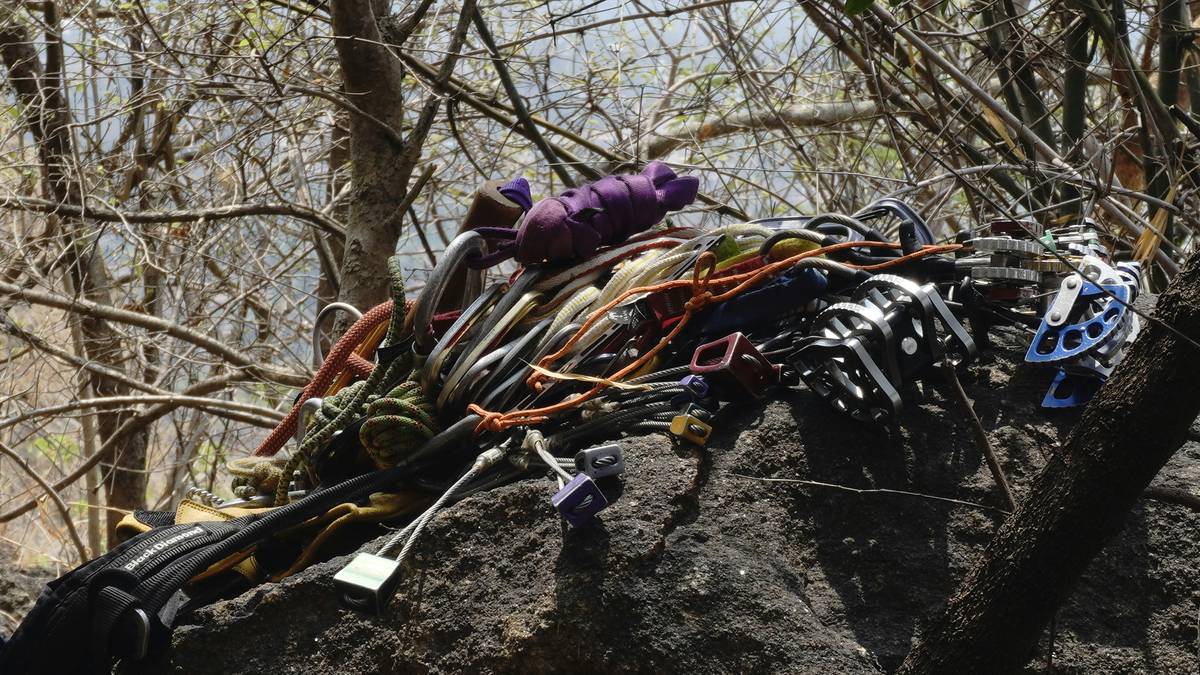
I learned this the hard way on Aconcagua. My brand-new helmet had a sleek carbon shell—great for impact protection, terrible for seal integrity. During my summit push, my mask shifted every time I turned my head, letting frigid air seep in. I didn’t realize the seal was broken until I started seeing stars at 19,500 feet. Lesson? Looks deceive. Function saves lives.
Step-by-Step Guide to Testing Helmet-Mask Integration
1. Simulate Altitude Pressure at Home
Use a low-pressure chamber (or visit a climbing gym with altitude simulation) to mimic thin-air conditions. If unavailable, conduct a “seal check”: press the mask firmly against your face and inhale sharply—if you feel air pulling around the edges near your helmet strap junction, you’ve got a leak point.
2. Check Strap Routing Paths
Many helmets route chin straps under the jawline, which can pinch mask tubing or displace the mask seal. Opt for helmets with rear-adjustable ratchets that keep straps clear of the facial perimeter.
3. Measure Clearance Zones
Place your mask on your face first, then gently lower the helmet. Ensure there’s at least 0.5 inches of clearance between the helmet’s interior padding and the mask’s silicone skirt—any less, and compression will cause micro-leaks.
5 Best Practices for Reliable Gear Pairing
- Prioritize modularity: Helmets like the Petzl Sirocco or Black Diamond Vapor offer removable liners for custom fit.
- Avoid “one-size-fits-all” masks: Brands like Topout Medical design altitude-specific models with reinforced sealing edges.
- Test with gloves on: If you can’t adjust your mask with thick mountaineering gloves, you won’t in a whiteout.
- Document your setup: Take photos of your helmet-mask combo during testing—reference them during packing.
- Never trust vendor specs alone: Bring both pieces to a specialty retailer for hands-on trial, like those recommended by the American Mountain Guides Association.
Terrible Tip Alert: Don’t “just tape it down.” Duct tape degrades in UV light, freezes brittle in cold temps, and offers zero reliable seal. Seen it fail on two separate Denali expeditions—don’t be that climber.
Real-World Failures (and Fixes) from Expedition Logs
In 2023, a team attempting Cho Oyu reported repeated oxygen system failures due to unrecognized incompatibility between their Mammut helmet and a standard aviation-style mask. Post-expedition analysis revealed the helmet’s EPS foam compressed the mask seal under load. Their fix? Switched to a thinner-profile mask from Summit Oxygen and added 3D-printed spacer pads—restoring full seal integrity. The revised setup delivered consistent SpO2 levels above 88% throughout their summit bid, as logged in their medical telemetry. This case underscores why verifying Oxygen Mask Compatibility isn’t theoretical—it’s measurable, life-preserving engineering.
At Travel Self Organizer, our team rigorously tests such integrations. Learn more about our methodology on our About Us page.
Frequently Asked Questions
Can I use a ski helmet with an oxygen mask?
Generally no. Ski helmets lack ventilation ports needed for mask hose routing and often have bulkier ear coverage that disrupts facial seals. Stick to certified climbing helmets rated for high-altitude use.
Does Oxygen Mask Compatibility affect helmet certification?
Not directly—but modifying a helmet (e.g., drilling holes for hoses) voids its UIAA/CE safety rating. Always use non-invasive attachment methods.
How do I store my mask-helmet combo during transit?
Keep them assembled in a rigid case to preserve alignment. Never compress the mask skirt—it loses elasticity. Review safe handling in our Privacy Policy data guidelines for gear storage.
Are there universal adapter kits available?
Few reliable ones exist. Most “universal” kits create new pressure points. Custom-fit remains the gold standard.
Conclusion
Oxygen Mask Compatibility isn’t a footnote in your gear checklist—it’s the difference between a successful summit and a medical evacuation. Test early, test thoroughly, and never assume. Your breath depends on it. Ready to audit your setup? Reach out through our Contact Us page—we’ll help you build a foolproof high-altitude system.
No mask leak. No summit doubt. Just pure, unfiltered air—and the peak ahead.