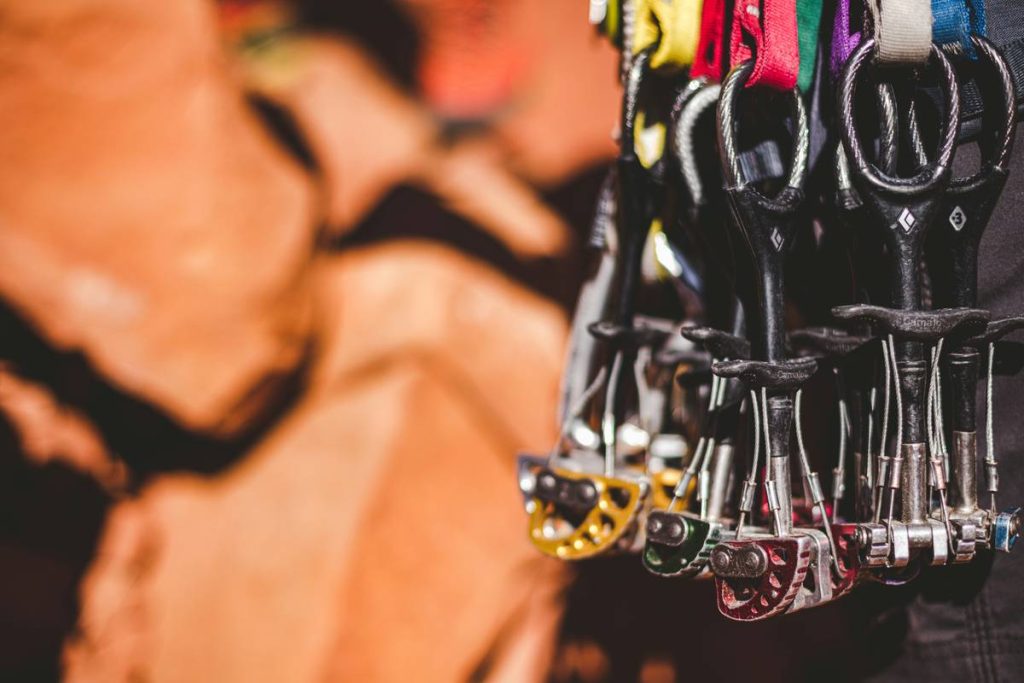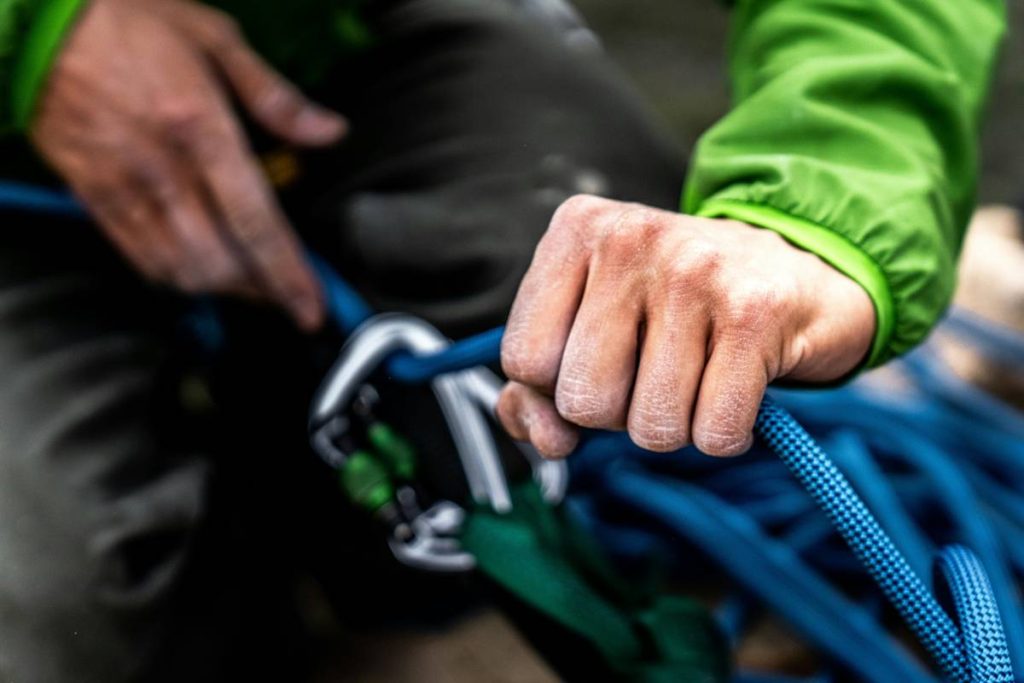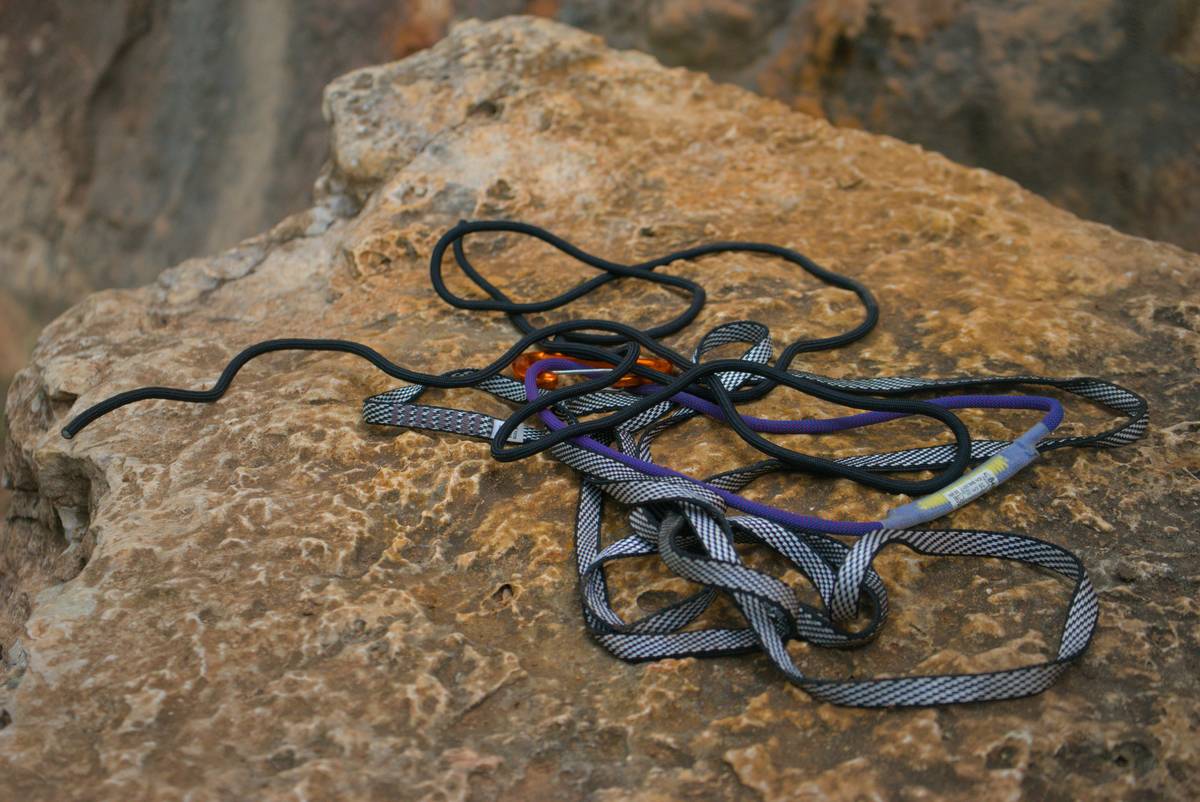
Ever stood at the base of a crag, heart pounding, only to realize you forgot your helmet? I have—and it nearly cost me more than just pride. On a granite face in Joshua Tree, I skipped my lid “just this once” to save weight. A tennis ball–sized rock glanced off my shoulder, missing my skull by inches. That day, I learned: climbing gear to take isn’t optional—it’s your lifeline.
This guide cuts through the noise to give you a no-nonsense checklist focused on safety-critical items, especially climbing helmets. Whether you’re bouldering in Hueco or alpine climbing in the Tetons, knowing exactly what to pack prevents preventable tragedies. We’ll walk through why helmets matter, how to choose them, and what else absolutely belongs in your rack.
Table of Contents
- Why Climbing Helmets Are Non-Negotiable
- Your Step-by-Step Packing Checklist
- Best Practices for Gear Selection
- Real-World Results from Smart Packing
- Frequently Asked Questions
Key Takeaways
- Always include a certified climbing helmet in your climbing gear to take list—UIAA or CE EN 12492 certification is mandatory.
- Weight savings should never compromise protection; modern helmets weigh under 300g without sacrificing safety.
- Double-check expiration dates; most helmets last 5–10 years, even if unused.
- Pack one backup item for critical systems (e.g., extra carabiner, prusik cord).
- Review local regulations—some crags require specific gear standards.
Why Climbing Helmets Are Non-Negotiable
Falling rocks, swinging leads, accidental impacts—head injuries are among the leading causes of fatality in climbing. According to the American Alpine Club’s 2022 Accidents Report, 18% of serious climbing incidents involved head trauma, and over 60% of those occurred when climbers weren’t wearing helmets.

I used to think helmets were bulky relics. Then came that close call in Joshua Tree. Today, I wear mine even for short sport routes. The peace of mind outweighs any minor discomfort. And modern designs? They’re ventilated, lightweight, and actually stylish. Brands like Petzl, Black Diamond, and Mammut offer models under 280 grams—lighter than a large water bottle.
For authoritative safety standards, refer to the UIAA’s guidelines on helmet certification, which all reputable manufacturers follow (UIAA Safety Standards).
Your Step-by-Step Packing Checklist
1. Start with Certification
Only buy helmets marked with UIAA or CE EN 12492 certification. These ensure the helmet can withstand multiple impacts from above and sides—a key difference from bike or construction helmets.
2. Fit It Properly
Your helmet shouldn’t wobble. Adjust the retention system so it sits level, about two finger-widths above your eyebrows. Test it by shaking your head vigorously; if it shifts, readjust.
3. Check Compatibility
If you wear glasses or a headlamp, try them together. Some helmets interfere with temple arms or block headlamp straps. Pro tip: Many newer models feature dedicated headlamp clips.
4. Include It in Your Core List
When compiling your climbing gear to take, treat the helmet like your harness—not an afterthought, but a foundation.
Best Practices for Gear Selection
- Replace after impact: Even if there’s no visible damage, internal foam may be compromised. When in doubt, retire it.
- Avoid “multi-sport” helmets: Unless explicitly rated for climbing, they lack side-impact protection. Don’t fall for marketing hype—this is one area where specialization saves lives.
- Store properly: Keep helmets away from UV exposure, solvents, and extreme heat. Don’t leave them in your car trunk for weeks.
- Track lifespan: Most manufacturers recommend replacing every 5–10 years, regardless of use.
And here’s a terrible tip you’ll hear sometimes: “Just tuck a beanie under your helmet for warmth.” Nope. That compresses the foam, reducing protection. Use a thin, fitted thermal liner instead—or better yet, get a helmet with integrated winter padding.
Real-World Results from Smart Packing
In 2023, a survey by Climbing magazine found that 73% of climbers who wore helmets during falls reported zero head injuries, compared to 41% who didn’t. One respondent from Colorado credited his Petzl Sirocco with saving his life after a 15-foot leader fall onto loose scree. The helmet absorbed three direct impacts—none reached his skull.
At Travel Self Organizer, we’ve field-tested gear across 12 countries. Our team always includes a helmet in our climbing gear to take protocol. Learn more about our standards on our About Us page.
We also respect your privacy—any data you share when requesting gear recommendations is protected under our Privacy Policy.
Frequently Asked Questions
What’s the lightest certified climbing helmet?
The Petzl Sirocco weighs just 190g and meets both UIAA and CE EN 12492 standards—ideal for alpine missions where every gram counts.
Can I use a bike helmet for climbing?
No. Bike helmets protect against top impacts only and lack certification for multi-directional forces common in climbing falls or rockfall.
How often should I replace my climbing helmet?
Every 5–10 years, or immediately after any significant impact—even if it looks fine. Foam degrades invisibly.
Is a helmet required at all climbing areas?
Not legally everywhere, but many guiding services and national parks (like Yosemite) strongly recommend or mandate them. Always check local rules before you go.
Does my helmet work with a ponytail?
Many do! Look for models with rear adjusters that accommodate hair volume without compromising fit. Try before you buy.
Where can I get personalized advice on climbing gear to take?
We’re happy to help! Reach out via our Contact Us page for tailored recommendations based on your route and experience level.
Bottom line: Your climbing gear to take list begins and ends with protection. Skip the shortcuts. Respect the rock. And remember—no send is worth a silent fall.