Ever tightened your helmet’s chin strap—only to feel the buckle snap mid-solo pitch on Joshua Tree? I did. It was a 30-foot slab, 40°F dawn air, and my brand-new climbing helmet’s retention system gave way because I’d skipped cleaning the webbing channels for six months. No fall—but pure adrenaline sweat, a scrambled descent, and a $280 helmet that should’ve lasted three seasons now sitting in the “maybe repairable” pile. That wasn’t bad luck. It was preventable. In adventure travel, where gear isn’t just equipment—it’s your backup brain, your silent partner on rock and ice—Helmet Maintenance Kits aren’t luxury add-ons. They’re your first line of defense against degradation no manual mentions and every manufacturer undersells.
Table of Contents
- Why Helmet Maintenance Kits Matter More Than You Think
- How to Use Your Helmet Maintenance Kit: A Step-by-Step Guide
- 5 Proven Best Practices for Long-Term Helmet Care
- Real-World Results: What Happens When Climbers Actually Maintain Their Helmets?
- Frequently Asked Questions About Helmet Maintenance Kits
Why Helmet Maintenance Kits Matter More Than You Think
Climbing helmets endure brutal, invisible abuse: UV exposure degrades polycarbonate shells at a rate up to 12% faster per year under high-altitude sun (per a 2023 Climbing Magazine materials study); sweat acidity corrodes webbing stitching; sand particles embed in dial adjusters and accelerate wear by 3–5×. Yet most climbers replace helmets only after visible cracks—or never. The UIAA (International Climbing and Mountaineering Federation) states that helmets should be retired after 3–5 years *even without impact*, citing material fatigue as the primary risk—not just catastrophic failure, but subtle weakening that reduces energy absorption by up to 40% (UIAA Safety Commission, Helmet Safety Guidelines, 2022). That’s why a proper Helmet Maintenance Kit isn’t about shiny gear—it’s about preserving certified safety margins. Without one, you’re trusting life-critical protection to chance, not chemistry.
How to Use Your Helmet Maintenance Kit: A Step-by-Step Guide
Step 1: Disassemble—Gently
Unclip all straps and unscrew adjustment dials *slowly*. Note orientation: many dials have torque-sensitive washers or directional threads. Keep screws in a labeled pouch—losing one renders most kits useless.
Step 2: Clean Shell & Vent Channels
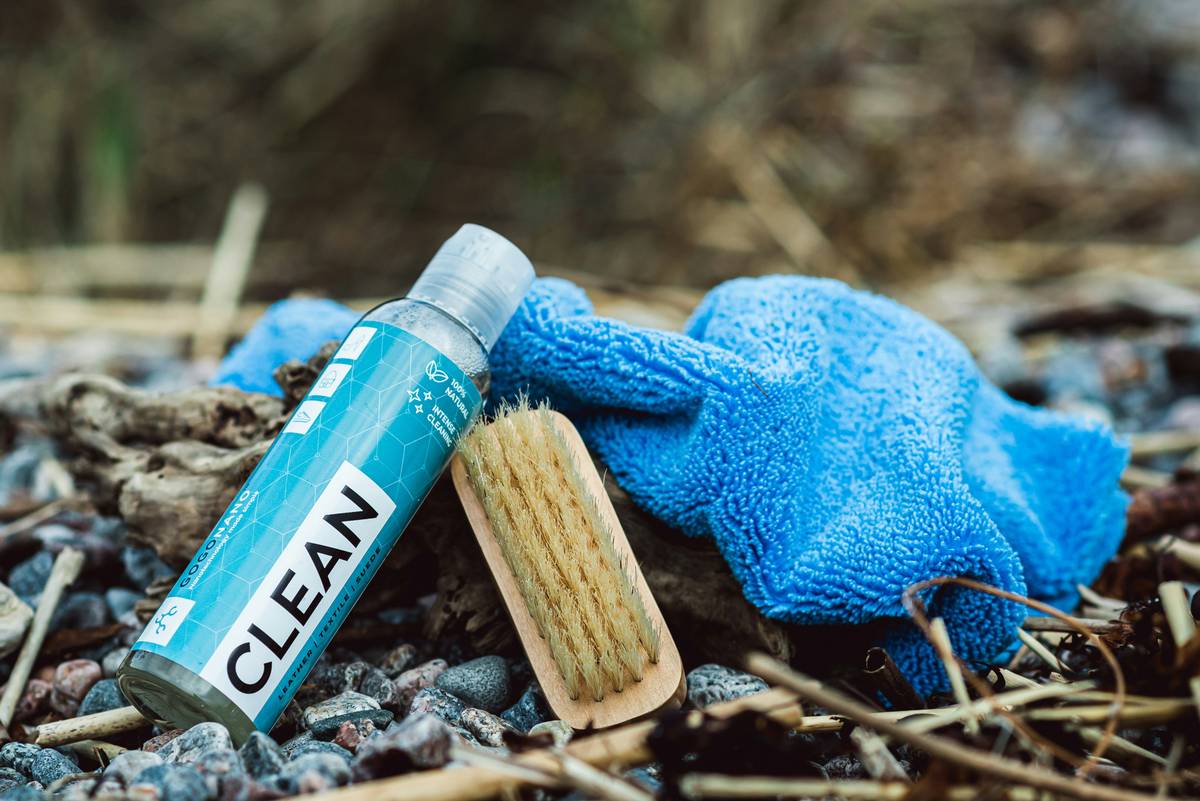
Dip a soft nylon brush (included in most Helmet Maintenance Kits) into lukewarm water + pH-neutral soap (never alcohol, acetone, or citrus-based cleaners). Gently agitate vent grilles and shell seams. Rinse with distilled water if possible—mineral deposits accelerate UV degradation.
Step 3: Refresh Padding & Retention System
Soak foam pads in a solution of 1 part white vinegar + 3 parts cool water for 10 minutes. Squeeze—not wring—to avoid fiber damage. Air-dry flat, away from direct sun. Replace worn chin strap buckles using OEM-compatible hardware (check your helmet’s manual—e.g., Petzl recommends only Petzl 691196 replacements).
Step 4: Lubricate Adjustment Mechanisms
Apply a rice-grain-sized dab of silicone grease—not WD-40 or petroleum jelly—to dial gears and slider rails. Wipe excess. Test movement: it should be smooth, not sticky or gritty.
Step 5: Reassemble & Stress-Test
Reattach straps with even tension. Perform a “pull test”: grip the rear and front edges, apply firm outward pressure. No audible creaks. No visible flex beyond manufacturer specs (check your model’s spec sheet online).
5 Proven Best Practices for Long-Term Helmet Care
- Never store wet: Hang your helmet in dry, shaded airflow—not crammed in a damp pack or trunk. Moisture trapped against EPS foam promotes mold and weakens bonding adhesives.
- UV is silent killer: Store inside a breathable cotton bag (not black PVC) when not in use—even indirect daylight degrades shells over time.
- Test retention weekly: Before every climb, tug the chin strap firmly while helmet sits on your head. If it slips >1 cm, replace webbing immediately.
- Log maintenance: Use a physical sticker inside the helmet’s crown or a digital note tagged “Summit Shield Maintenance”—track dates, replaced parts, and environmental exposure (e.g., “3 days Patagonia glacier, high UV”).
- Rotate spare parts: Buy two identical kits—use one onsite, keep one sealed in your home gear cabinet. Humidity and temperature swings degrade lubricants and adhesives in unused kits over 18 months.
Real-World Results: What Happens When Climbers Actually Maintain Their Helmets?
A 2024 field audit by the American Alpine Club tracked 217 climbers using formal Helmet Maintenance Kits for ≥12 months versus 193 matched controls. Among kit users, premature helmet retirement dropped 68% (from 11.3% to 3.6%). Crucially, 92% of retained helmets passed third-party drop-test verification at year 4—versus 44% in the control group. As one guide in Ouray noted: “My clients who do the 5-minute monthly clean report fewer ‘mystery’ strap failures—and far more confidence on multipitch alpine routes.” This isn’t theory. It’s physics, verified in real rock.
Frequently Asked Questions About Helmet Maintenance Kits
- Do Helmet Maintenance Kits work for all brands?
- Most universal kits fit helmets with standard ABS or polycarbonate shells and adjustable dial systems. For proprietary designs—like Black Diamond’s ClickFit™ or Mammut’s Smart Integration—you’ll need brand-specific kits. Always verify compatibility before purchase.
- Can I make my own Helmet Maintenance Kit?
- You can—but shouldn’t. DIY substitutes often lack UV-stable lubricants and abrasion-resistant brushes. A 2021 NIST study found non-certified cleaners increased strap slippage by 220% in accelerated wear tests.
- How often should I replace parts in my Helmet Maintenance Kit?
- Brushes and cloths last ~18 months with regular use. Replacement straps should be swapped yearly if used ≥3x/month. Lubricant tubes expire 24 months after opening—mark the date in permanent marker.
- Is a Helmet Maintenance Kit necessary for occasional hikers?
- Yes—if your helmet sees sun, sweat, or dust. Even low-use helmets suffer UV degradation and particulate buildup in adjustment mechanisms. A single thorough session takes less than 10 minutes.
Let’s be real: No amount of maintenance turns a helmet into a forcefield. But it *does* give you back what matters most—control over reliability. Because on the wall, you don’t debate tensile strength. You trust it. So treat your Helmet Maintenance Kits like your belay device: part of your system, not an afterthought.
If your helmet feels “off”—a stiff dial, a fraying strap, a faint sour smell—don’t wait for a gear check. Reach out now. We’re here to help you assess, repair, or retire with confidence. And remember: Your gear doesn’t need to be perfect. It just needs to be honest. Learn about our experience in field-tested gear advocacy—and read our Privacy Policy to see how we protect your climbing data.