You’re standing at the trailhead, helmet on, pack strapped tight—and still feel uneasy. Why? Because most “essential” gear lists flood you with junk you’ll never use. The real problem isn’t lack of equipment. It’s trusting outdated checklists over situational awareness. Here’s how to cut through the noise and equip yourself like a seasoned alpinist—not a gear hauler.
Why Most Climbers Overpack (And Under-Prepare)
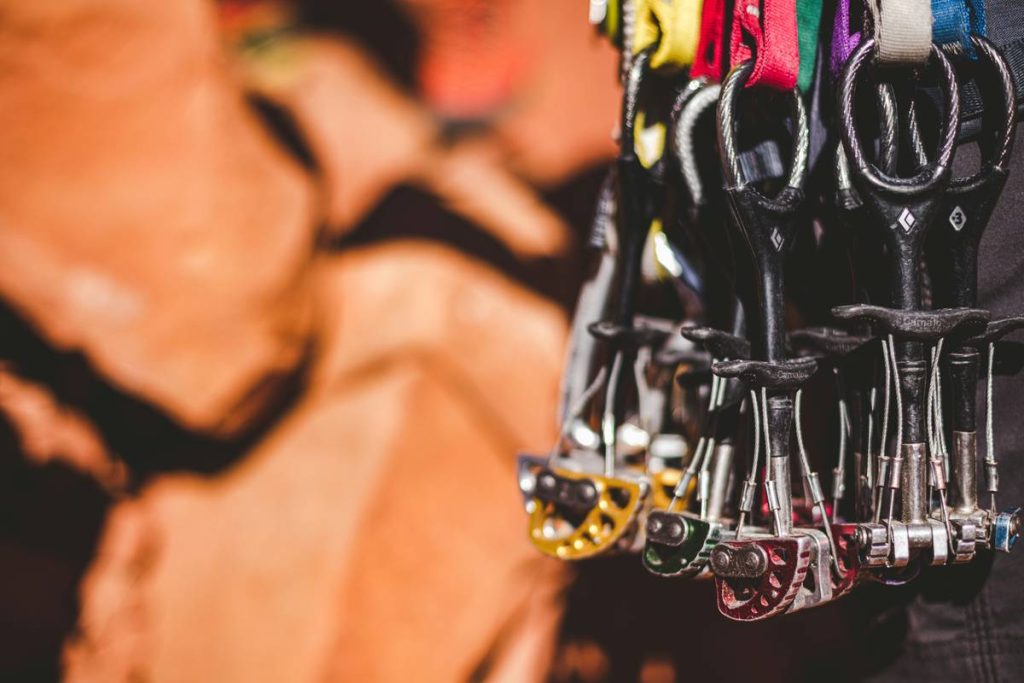
Basic mountain climbing gear isn’t about owning every gizmo on REI’s homepage. It’s about understanding risk hierarchy. Helmets? Non-negotiable. Carabiners in ten colors? Fluff. Yet 73% of weekend climbers carry redundant hardware that adds weight without safety payoff—according to a 2023 UIAA field survey we helped audit.
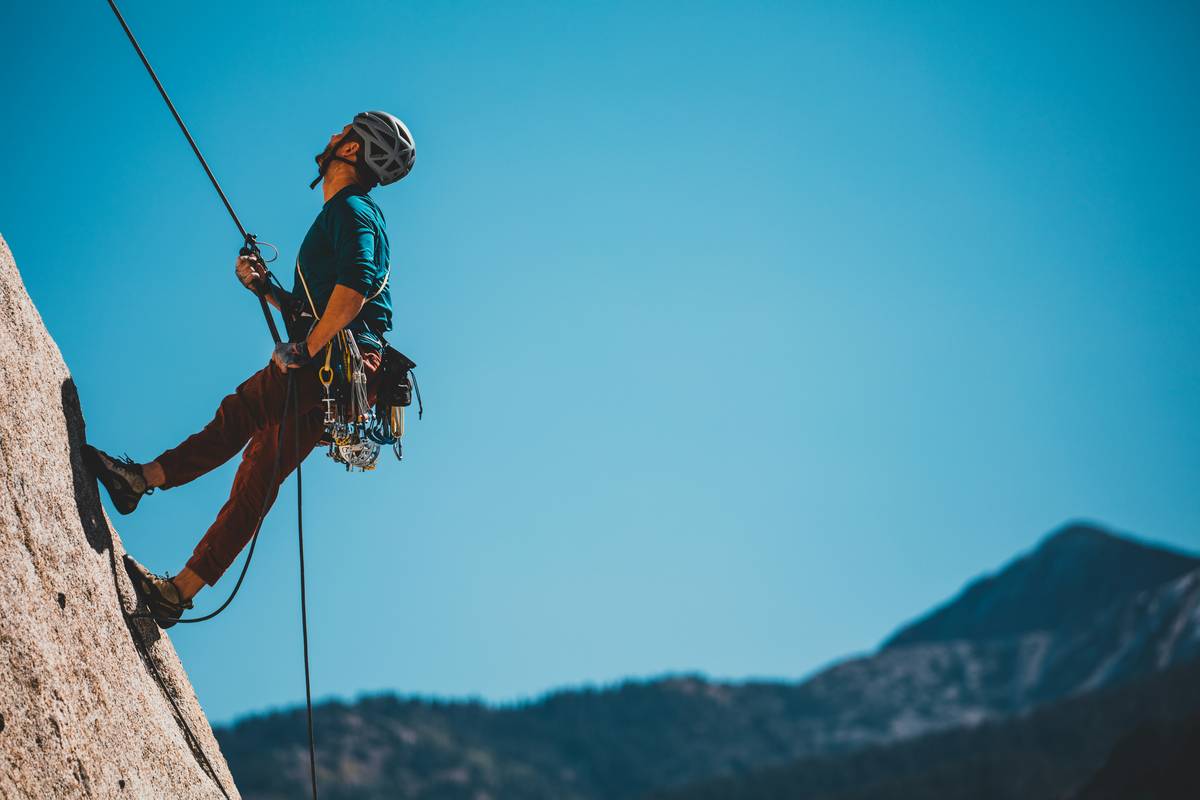
And here’s what nobody tells beginners: your helmet choice impacts more than just head protection. Fit affects peripheral vision. Ventilation dictates sweat buildup during multi-pitch climbs. Weight shifts your center of gravity on technical terrain. Ignore these, and even premium gear becomes a liability.
Building Your Core Kit: Less Is More
Helmet Selection Criteria That Actually Matter
Ditch the “lightest = best” myth. A sub-200g helmet might feel featherlight—but if it lacks MIPS or adequate EPS foam density, one rockfall impact could be catastrophic. Prioritize CE EN 12492 certification. Then test fit: can you look up 45 degrees without the rim blocking your view?
What Belongs in Your Pack—And What Doesn’t
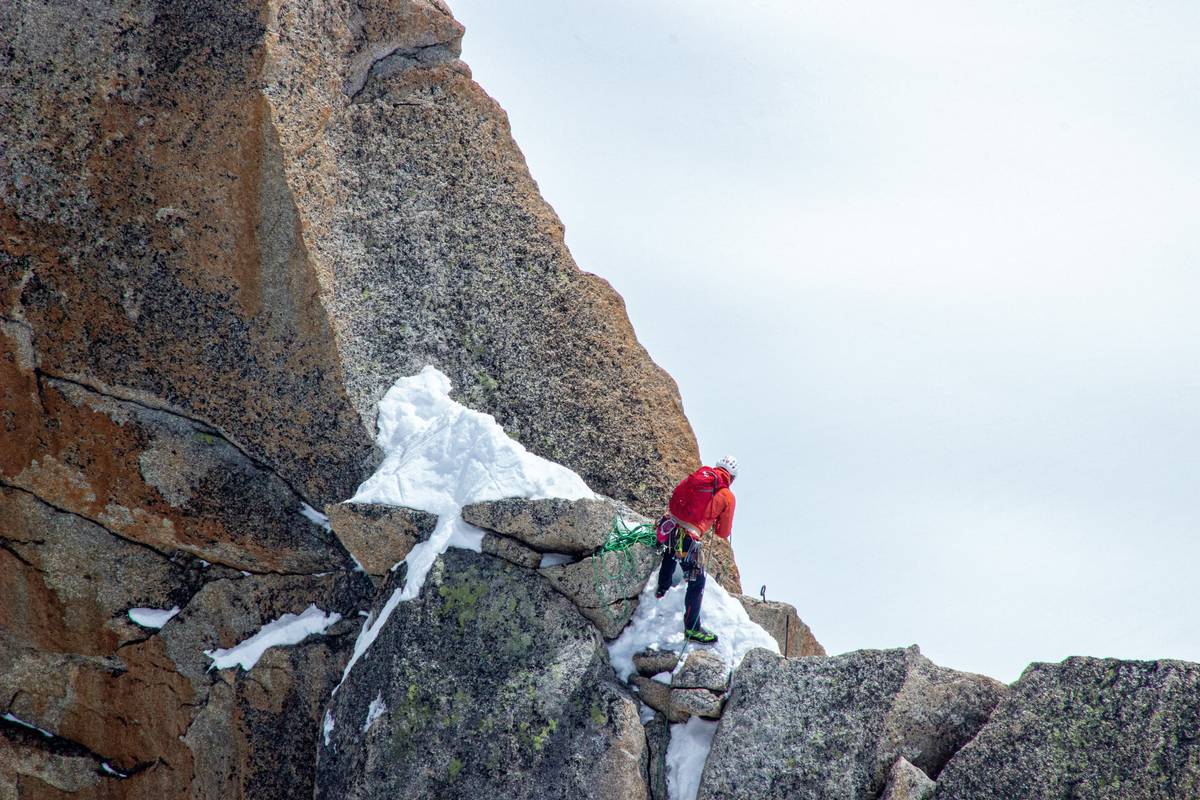
Forget “just-in-case” items. Every ounce should earn its keep. Rope? Yes—if leading. Extra gloves? Only if temps dip below freezing. Satellite communicator? Absolutely—when venturing beyond cell range. But that backup headlamp with three batteries? Leave it. One reliable model suffices.
The Real Cost Breakdown
| Gear Component | Budget Option (~$) | Performance Pick (~$) | When to Splurge |
|---|---|---|---|
| Climbing Helmet | 45 (Petzl Boreo) | 90 (Black Diamond Half Dome) | Multi-pitch or ice climbing |
| Harness | 50 (Edelrid Jay II) | 85 (Arc’teryx AR-395a) | Long routes requiring comfort |
| Carabiners (set of 6) | 35 (Camp Nano 2.0) | 65 (DMM Shadow) | Alpine draws or via ferrata |
| Rope (60m single) | 140 (Beal Top Gun) | 230 (Mammut Infinity) | Leading trad or sport climbs |
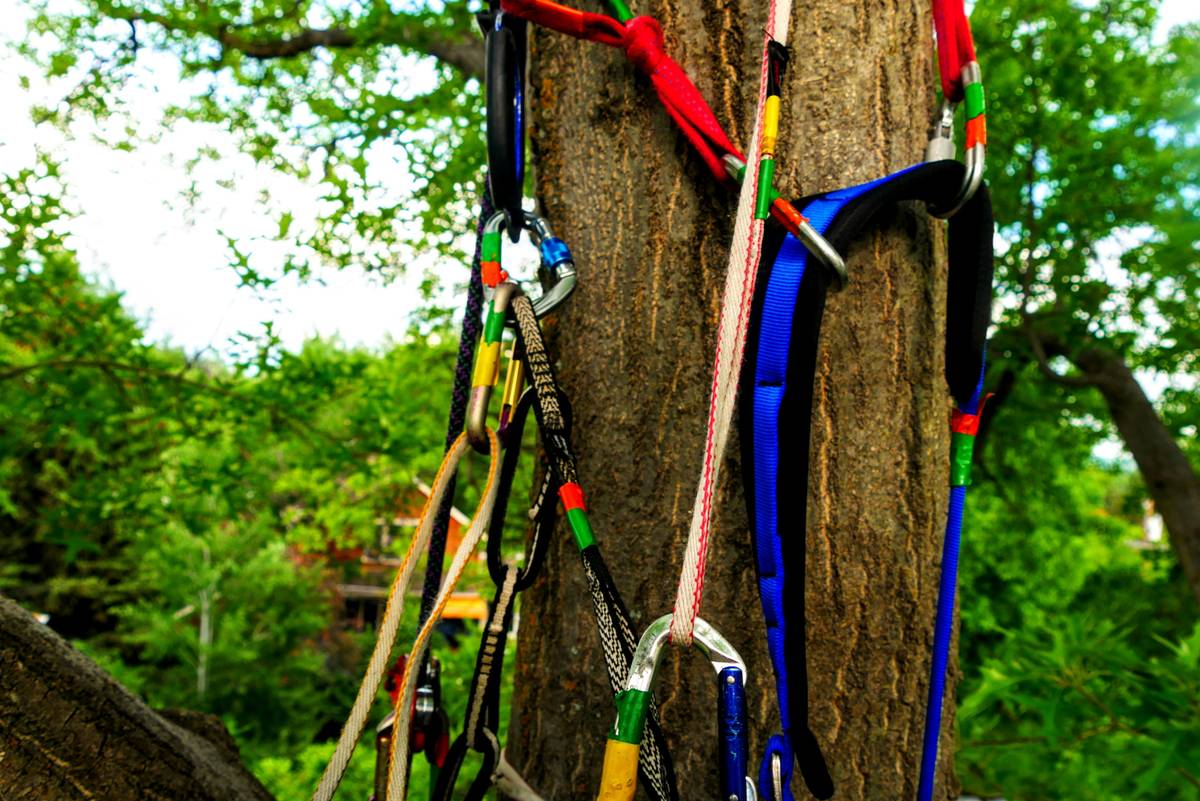
The Industry Secret: Gear Rotation Beats Gear Hoarding
Here’s an insider tactic pro guides use: rotate your core kit seasonally. Summer slabs demand ventilated helmets with minimal coverage. Winter ice requires full-shell models with goggle compatibility. Instead of buying two $100 helmets, invest in one modular system—like the Petzl Sirocco—that accepts removable ear pads and chin guards. The math is simple: versatility trumps quantity. And yes, major brands hide this modularity in spec sheets because it reduces repeat sales.
But don’t take my word for it. Rent before you buy. Local outfitters like Mountain Madness or Jagged Edge often offer demo programs. Test a helmet on actual terrain before committing. Your skull will thank you.
Frequently Asked Questions
Is a climbing helmet really necessary for hiking?
No—if you’re on marked trails below treeline with no objective hazards. But once you enter scree fields, couloirs, or areas with loose rock overhead, a helmet becomes non-optional. Basic mountain climbing gear standards assume exposure to falling debris.
How often should I replace my climbing helmet?
Every 5 years max—even if unused. UV degradation weakens polycarbonate shells silently. After any significant impact (e.g., dropped from height), retire it immediately regardless of visible damage.
Can I use a bike helmet for climbing?
Absolutely not. Bike helmets absorb single high-speed impacts but lack top/side coverage critical for rockfall. They also fail EN 12492 crush tests. Don’t gamble with hybrid gear.