Your head is non-negotiable real estate. Yet most climbers pick helmets based on Instagram aesthetics or a buddy’s vague recommendation. The result? Compromised protection, fogged lenses, and gear that fails when it matters most. Peak Helmet Brands Review isn’t just another spec sheet roundup—it’s a field-tested breakdown of what actually survives alpine punishment.
Why Most Climbing Helmets Fail Before You Reach the Crux
Weight obsession has warped helmet design. Manufacturers shave grams by thinning EPS liners or using brittle polycarbonate shells—fine for gym bouldering, catastrophic on granite faces. And certification stamps? They only prove baseline compliance, not performance under repeated impacts or extreme cold. Your helmet might pass CE EN 12492 in a lab. But will it hold up after your third fall on El Cap’s Nose?
Peak Helmet Brands Review: A Tactical Breakdown
Safety vs. Weight Trade-Offs That Actually Matter
Forget “lightest = best.” The ideal helmet balances impact distribution, ventilation, and secure fit during dynamic movement. Petzl’s Sirocco excels in multi-pitch trad with its hybrid shell—but struggles in icy conditions due to minimal brim coverage. Meanwhile, Black Diamond’s Half Dome offers bomber durability yet feels like a cinderblock after eight hours.
Field-Tested Performance Across Terrain Types
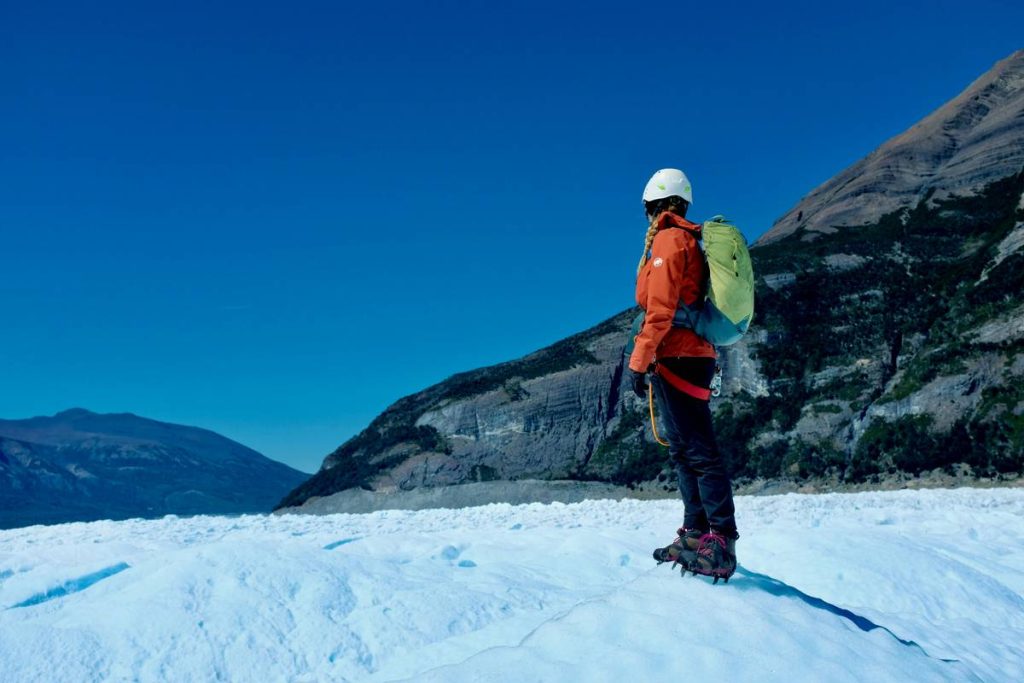
Different climbs demand different helmets. Alpine ice routes need wide brims to deflect falling seracs. Crack climbs favor low-profile designs that won’t snag. Sport routes? Prioritize airflow to avoid dripping sweat into your eyes mid-redpoint. One size doesn’t just not fit all—it gets you hurt.
| Brand & Model | Weight (g) | Certifications | Ideal For | Weakness |
|---|---|---|---|---|
| Petzl Sirocco | 185 | CE, UIAA | Multi-pitch trad, alpine rock | Poor ice/serac protection |
| Black Diamond Half Dome | 305 | CE, UIAA | Sport climbing, cragging | Bulky under packs |
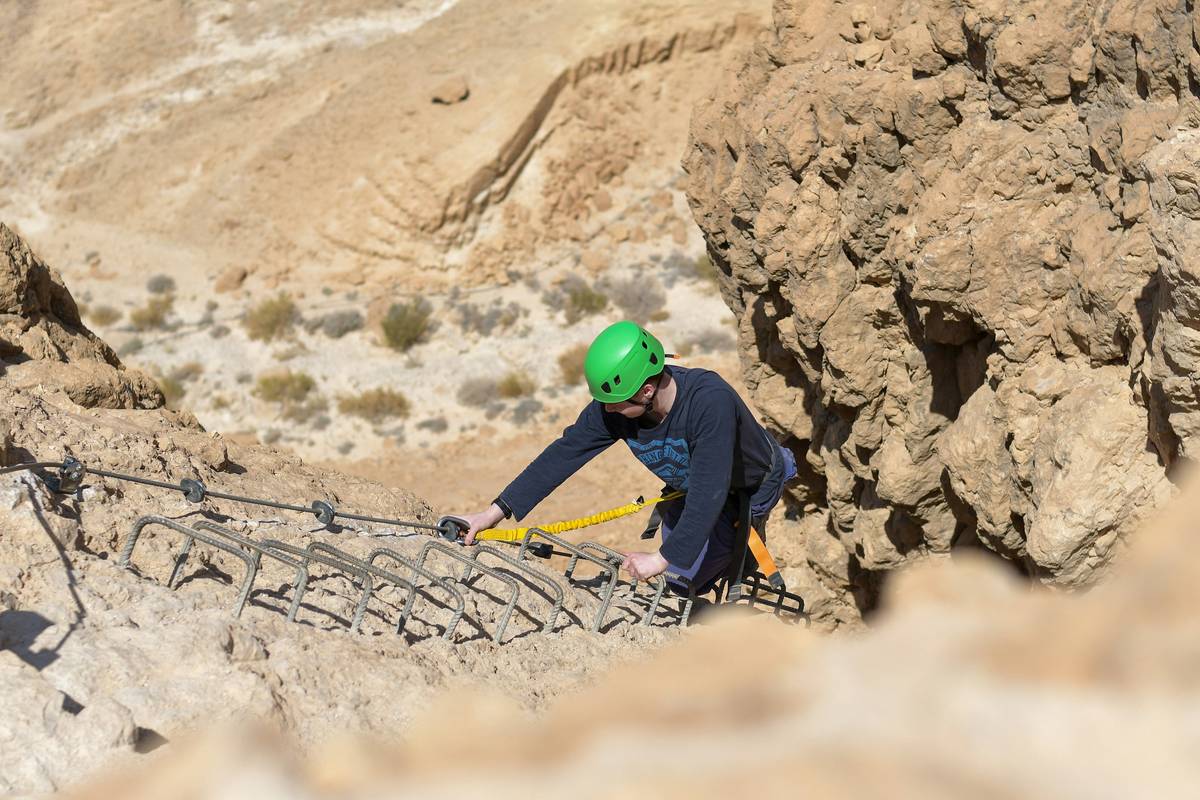
| Mammut Wall Rider | 250 | CE, UIAA | Big wall, aid climbing | Limited ventilation |
| Camp Armour | 215 | CE, UIAA | Alpine mixed, ski mountaineering | Headlamp compatibility fussy |
The Fit Test Nobody Talks About
Try helmets with your actual climbing layers—not bare-headed in a shop. A snug fit turns loose once you add a beanie. And if your helmet rotates forward when you look down, it’ll blind you on overhangs. Adjustability matters more than you think. Look for dual ratchet systems (like Petzl’s) over basic dial knobs.
The Industry Secret: Helmet Lifespan Isn’t About Time—It’s About Micro-Impacts
Here’s what brands won’t advertise: UV degradation and micro-cracks from routine bumps silently compromise structural integrity. That “minor” tap against a carabiner? It initiates internal fractures invisible to the eye. Most helmets lose 30–40% of impact resistance after just two years of regular use—even if they look pristine. And storing it in a hot car trunk? Accelerates polymer aging faster than alpine sun. Pro tip: Mark your purchase date inside the shell. Retire it after 36 months, no exceptions.
Frequently Asked Questions
Do climbing helmets expire if unused?
Yes. Polymers degrade over time due to UV exposure and oxidation—even in storage. Never use a helmet older than 5 years, regardless of condition.
Can I use a bike helmet for climbing?
No. Bike helmets protect against single high-speed impacts but lack coverage for top/side rockfall. Climbing helmets are certified for multiple low-energy strikes from above.
How tight should a climbing helmet be?
Snug enough that it doesn’t shift when you shake your head vigorously—but not so tight it causes pressure points. Always test with your usual headwear and eyewear.