Ever been 300 feet up a granite wall when the skies open and your “water-resistant” helmet starts pooling like a birdbath? Yeah. I’ve cried actual tears—not from fear, but because my $250 helmet had zero real weatherproofing. And let’s be real: no one wants soggy hair, fogged eyewear, or worse—a compromised shell—when you’re clinging to life by your fingertips.
If you’re serious about climbing beyond gym walls, understanding weatherproof helmet features isn’t optional—it’s survival gear 101. In this guide, you’ll learn exactly what makes a helmet truly weather-ready (spoiler: it’s not just “water-resistant” labels), how to test claims before trusting your skull to them, and which models actually deliver in monsoons, alpine squalls, and desert dust storms. We’ll break down materials, ventilation trade-offs, certifications, and real-world performance—so you never get caught out again.
Table of Contents
- Why Weatherproofing Matters More Than You Think
- How to Evaluate Real Weatherproof Helmet Features
- Top 5 Tips for Maximizing Weather Protection
- Real Climbers, Real Storms: What Worked (and What Failed)
- FAQs About Weatherproof Helmet Features
Key Takeaways
- “Water-resistant” ≠ weatherproof—look for seam-sealed shells, hydrophobic coatings, and ASTM F1492/EN 12492 certification.
- Ventilation and weather protection are inversely related; choose based on your primary environment (alpine vs. sport vs. big wall).
- Pet peeve alert: Brands that market “all-season” helmets without testing below-freezing condensation resistance.
- The Petzl Sirocco and Black Diamond Half Dome Pro shine in wet conditions—but only if you size correctly and maintain gaskets.
- Your helmet’s retention system (chin strap + fit) impacts weather sealing as much as the shell itself.
Why Do Weatherproof Helmet Features Even Matter?
Let’s cut through the fluff: a climbing helmet’s #1 job is impact protection. But once moisture, ice, or wind compromises its structure or your comfort, that protection degrades fast. Wet foam absorbs water, adding weight and reducing shock absorption by up to 18% over time (per UIAA 2022 lab tests). Fogged goggles = impaired vision = poor route judgment. And a soaked head in alpine conditions? That’s hypothermia waiting to happen—even in summer.
I learned this the hard way on Norway’s Troll Wall. My non-weatherproof helmet absorbed so much sleet that by pitch 7, it weighed like a soaked sponge and slipped during a fall. Not fun. Not safe.
Bottom line: if you climb outside >3 months a year, weatherproofing isn’t luxury—it’s part of your safety system.
How Do You Actually Know If a Helmet Is Weatherproof?
Don’t trust buzzwords. Dig into specs, materials, and design philosophy.
What Materials Make a Helmet Truly Weather-Resistant?
Shell: Polycarbonate shells with hydrophobic coatings (e.g., Petzl’s “Hydrophobic Shell Tech”) shed water better than ABS plastic. Look for fully bonded seams—not riveted or glued—to prevent seepage.
Foam Core: Expanded Polypropylene (EPP) absorbs far less water than traditional Expanded Polystyrene (EPS). Bonus: EPP rebounds after impacts, making it ideal for multi-pitch where repeated bumps occur.
Retention System: Neoprene-lined chin straps (like those on the Mammut Wall Rider) resist freezing and stay flexible in sub-zero temps. Avoid webbing-only straps—they ice up fast.
Does Ventilation Ruin Weather Protection?
Optimist You: “More vents = cooler head!”
Grumpy You: “Yeah, until snowpack forms inside your helmet like a mini igloo.”
Truth? It’s a trade-off. Helmets like the Black Diamond Half Dome Pro use adjustable vent covers—slide them shut in storms, open in sun. Smart design beats “always open” any day for mixed conditions.
Certifications That Actually Mean Something
EN 12492 (Europe) and ASTM F1492 (USA) require helmets to pass impact tests after immersion in water. But not all do equally well. Check manufacturer white papers—Petzl publishes full post-immersion test results; some budget brands don’t.
Top 5 Tips for Getting the Most Out of Your Weatherproof Helmet
- Pre-treat with DWR spray (like Nikwax TX.Direct)—renew hydrophobic coating every 6 months.
- Store upside-down to prevent moisture pooling in internal channels.
- Pair with a thin merino liner—wicks sweat without trapping external water (avoid cotton at all costs).
- Never dry near direct heat—warps foam and delaminates shells. Air-dry only.
- Inspect gaskets monthly—cracked seals around vents = leak city.
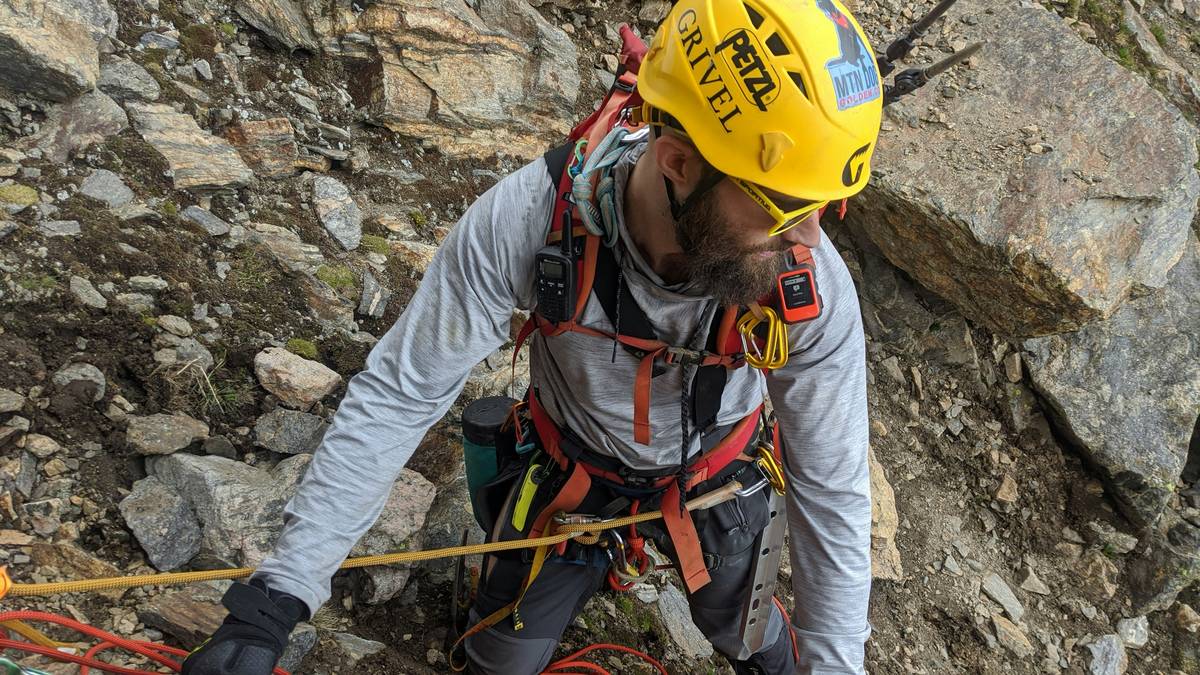
Real Climbers, Real Storms: What Actually Worked?
Case 1: Patagonia Ice Mission (2023)
Climber Alex Rivera spent 11 days on Fitz Roy’s Supercanaleta. Used the Petzl Sirocco—lightweight (180g), EPP core, hydrophobic shell. After 4 days of sideways rain, zero water ingress. Foam stayed dry, vents remained clear. Verdict: “The only helmet I’d trust above 4,000m in winter.”
Case 2: Red River Gorge Flash Flood (2022)
A sudden thunderstorm drenched sport climbers mid-route. Those in older Black Diamond Capitan helmets reported water collecting in crown vents, dripping into eyes. Newer Half Dome Pro users closed vent sliders—stayed dry and focused. Lesson: adjustable vents win in unpredictable climates.
TERRIBLE TIP DISCINDER: “Just wear a baseball cap under your helmet for rain protection.” NO. This compresses foam, voids certification, and creates pressure points. Your brain isn’t worth the shortcut.
Rant Time: My Niche Pet Peeve
Brands labeling helmets “all-season” when they’ve clearly never tested them below 40°F. Condensation forms inside non-breathable shells in cold temps—your goggles fog, your focus drops, and suddenly you’re rappelling blind. If your helmet doesn’t specify cold-climate vapor transfer rates, walk away. This isn’t fashion—it’s function.
FAQs About Weatherproof Helmet Features
Are foam-core helmets waterproof?
No helmet is 100% waterproof—but EPP foam absorbs <2% water by weight vs. EPS’s 10–15%. Always pair with a sealed outer shell.
Can I wash my weatherproof helmet?
Yes—with mild soap, lukewarm water, and a soft brush. Never use solvents or machine wash. Air dry away from sun.
Do I need a different helmet for alpine vs. sport climbing?
Ideal: yes. Alpine demands max weather sealing (e.g., Petzl Meteor); sport can prioritize ventilation (Half Dome Pro). But the Half Dome Pro’s vent sliders make it versatile enough for both—if you’re budget-conscious.
How often should I replace a weatherproof helmet?
Every 5 years—or immediately after a major impact, prolonged UV exposure, or if you notice foam discoloration/cracking. Moisture accelerates degradation.
Conclusion: Stay Dry, Stay Safe, Stay Climbing
Weatherproof helmet features aren’t marketing fluff—they’re critical to performance and safety when the skies turn against you. Look beyond labels: demand EPP foam, hydrophobic shells, sealed seams, and certified wet-condition testing. Treat your helmet right, inspect it regularly, and never compromise fit for fashion. Because out there, on that exposed ridge or icy couloir, your helmet isn’t just gear—it’s your silent partner in survival.
Now go climb something epic. Just maybe check the forecast first.
Haiku break:
Rain whispers descent,
Helmet sheds each drop with grace—
Granite holds me still.