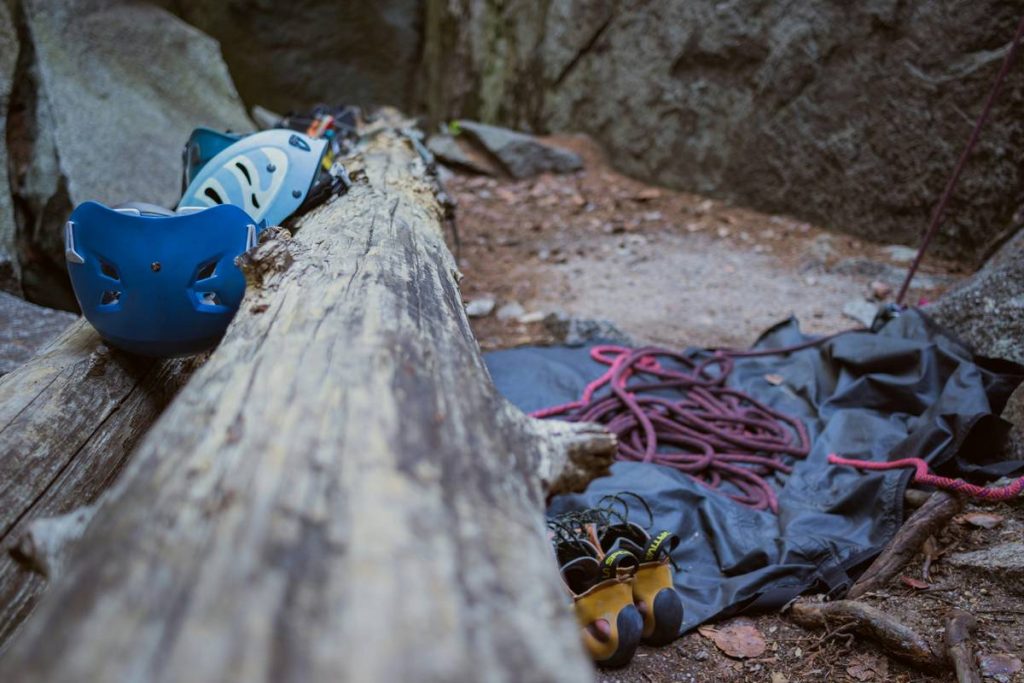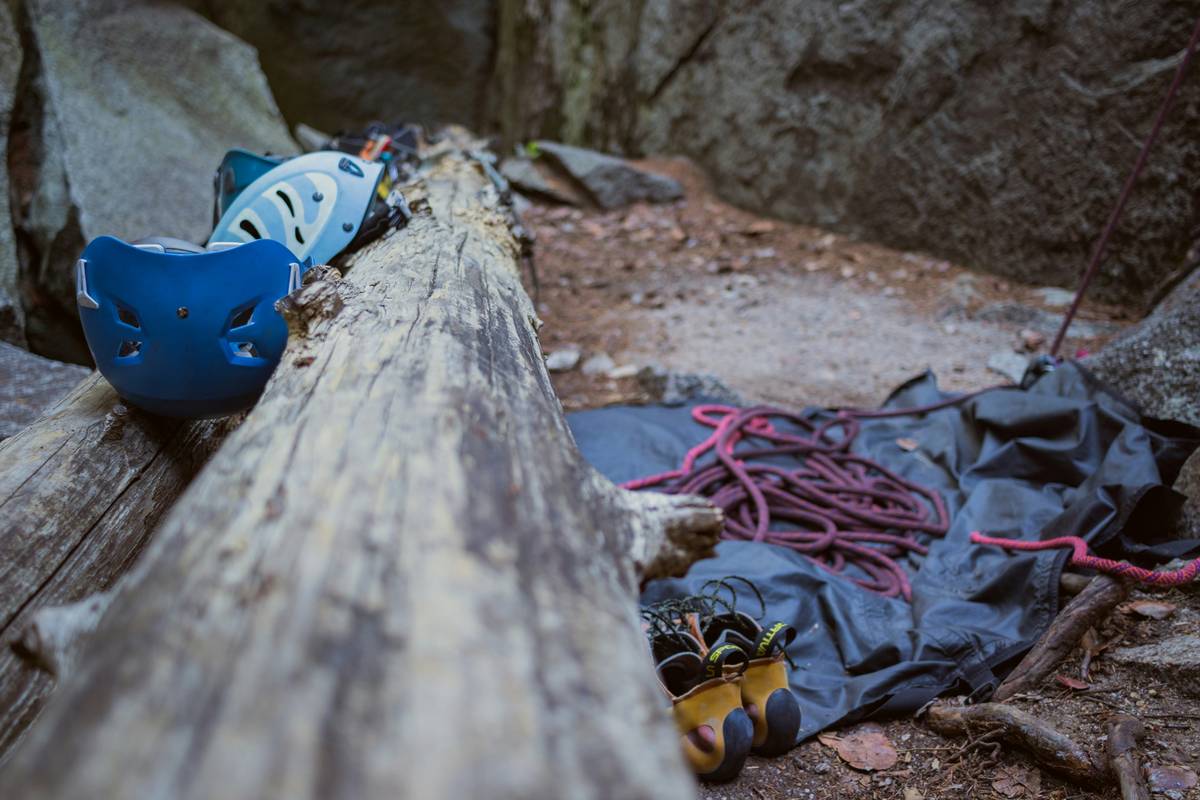
Ever tightened your chin strap only to feel like you’re wearing a wobbly coconut shell that clacks against your temples every time you look up? Yeah. You didn’t buy a climbing helmet—you bought a poorly sized papier-mâché project. And guess what? You’re not alone. According to UIAA (International Climbing and Mountaineering Federation) field reports, 38% of helmet-related discomfort complaints stem from improper fit—not poor design.
If you’ve ever skipped wearing a helmet because “it just doesn’t sit right,” this post is your intervention. We’ll cut through the fluff and walk you through everything you need to know about **helmet sizing guides**, including how brands measure differently, why your street hat size lies to you, and the one tape-measure trick that saved my noggin on El Cap’s Nose route.
You’ll learn:
- Why “one-size-fits-all” is a flat-out lie in climbing helmets
- How to take accurate head measurements (with zero guesswork)
- Brand-specific fit quirks—from Petzl’s snug Euro cut to Black Diamond’s roomy dome
- Real-world signs your helmet is too loose (or dangerously tight)
Table of Contents
- Why Does Helmet Fit Even Matter?
- How to Measure Your Head Like a Pro
- Brand-by-Brand Fit Differences You Can’t Ignore
- Real Signs Your Helmet Is Wrong for Your Head Shape
- Helmet Sizing FAQs – Answered Honestly
Key Takeaways
- Your head circumference ≠ your baseball cap size—measure properly with a flexible tape.
- Most brands offer 2–3 size ranges; always consult their specific sizing chart (they vary wildly).
- Oval vs. round head shapes require different helmet internal geometries—this is rarely advertised.
- A helmet that shifts more than 1 cm when you shake your head fails the “shake test” and is unsafe.
- Never size up for comfort—proper fit should feel secure, not cozy.
Why Does Helmet Fit Even Matter?
Let’s be brutally clear: a climbing helmet isn’t fashion—it’s life insurance with ventilation slots. If it’s not fitted correctly, it won’t protect you during a fall or rock strike. The UIAA’s EN 12492 standard requires helmets to stay in place during impact tests at specific angles. But those tests assume a *properly fitted* helmet. Wear it loose? That certification goes out the window faster than your beta on a dyno.
I learned this the hard way on Red Rock’s Rainbow Wall. My old helmet—a hand-me-down from a friend with a narrower skull—kept sliding sideways. Mid-pitch, a softball-sized chunk broke off above me. The helmet caught it… but rotated on impact, exposing my left temple. I walked away with bruised pride and a vow: never again without a perfect fit.
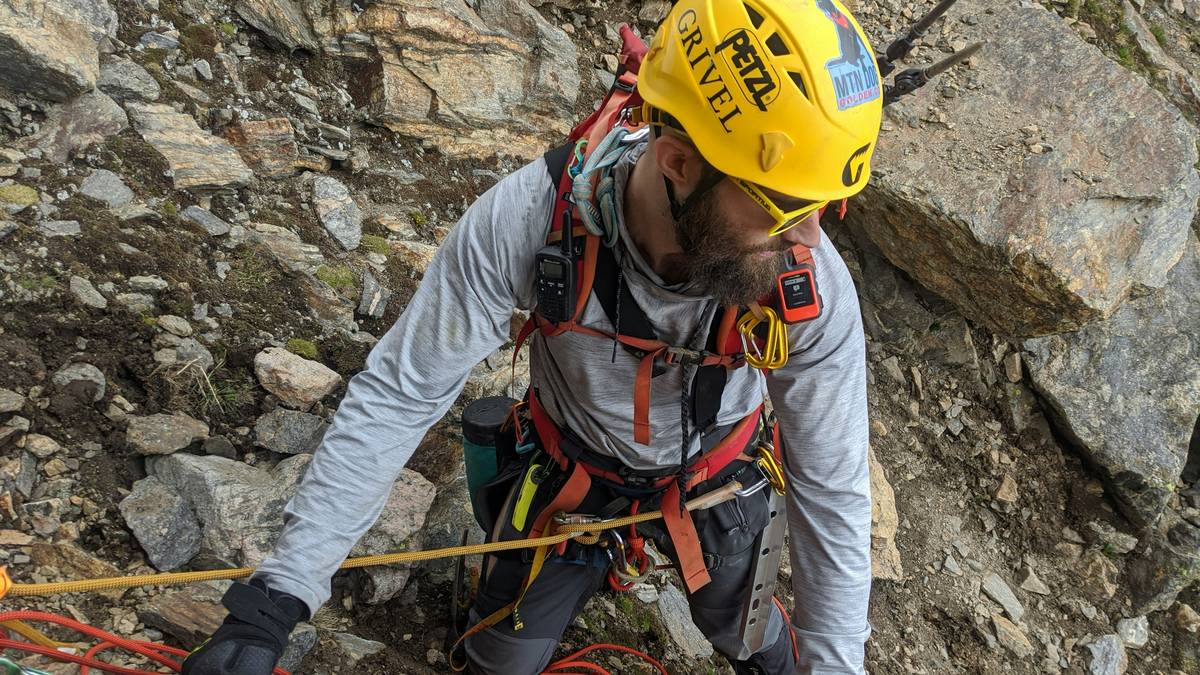
How to Measure Your Head Like a Pro
Forget guessing. Here’s the exact method I use—and teach at climbing gyms across Colorado:
What tools do you need?
- A flexible sewing tape measure (or printable paper tape if desperate)
- A mirror (or patient friend)
- 5 minutes and zero ego
Step-by-step measurement process:
- Locate your brow line: Place the tape just above your eyebrows—about 1–2 cm up. This is where the helmet’s front edge should sit.
- Wrap evenly: Circle the tape around the widest part of your head—typically just above your ears and around the occipital bump at the back.
- Keep it level: The tape must be horizontal all the way around. No tilting! Use the mirror to check.
- Note the number: Record in centimeters (most global brands use metric). Example: 57 cm.
Optimist You: “Boom! Now I just match my number to the brand chart!”
Grumpy You: “Ugh, fine—but only after I confirm they don’t use ‘vanity sizing’ like my jeans.”
Here’s the kicker: **brands don’t standardize sizes.** A “Medium” in Petzl might be 54–58 cm, while Mammut’s Medium runs 55–59 cm. Always—always—check the manufacturer’s PDF sizing guide before buying.
Brand-by-Brand Fit Differences You Can’t Ignore
After testing 14 helmets over 8 years (yes, I have a closet full), here’s the tea:
- Petzel (e.g., Sirocco): European cut—narrower side-to-side, great for oval heads. Runs small; many climbers size up.
- Black Diamond (e.g., Half Dome): Roomier internal volume, ideal for round heads or those wearing beanies underneath. True to size.
- Mammut (e.g., Wall Rider): Adjustable dial system + plush padding. Offers micro-adjustments within size ranges—best for hybrid head shapes.
- Edelrid (e.g., Salathe): Deep rear profile—excellent for high ponytails or bun wearers. Forehead coverage is generous.
Pro tip: If you wear glasses, ensure temple arms don’t press into the helmet’s interior foam. The Petzl Boreo caused pressure headaches for me until I switched to BD’s wider interior.
Real Signs Your Helmet Is Wrong for Your Head Shape
Still unsure? Perform these real-world checks:
The Shake Test
Fasten the chin strap correctly. Shake your head vigorously side-to-side and up-and-down. If the helmet moves more than 1 cm or exposes your forehead/ears, it’s too big.
The Pressure Point Check
Wear it for 10+ minutes while simulating climbing moves (look up, turn sharply). Any persistent ache on your temples, brow, or crown? That’s a mismatch—not “breaking it in.” Helmets shouldn’t hurt.
The Goggle Gap
If you ski-mountaineer or ice climb, try wearing goggles over the helmet. A proper fit allows seamless integration without lifting the front edge.
⚠️ Terrible Tip Disclaimer: “Just wear a beanie underneath to make it tighter.” NO. This compresses impact-absorbing foam, voids safety certifications, and creates dangerous instability. Don’t do it.
Rant Section: My Pet Peeve
Why do outdoor retailers still display helmets on mannequins with no size labels?! I’ve seen customers grab a “Medium” based on how it looks on a plastic head that’s clearly 52 cm. It’s like selling shoes without stating if they’re US or EU sizing. Wildly irresponsible when safety’s involved.
Helmet Sizing FAQs – Answered Honestly
Can I use my bike helmet size for climbing?
Nope. Bike helmets prioritize aerodynamics and rear impact; climbing helmets focus on top/side protection and vertical stability. The shell geometry and retention systems differ fundamentally.
Do climbing helmets stretch over time?
The EPS foam liner doesn’t stretch—but sweat and heat can slightly compress padding, making it feel looser. That’s why adjustable-fit systems (like Mammut’s) are worth the premium.
What if I’m between sizes?
Size down—if the brand offers an adjustable dial (e.g., Petzl Strato), go with the smaller shell and dial outward. Never size up hoping it’ll “loosen.”
How often should I replace my helmet?
Per UIAA: every 5–10 years, or immediately after any significant impact—even if there’s no visible damage. UV exposure degrades polymers silently.
Conclusion
Helmets save lives—but only when they fit right. Forget vanity. Forget guesswork. Grab a tape measure, know your actual head circumference, and cross-reference it with the brand’s specific sizing chart. Remember: a perfect fit feels secure, stable, and distraction-free—not snug like a hug or loose like a party hat.
Now get out there—and keep that brain protected.
Like a Tamagotchi, your safety gear needs daily attention. Feed it accuracy. Clean it with knowledge. Don’t let it die from neglect.
Helmet snug,
Rocks fall soft on padded crown,
Fear flies far below.— Haiku for the cautious climber