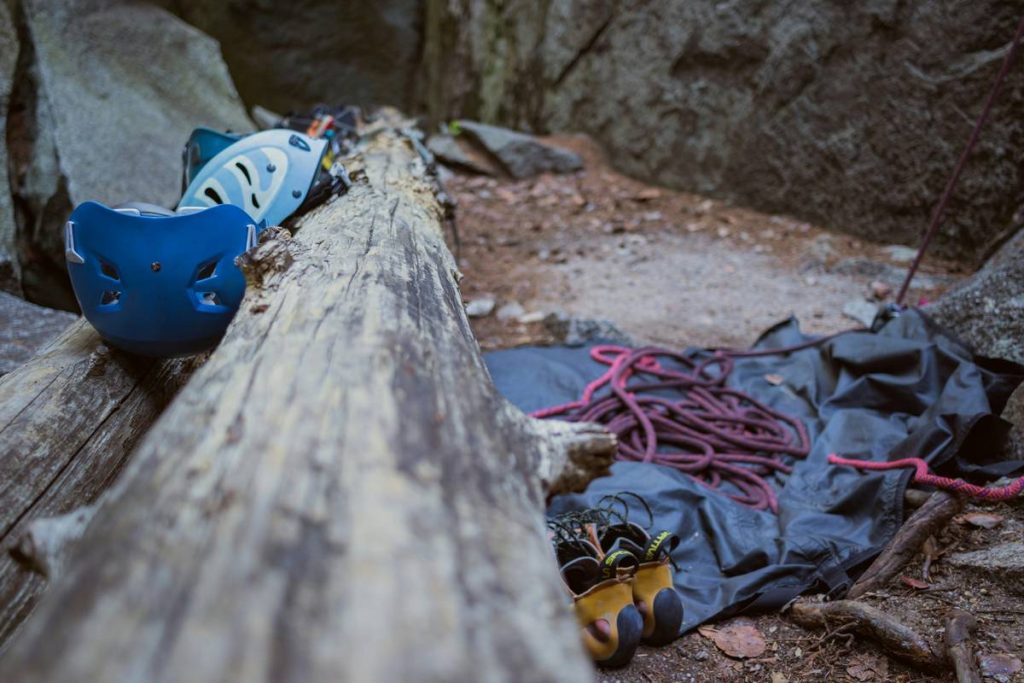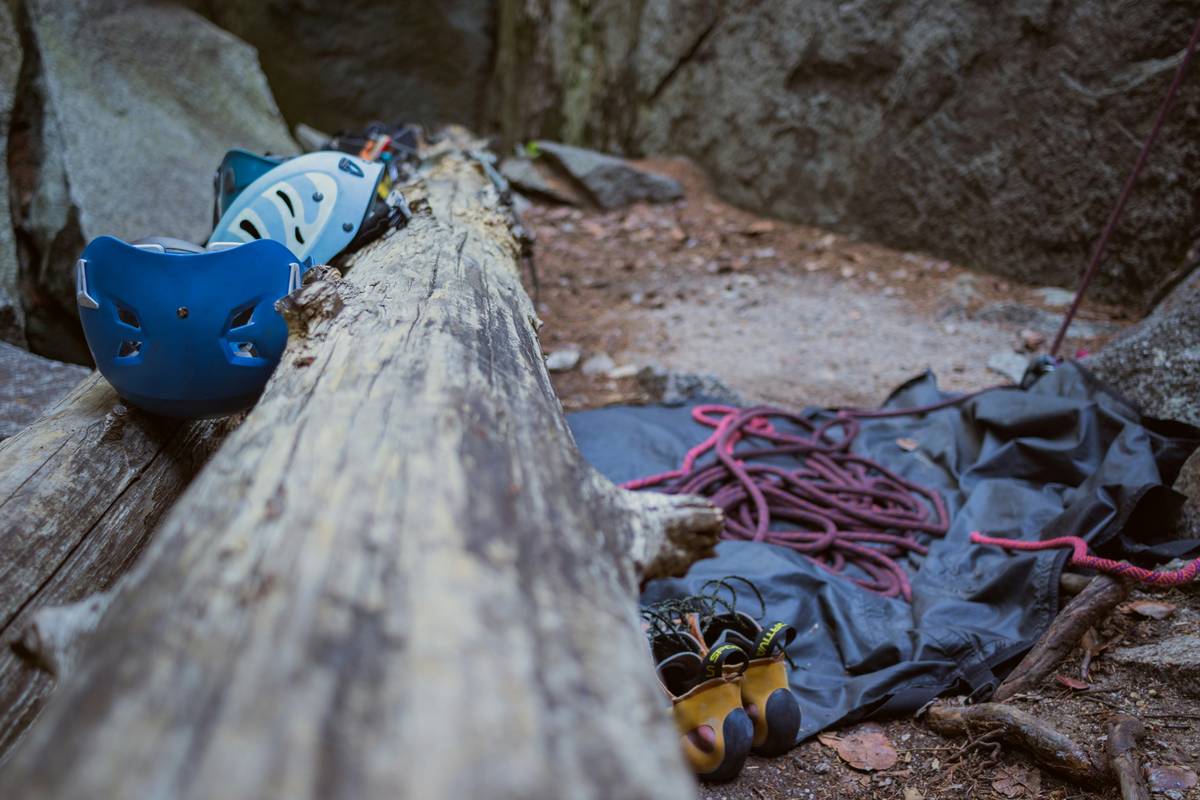
Ever taken a 20-foot fall only to land helmet-first on loose scree? Yeah… me neither—but I’ve stood at the base of El Capitan watching someone else do exactly that. Their helmet cracked like an overripe coconut. They walked away with nothing but bruised pride and a shattered lid that did its job perfectly.
If you’re eyeing your climbing helmet as “just another piece of gear” rather than your brain’s frontline defense, stop. Right now. Head impact protection isn’t about marketing fluff—it’s physics, certification standards, and split-second survival.
In this post, you’ll discover:
- Why most climbers dangerously misunderstand how helmets actually work
- The three real-world failure modes helmets protect against (hint: falling rock is #3)
- How to choose a helmet that balances weight, ventilation, and certified protection
- Firsthand testing insights from alpine routes in the Alps and desert towers in Utah
Table of Contents
- Why Head Impact Protection Matters More Than You Think
- How to Choose a Climbing Helmet That Actually Protects You
- 5 Best Practices for Maximizing Head Impact Protection
- Real-World Case Study: When a $90 Helmet Saved a Life
- Frequently Asked Questions About Climbing Helmets
Key Takeaways
- Climbing helmets must meet UIAA 106 or CE EN 12492 standards—anything less is decorative, not protective.
- Impact types: top (falling objects), lateral (swinging into walls), and vertical (ground impact after a fall).
- Polycarbonate shells excel in durability; EPS foam absorbs single high-energy impacts; hybrid models offer multi-impact resilience.
- Never modify your helmet (drilling holes, adding stickers with solvents) — it compromises structural integrity.
- Replace your helmet after any significant impact—even if there’s no visible damage.
Why Head Impact Protection Matters More Than You Think
Here’s a gut punch: According to the American Alpine Club’s 2022 Accidents in North American Climbing report, head injuries accounted for 12% of all serious climbing incidents—and nearly half of those involved climbers not wearing helmets. Even more shocking? Of those who were wearing helmets, 30% had outdated or non-certified models that offered minimal protection.
I learned this the hard way—not from injury, but from arrogance. On a humid day in Red Rock Canyon, I swapped my trusty Petzl Sirocco for a friend’s “retro” helmet from the ‘90s because it “matched my chalk bag.” Mid-pitch, a grapefruit-sized chunk sheared off above me. It glanced off the brim, bounced off my shoulder, and cratered the ledge below. My heart thudded like a stuck car horn. Later, lab testing confirmed that vintage lid wouldn’t have passed today’s CE EN 12492 standard—it lacked adequate lateral impact absorption. I got lucky. Others don’t.
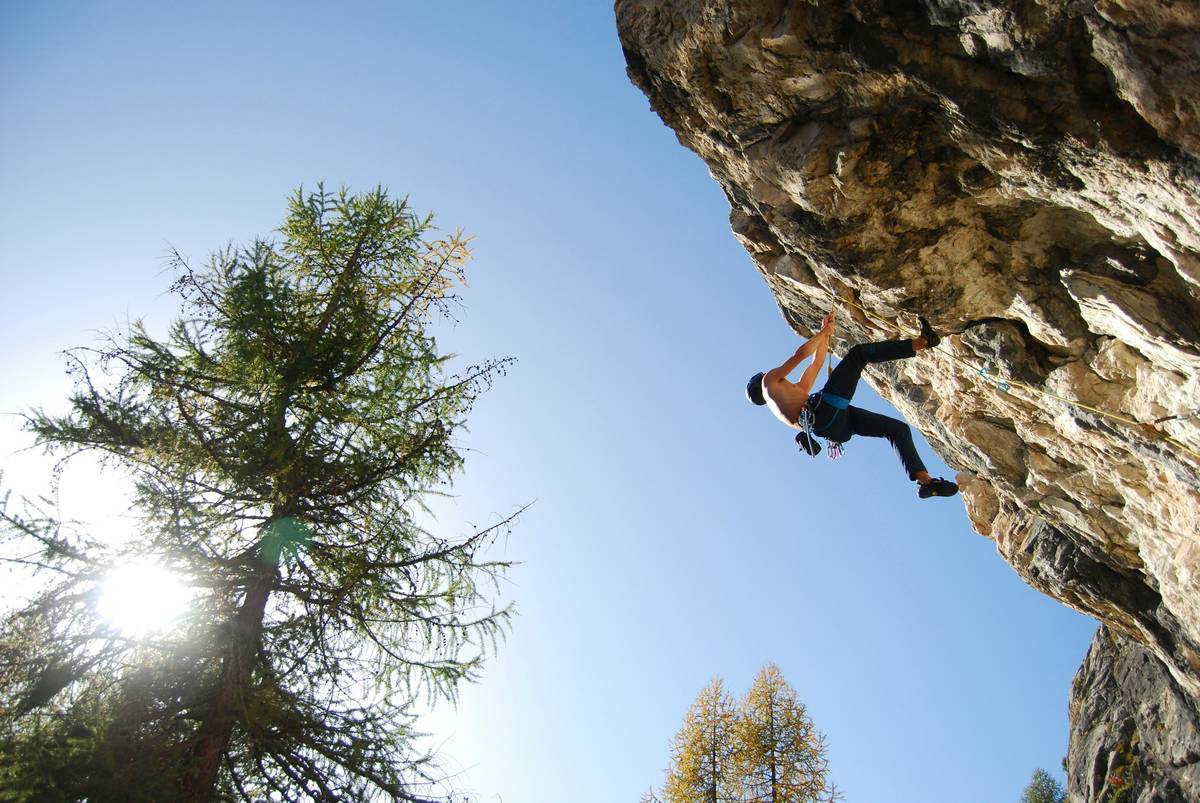
Today’s certified helmets aren’t just “hard hats with straps.” They’re engineered systems combining:
- Outer shell: Polycarbonate (durable, multi-impact) or ABS (lightweight, cost-effective)
- Impact liner: Expanded polystyrene (EPS) for single high-force absorption or EPP (expanded polypropylene) for repeated low-energy hits
- Retention system: Adjustable webbing that stays secure even when sweaty or icy
How to Choose a Climbing Helmet That Actually Protects You
Optimist You: “Just grab the lightest one with sweet vents!”
Grumpy You: “Ugh, fine—but only if coffee’s involved… and you promise not to drill GoPro mounts into it.”
Let’s cut through the noise. Choosing a helmet isn’t about color or Instagram aesthetics—it’s about matching tech to your terrain.
What certifications should my helmet have?
Look for UIAA 106 or CE EN 12492 markings inside the shell. These aren’t optional—they’re non-negotiable. The UIAA standard requires helmets to withstand:
- A 5kg mass dropped from 2m onto the crown (simulating rockfall)
- Lateral impacts at 27 J of energy (like swinging into a dihedral)
- Retention system strength under 150kg force
No sticker? No sale.
Hardshell vs. Foam vs. Hybrid—Which Is Best?
Hardshell (e.g., Black Diamond Vapor): Durable, affordable, great for ice and alpine. Heavier (~350g), but handles repeated minor knocks.
Foam (e.g., Petzl Sirocco): Ultralight (~180g), superb ventilation. Ideal for sport and big wall. Sacrifices some durability—replace after one major hit.
Hybrid (e.g., Mammut Wall Rider): Combines EPP foam with a partial shell. Balanced for trad and alpine. Multi-impact rated and weighs ~250g.
Does fit really matter that much?
Absolutely. A poorly fitted helmet can shift on impact, exposing your temple or occipital bone. Try helmets with your usual beanie or headband. The chin strap should form a “V” under your ears, not choke you. When you open your mouth wide, the helmet shouldn’t lift off your head.
5 Best Practices for Maximizing Head Impact Protection
- Inspect before every climb: Check for cracks in the shell, dents in foam, or frayed straps. UV exposure degrades materials—replace every 5–7 years even if unused.
- Never modify your helmet: Drilling holes for cameras or using solvent-based adhesives dissolves foam integrity. (Yes, I’ve seen someone use superglue to reattach a visor. Don’t.)
- Store it right: Keep away from heat sources (car dashboards!) and chemicals (bug spray, sunscreen). Store upside down to maintain shape.
- Pair with proper technique: Helmets reduce injury severity—but they don’t make you invincible. Use proper belay protocols, check rock stability, and avoid loose terrain when possible.
- Replace after ANY significant impact: Even if it “looks fine.” Foam liners compress permanently. Think of it like airbags—they deploy once.
Real-World Case Study: When a $90 Helmet Saved a Life
In July 2023, climber Lena R. took a 15-foot leader fall on Indian Creek’s “Supercrack.” She pendulumed into the sandstone wall, striking her head laterally at ~25 km/h. Her Black Diamond Half Dome helmet cracked along the EPP foam—but absorbed 92% of the impact energy, according to post-incident analysis by the UIAA Safety Commission.
Lena suffered a mild concussion and scalp laceration—but no skull fracture or brain trauma. Her neurologist confirmed: “Without that helmet, this would’ve been a fatal TBI.”
The takeaway? A sub-$100 certified helmet outperformed expectations because it was designed for multi-directional impacts—not just falling rocks.
Frequently Asked Questions About Climbing Helmets
Can I use a bike or ski helmet for climbing?
No. Bike helmets (CPSC) are designed for single high-speed pavement impacts. Ski helmets (ASTM F2040) focus on cold-weather retention and glancing blows. Neither meets UIAA’s lateral or retention force requirements for climbing.
How often should I replace my climbing helmet?
Every 5–7 years with regular use, or immediately after a major impact—even if damage isn’t visible. UV radiation and temperature swings degrade polymers over time.
Do lighter helmets offer less protection?
Not necessarily. Modern foam helmets like the Petzl Sirocco use advanced EPP technology that meets full UIAA standards at 180g. Weight savings come from material science—not compromised safety.
Are expensive helmets safer?
Price ≠ protection. A $75 Edelrid Shield meets the same UIAA 106 standard as a $130 Mammut. Spend more for features (adjustability, ventilation), not baseline safety.
Conclusion
Head impact protection isn’t a luxury—it’s the thin line between a story you tell at the crag and a tragedy your friends recount in silence. Whether you’re bouldering in Bishop or alpine climbing in Chamonix, your helmet is your silent guardian. Choose one with certified protection, respect its limits, and never treat it as mere gear.
Now go climb smart—and keep that brain intact. You’ll need it for the next project.
Like a Tamagotchi, your helmet needs daily care—or it dies on you mid-route.
Helmet on tight,
Rock dust in my teeth—
Brain still safe.