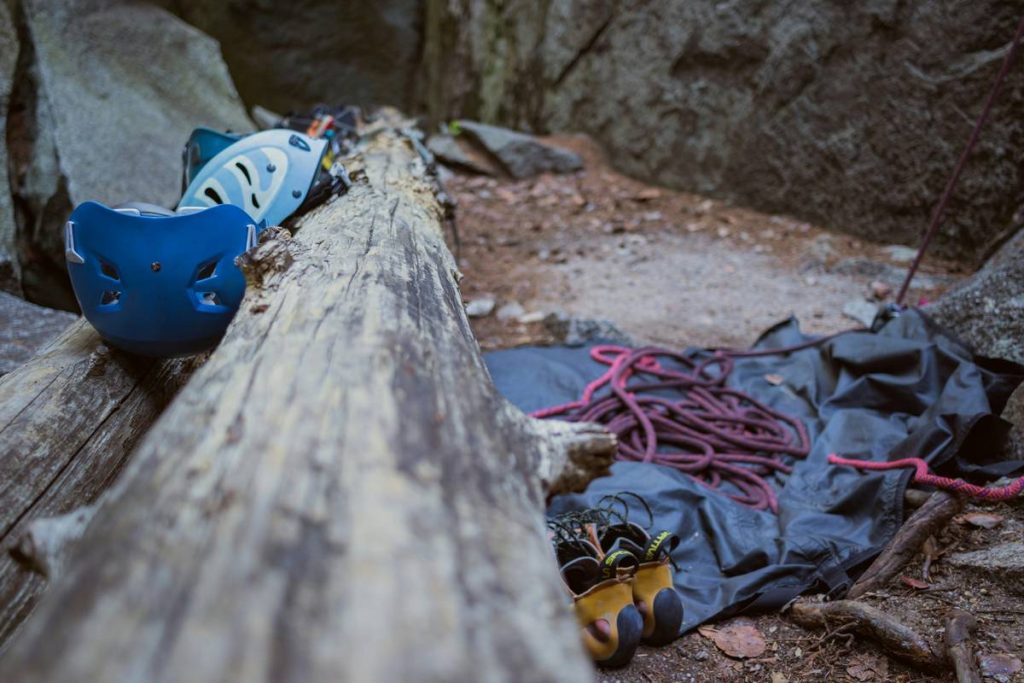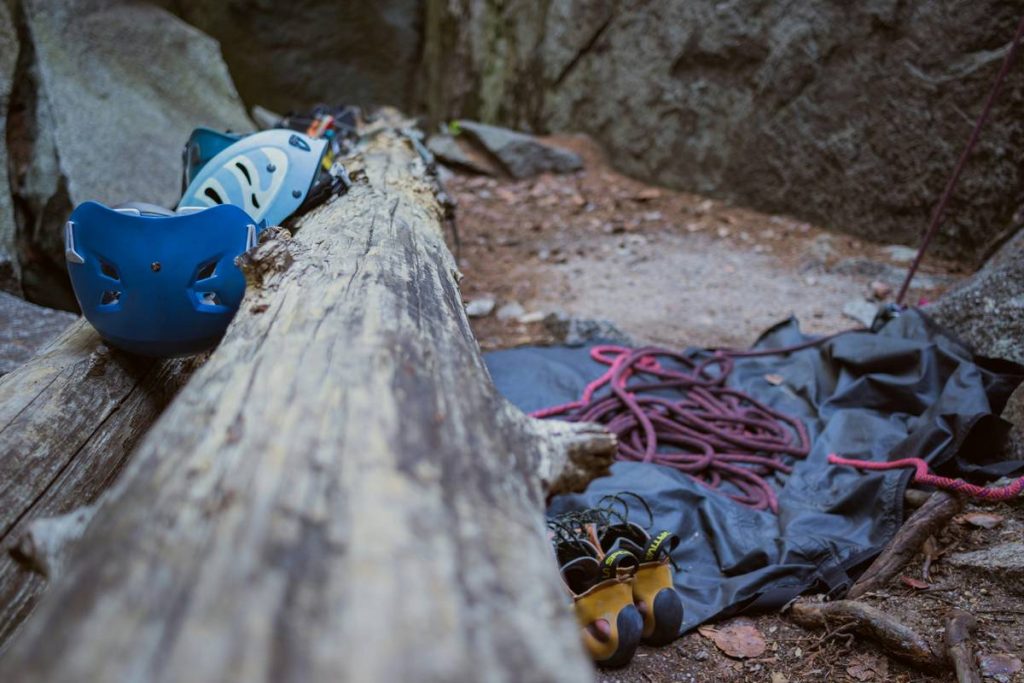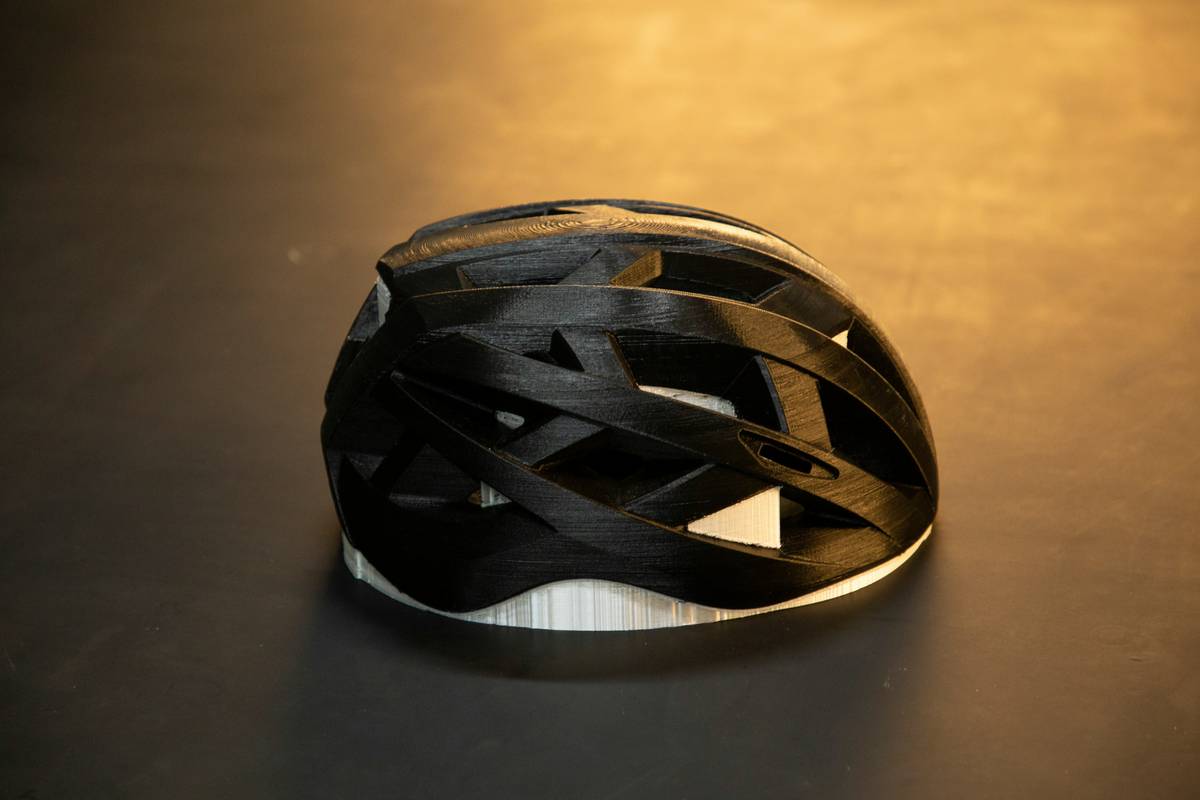
Most climbers buy helmets based on looks or weight alone—then get blindsided on their second pitch. A helmet so light it vanishes on your head sounds ideal. Until a falling rock reminds you why protection matters more than grams. The solution? Not just lighter gear—but smarter Lightweight Helmet Models engineered for impact, not Instagram.
Why “Ultralight” Helmets Often Fail Where It Counts
Manufacturers love touting sub-200g builds. Sounds impressive—until you realize they’ve sacrificed shell integrity or foam density to hit that number. And thin shells crack. Fast. One sharp edge from a loose flake, and your “ultralight” becomes confetti.
Here’s the reality: Weight savings mean nothing if the helmet doesn’t pass UIAA top-impact AND side-impact tests. Many budget “lightweight” options skip the latter entirely. Don’t believe the spec sheet—demand test data.
How to Choose & Test Lightweight Helmet Models That Deliver
Forget marketing hype. Build your shortlist using real-world criteria, not gram counts.
Verify Certification Beyond ANSI
Look for UIAA 106 certification—it’s stricter than CE EN 12492 on lateral impacts. Bonus points if it also meets ASTM F1492 for multi-sport use (great for alpine scrambles).
Fit Over Foam Thickness
A snug fit prevents rotation during a fall—more critical than extra millimeters of EPS foam. Try helmets with adjustable headbands, not fixed sizing.
Ventilation vs. Coverage Trade-Off
More vents = lower weight but higher exposure risk. For ice or mixed climbing, prioritize coverage. For desert sport routes? Max airflow wins.
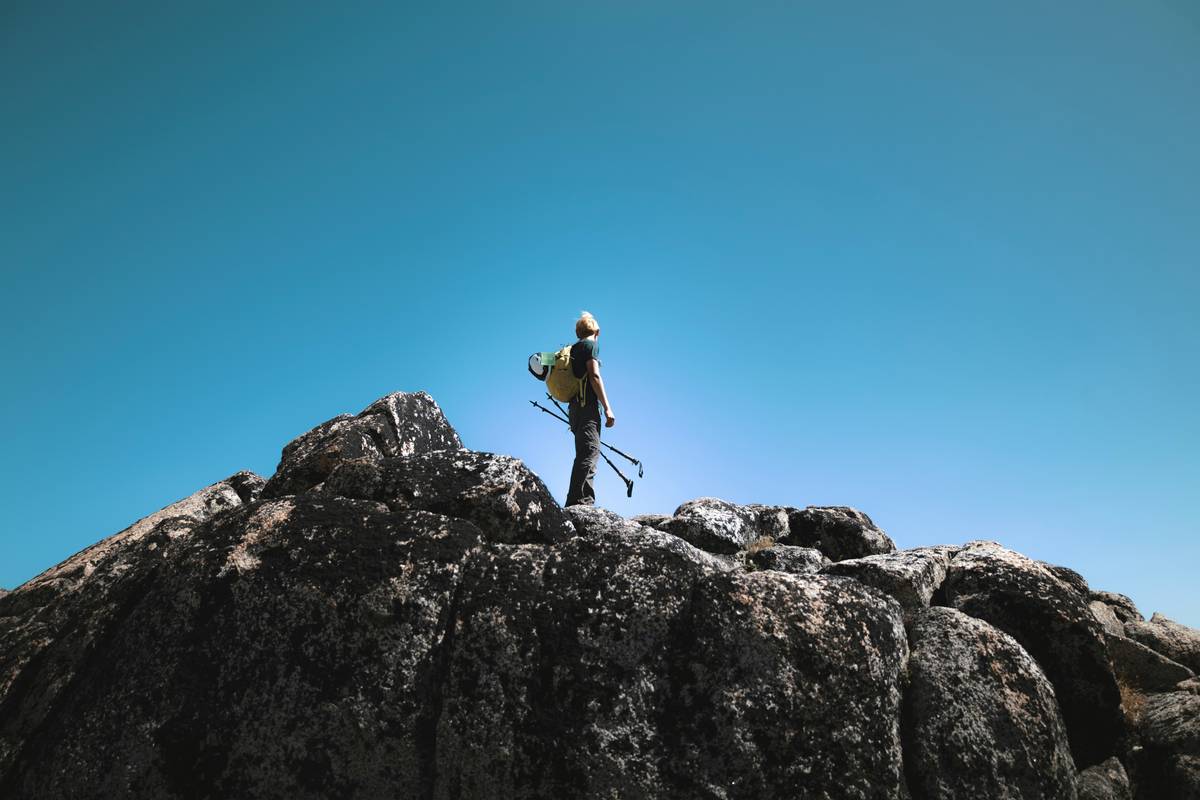
| Model | Weight (g) | UIAA Certified? | Adjustable Fit? | Built-in Headlamp Clips? |
|---|---|---|---|---|
| Petzl Sirocco | 165 | Yes (top + side) | No | Yes |
| Black Diamond Vapor | 178 | Yes (top only) | Yes | Yes |
| Mammut Wall Rider | 230 | Yes (top + side) | Yes | No |
| Edelrid Shield II | 245 | Yes (top + side) | Yes | Yes |
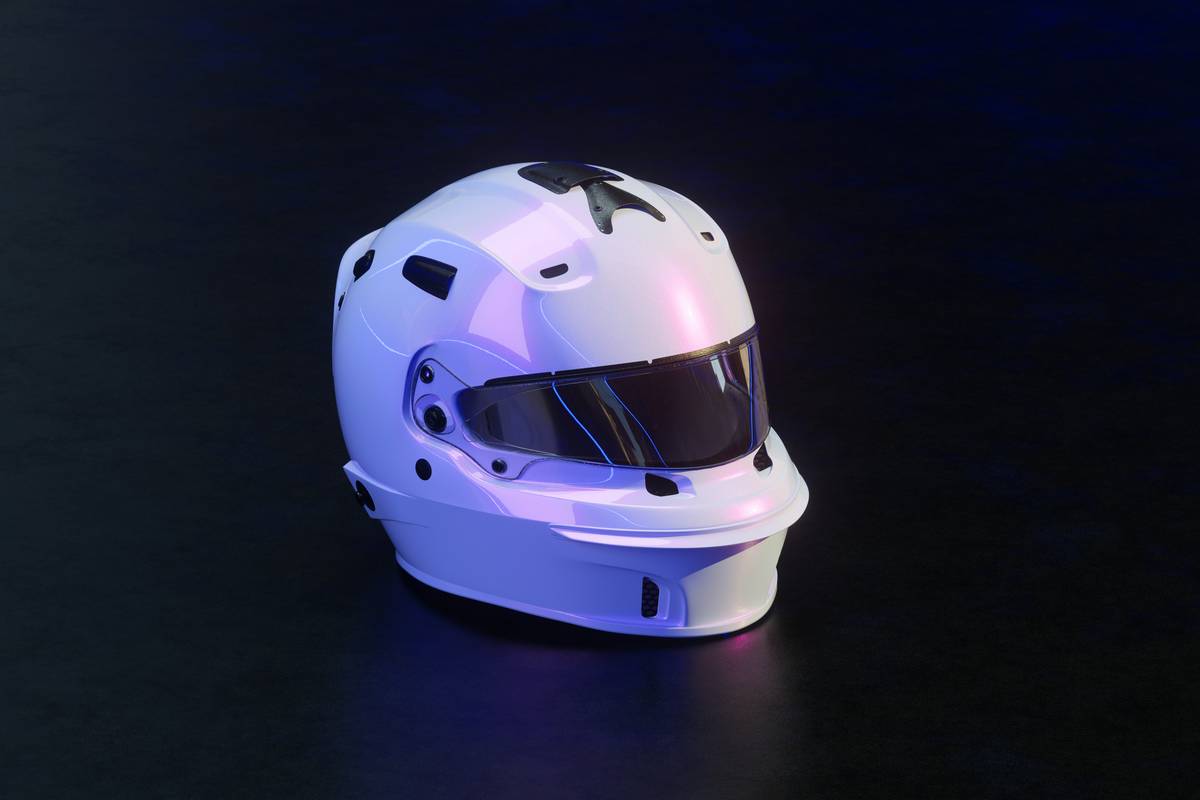
The Industry Secret: Why Pro Guides Rotate Helmets Every 3 Years
Even unused helmets degrade. UV exposure, sweat salts, and micro-compression silently weaken EPS liners. Most climbers don’t know this—but guides do. They log usage hours and retire helmets after ~300 days of active sun/sweat exposure, regardless of visible damage.
But here’s the kicker: Some brands now embed RFID chips that track cumulative UV exposure (looking at you, Petzl). No consumer model has it yet—but ask your retailer about pro-grade units. It’s the closest thing to a “helmet health monitor” we’ve got.
FAQ
Are Lightweight Helmet Models safe for multi-pitch trad climbing?
Only if certified for side impacts (UIAA 106). Avoid foam-only designs—they offer zero protection from lateral strikes.
Can you wear a climbing helmet under a hood or beanie?
Not recommended. It compromises fit and retention. Use a thin merino liner designed for helmets instead.
How often should I replace my Lightweight Helmet Model?
Every 3–5 years max—or immediately after any significant impact, even if there’s no visible damage.