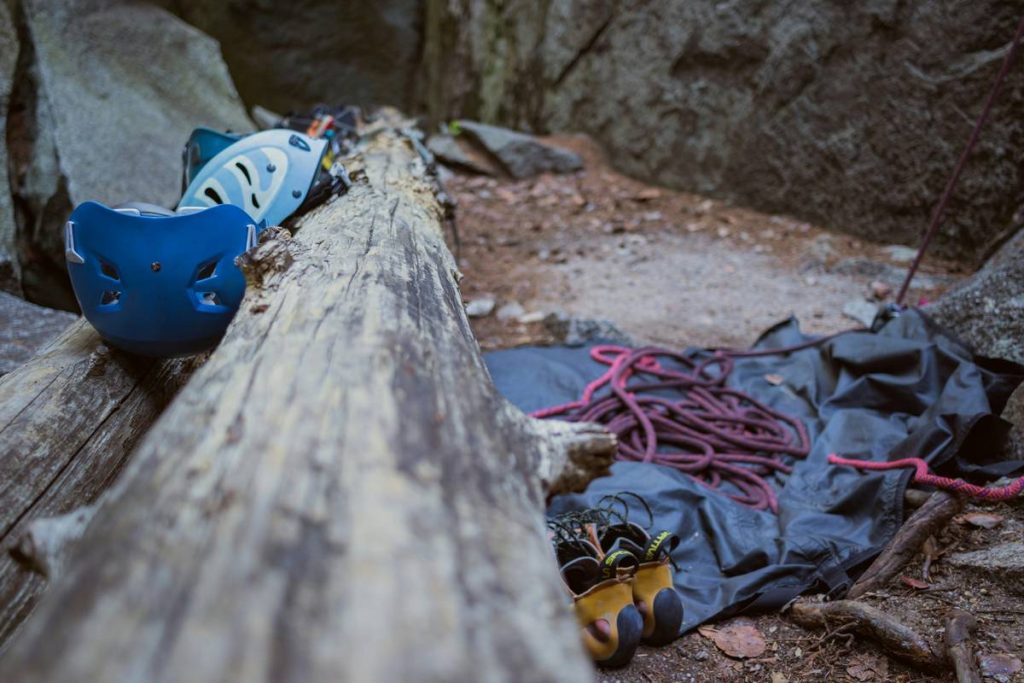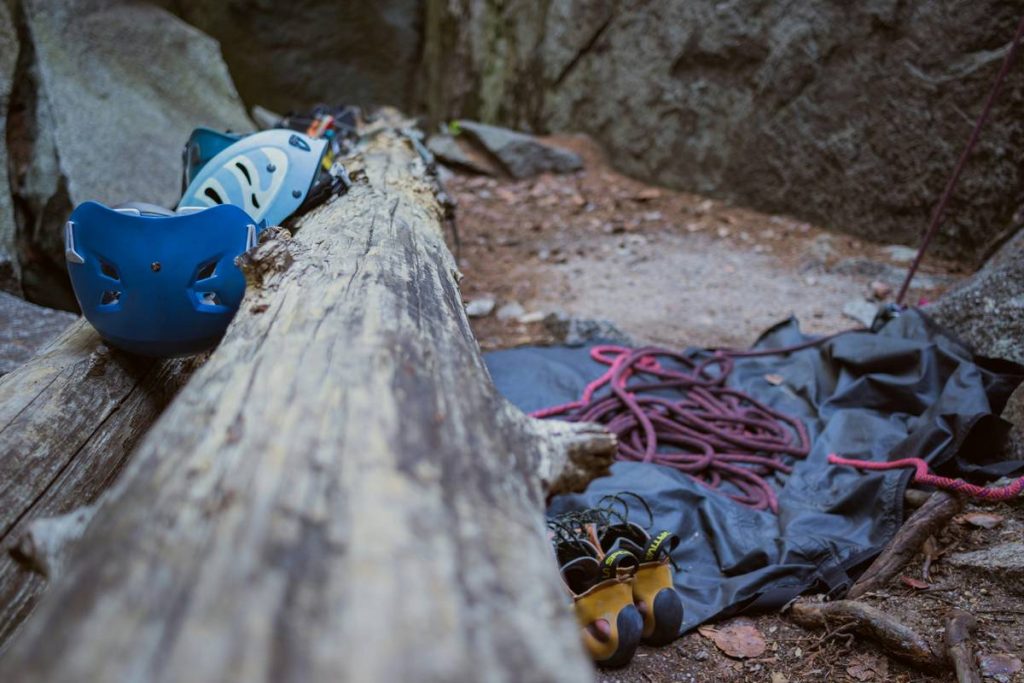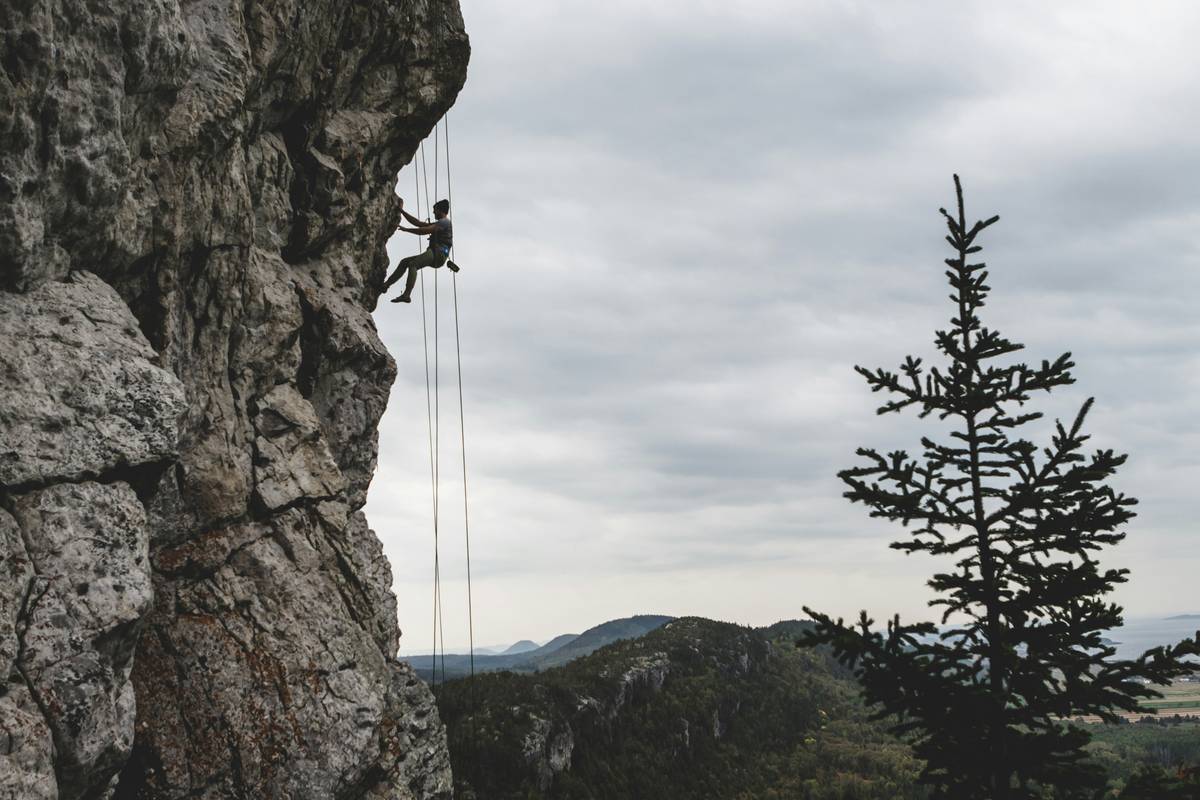
You’re clipped in. The rock face looms above. One loose stone, one wrong move—and your helmet becomes the difference between a close call and catastrophe. Yet most climbers grab the shiniest shell off the rack without checking Safety Certifications. Big mistake.
Why Most Climbers Get Helmet Safety Wrong
Looks matter less than you think. A sleek, ultralight helmet might turn heads at the crag—but if it lacks proper certification, it’s just expensive head jewelry. And no, “it’s from a famous brand” isn’t enough.
Manufacturers aren’t required to disclose test failure rates. Some helmets pass basic impact tests but crumble under sharp, angled strikes—the kind real rockfall delivers. Without recognized Safety Certifications, you’re gambling with your skull.
How to Choose a Certified Climbing Helmet (Step-by-Step)
Step 1: Know the Global Standards
Not all certifications are equal. UIAA is the gold standard for mountaineering. CE EN 12492 matters in Europe. ASTM F1492 covers multi-impact protection—but few brands pursue it because it’s brutally strict.
Step 2: Decode the Label
Flip the helmet. Find the tiny stamp inside. If it says “UIAA 106” or “CE EN 12492,” you’re in the safe zone. Missing that? Walk away—no matter how cool it looks.
Step 3: Match Certification to Your Discipline
Sport climbers need lightweight models with side-impact coverage. Big wall or alpine? Prioritize durability over weight savings. Ice climbers? Look for helmets rated for repeated impacts—because ice axes slip.

| Certification Standard | Region | Key Test Focus | Real-World Relevance |
|---|---|---|---|
| UIAA 106 | Global (mountaineering focus) | Vertical + lateral impact, penetration | High—designed for falling rock & ice |
| CE EN 12492 | European Union | Shock absorption, retention system strength | Medium—less rigorous on sharp-edge impacts |
| ASTM F1492 | USA (voluntary) | Multiple impacts, rotational force | Very High—but rarely used in climbing gear |

The Industry Secret: Why Some Brands Avoid Tougher Certifications
Here’s what retailers won’t tell you: Passing UIAA 106 adds 18–22% to production costs. Many mid-tier brands skip it—not because they can’t engineer it, but because they’d have to raise prices and lose shelf appeal.
And get this—some manufacturers run internal tests mimicking UIAA but never submit for official certification. Saves money. Looks legit. Isn’t. If it’s not stamped, it didn’t pass.
Think about it: Would you trust a parachute that “probably works”?
Frequently Asked Questions
Do all climbing helmets have Safety Certifications?
No. Always verify the label. Unbranded or fashion-focused “climbing-style” helmets often lack any real certification.
Can a helmet lose its certification over time?
Certification applies to new units only. Drops, UV exposure, and sweat degrade foam. Replace after any major impact—or every 5 years, max.
Is CE EN 12492 as good as UIAA 106?
Close, but not identical. UIAA includes sharper penetration tests. For alpine or trad climbing, UIAA is preferred.