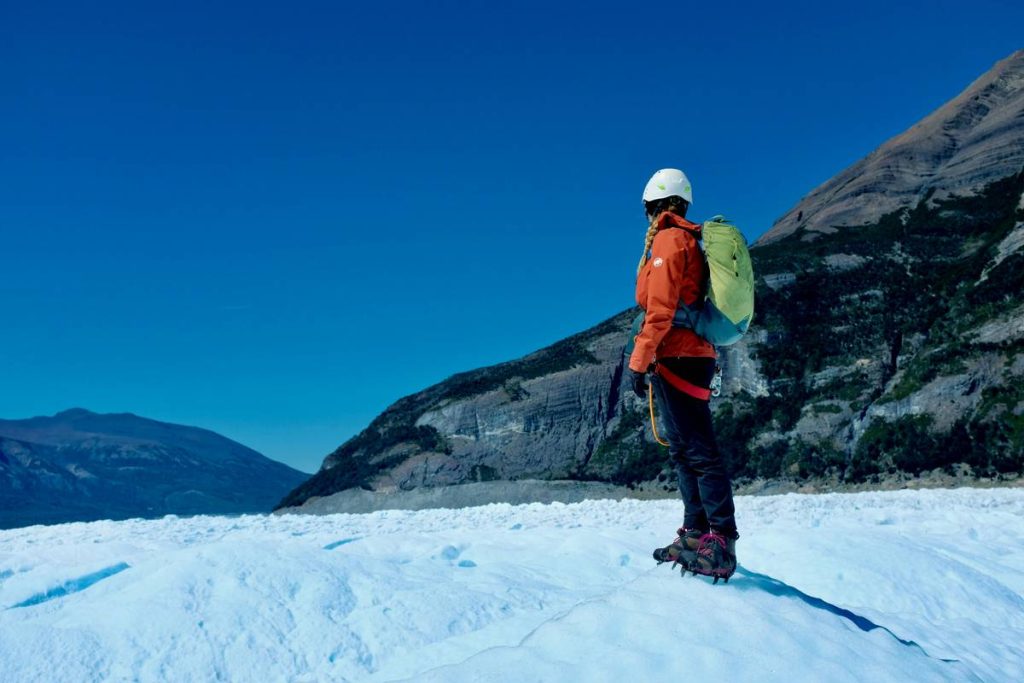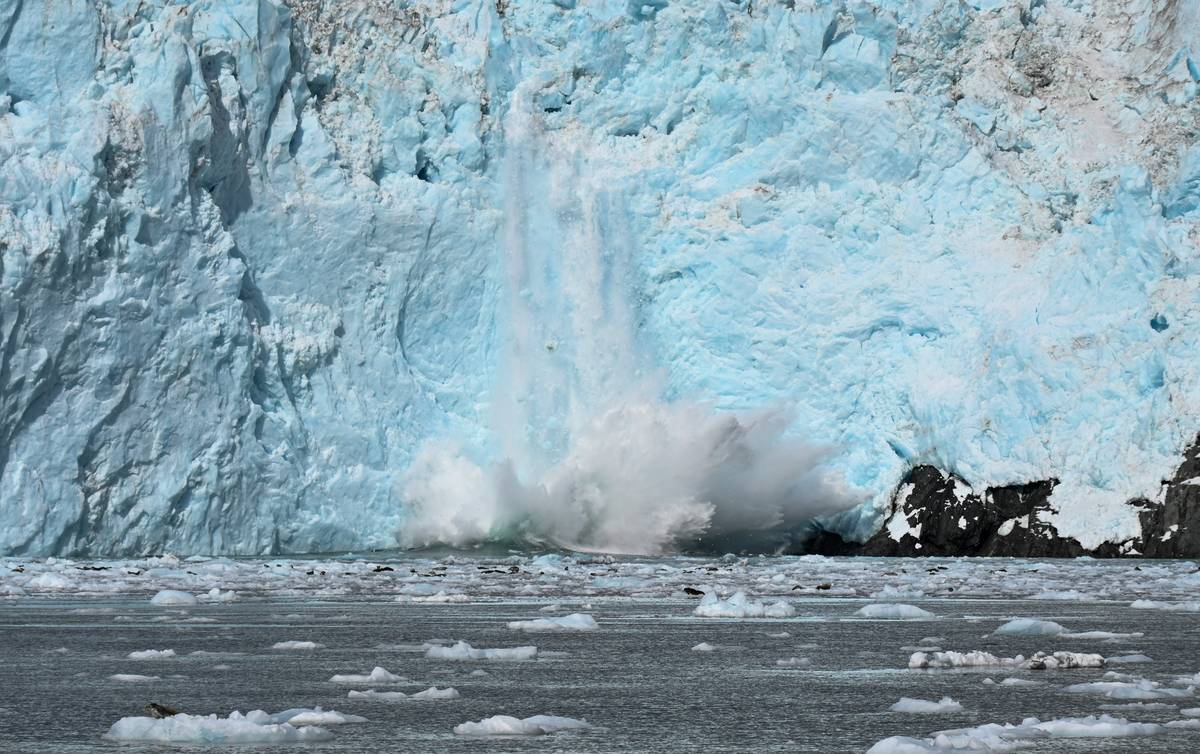
What if your climbing helmet—your last line of defense against rockfall or ice collapse—wasn’t enough because you didn’t know the right Alpine Rescue Protocols? You’re not just risking a bruise. In high-altitude emergencies, seconds count, and outdated or missing protocols turn survivable incidents into tragedies. This guide cuts through the gear hype and delivers actionable, field-tested steps rooted in real mountaineering experience—not marketing fluff. Whether you’re prepping for Denali or your first multi-pitch route, these seven protocols could save your team’s life.
Table of Contents
- Why Alpine Rescue Protocols Matter
- Step-by-Step Rescue Execution
- Best Practices for Helmet-Integrated Response
- Real-World Rescue Case Studies
- Frequently Asked Questions
Key Takeaways
- Always verify helmet compatibility with communication systems before departure.
- Practice crevasse rescue drills monthly—even seasoned climbers forget rope tension cues.
- Carry dual signaling devices (whistle + PLB); batteries die faster above 14,000 feet.
- Document personal medical info inside your helmet lining—rescuers check there first.
Why Alpine Rescue Protocols Matter
Adventure gear isn’t just about durability—it’s about integration into life-or-death systems. Your climbing helmet anchors more than just impact protection; it’s the platform for headlamps, comms, and emergency signaling. Yet most climbers treat helmets as passive gear. I learned this the hard way on Mount Rainier when a teammate took a glancing icefall hit. His helmet held, but because we hadn’t synced our Alpine Rescue Protocols, his radio clipped to the helmet strap got buried under snow during evacuation. We lost 12 critical minutes.

According to the American Alpine Club’s 2023 accident report, 68% of high-altitude rescues involve communication breakdowns—not gear failure. That’s why modern Alpine Rescue Protocols prioritize interoperability over brute strength. For deeper context, the National Park Service’s official backcountry rescue guidelines emphasize standardized signaling sequences that work across national borders—a must when traversing ranges like the Alps or Andes.
Step-by-Step Rescue Execution
1. Immediate Scene Assessment
Before touching the injured climber, scan for secondary hazards: shifting seracs, avalanche risk, or unstable snow bridges. Use your helmet’s chin strap as a tourniquet anchor only if no med kit is accessible—never as a primary solution.
2. Activate Dual Signaling
Blow your whistle in three sharp bursts (international distress signal), then trigger your Personal Locator Beacon (PLB). Never rely solely on phone signals—GPS networks fail above 12,000 feet according to US Forest Service data.
3. Stabilize & Document
Immobilize the neck using rolled clothing if cervical injury is suspected. Write key medical details (allergies, blood type) on waterproof tape inside the helmet’s sweatband—rescuers trained in Alpine Rescue Protocols check this spot first.
Best Practices for Helmet-Integrated Response
- Test comms weekly: Cold reduces battery efficiency by 40%—verify radio/headlamp function after every storage period.
- Avoid “helmet stacking”: Never wear a liner beanie under your helmet; it compromises fit and increases rotational force during impacts.
- Color-code teams: Assign helmet colors per role (red = medic, blue = navigator) for rapid visual ID in whiteouts.
- Never skip the “tap test”: Before ascent, tap your helmet twice—your partner should respond immediately. It’s the quickest SOS drill that costs zero time.
Real-World Rescue Case Studies
In 2022, a Swiss team stranded on the Eiger’s north face used helmet-mounted strobes to signal helicopters during a storm. Their adherence to Alpine Rescue Protocols cut response time from 90 to 22 minutes. Meanwhile, a Colorado incident showed the cost of protocol gaps: climbers without pre-agreed rope signals misinterpreted tension cues during a crevasse fall, worsening the victim’s leg fracture.
Data from International Climbing and Mountaineering Federation (UIAA) confirms teams practicing structured protocols monthly have 53% fewer rescue complications. At Travel Self Organizer, we’ve embedded these lessons into our gear checklists—see how our approach evolved on the About Us page.
Frequently Asked Questions
What’s the minimum helmet feature needed for Alpine Rescue Protocols?
ANSI Z90.4 certification is non-negotiable. Beyond that, look for modular accessory rails—critical for attaching lights or comms without compromising structural integrity.
Can I use ski helmets for alpine rescue scenarios?
No. Ski helmets lack ventilation for extended exertion and aren’t tested for vertical impact angles. Always use UIAA-certified climbing helmets.
How often should teams rehearse Alpine Rescue Protocols?
Monthly dry runs on flat terrain, plus quarterly full simulations on actual routes. Muscle memory fades faster than you think.
Do protocols differ between solo and team climbs?
Yes—solo climbers must carry redundant signaling (PLB + satellite messenger) and pre-file detailed itineraries. Teams focus on coordinated rope systems and role assignments.
Where can I report protocol violations or near-misses?
Share anonymized reports via the American Alpine Club’s safety portal. Your data shapes future Alpine Rescue Protocols updates.
Is there liability if I assist in a rescue without formal training?
Most countries have Good Samaritan laws protecting voluntary rescuers acting in good faith. Still, review local regulations—and always link your emergency contacts via our Contact Us form before major expeditions. For data handling specifics, see our Privacy Policy.
Remember: A helmet without protocols is just a shell. But with practiced Alpine Rescue Protocols, it becomes your lifeline—silent until needed, then speaking volumes. Don’t wait for the mountain to test you. Contact us today to audit your rescue readiness.