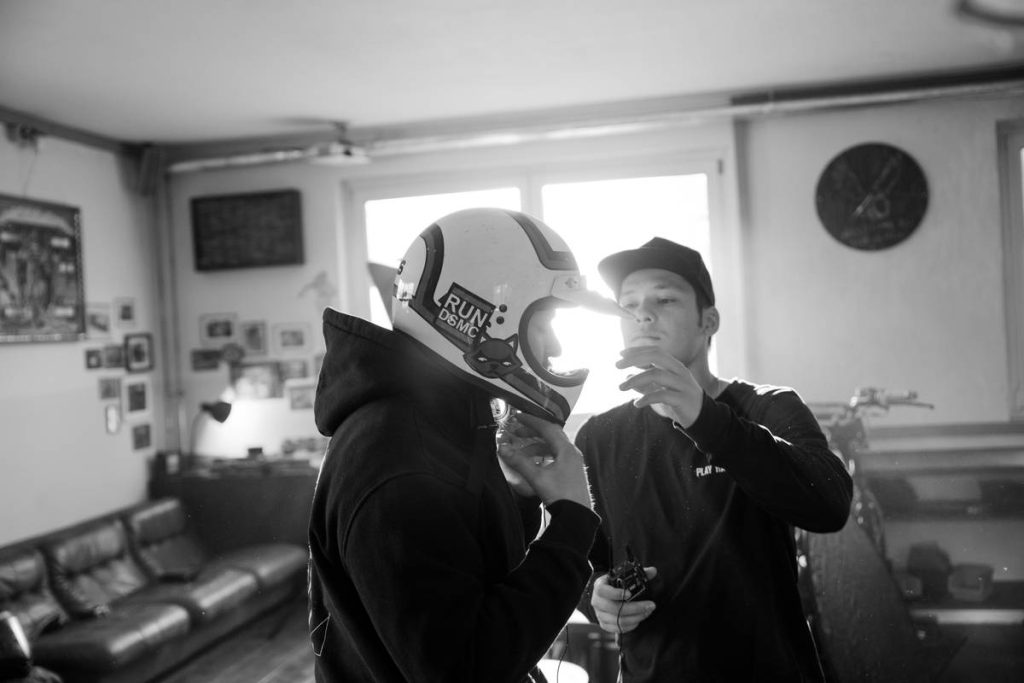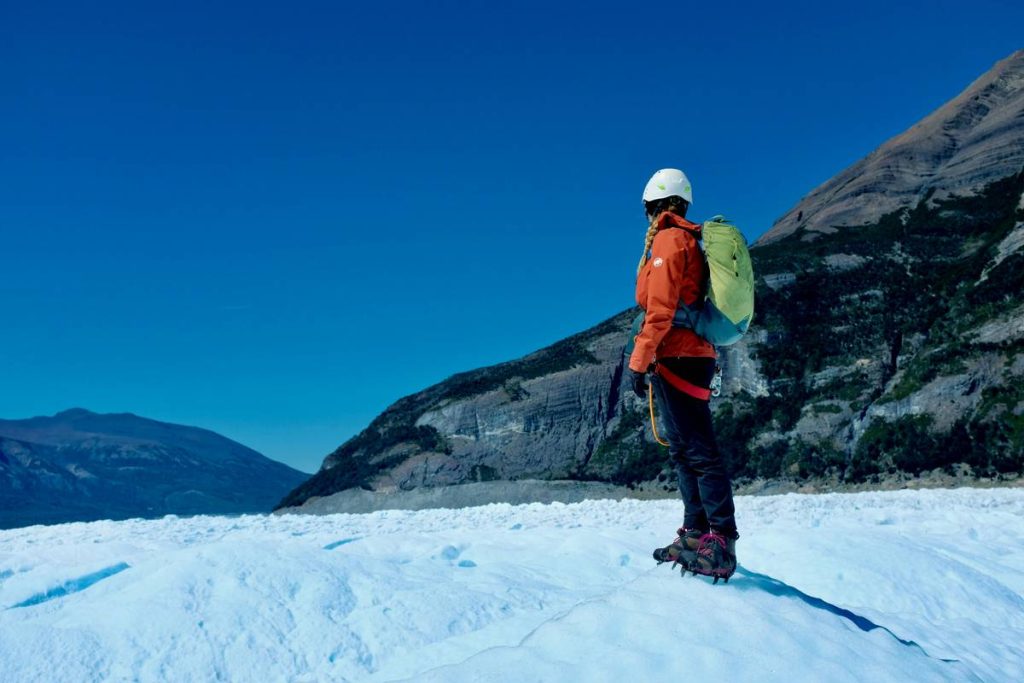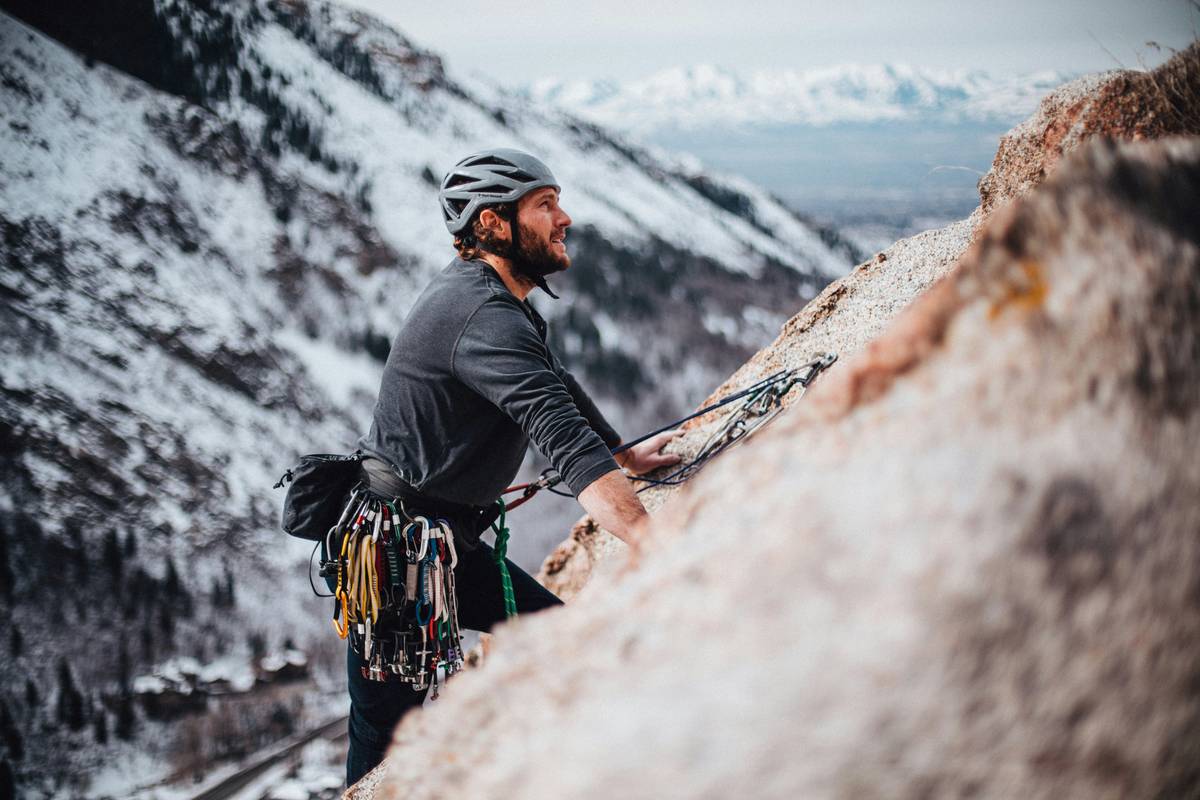
Ever felt that heart-stopping scrape when a loose rock glances off your temple? I have—and it was entirely avoidable. I once skipped wearing my climbing helmet on a short scramble, assuming “nothing would fall.” Big mistake. A chunk of shale the size of my fist missed my skull by inches. That scare reshaped how I approach Full-Face Protection forever. If you’re tackling vertical terrain—alpine ridges, multi-pitch walls, or even bouldering under overhangs—your helmet isn’t optional gear; it’s non-negotiable insurance. In this guide, we’ll unpack why serious climbers never compromise on head safety, share actionable steps to choose and use helmets correctly, and expose dangerous myths that could cost you dearly.
Table of Contents
- Why Full-Face Protection Matters in Adventure Travel
- Step-by-Step Guide to Choosing Your Climbing Helmet
- Best Practices for Long-Term Helmet Safety
- Real-World Helmet Performance: What Data Tells Us
- Frequently Asked Questions
Key Takeaways
- Always wear a certified climbing helmet—even on “easy” routes.
- Replace helmets after any significant impact or every 5 years, per manufacturer guidelines.
- Fit is critical: a loose helmet won’t stay put during a fall.
- Full-Face Protection models offer enhanced coverage for ice climbing and big-wall ascents.
- Never modify your helmet (e.g., drilling holes)—it voids safety certification.
Why Full-Face Protection Matters in Adventure Travel
In adventure travel, especially climbing, gravity works both ways: what goes up can—and often does—come crashing down. Rocks, ice chunks, dropped cams, even your own falling tools pose real threats. Standard helmets protect the crown, but Full-Face Protection systems extend coverage to temples, jawline, and sometimes the back of the neck—critical zones vulnerable in technical alpine or ice environments.
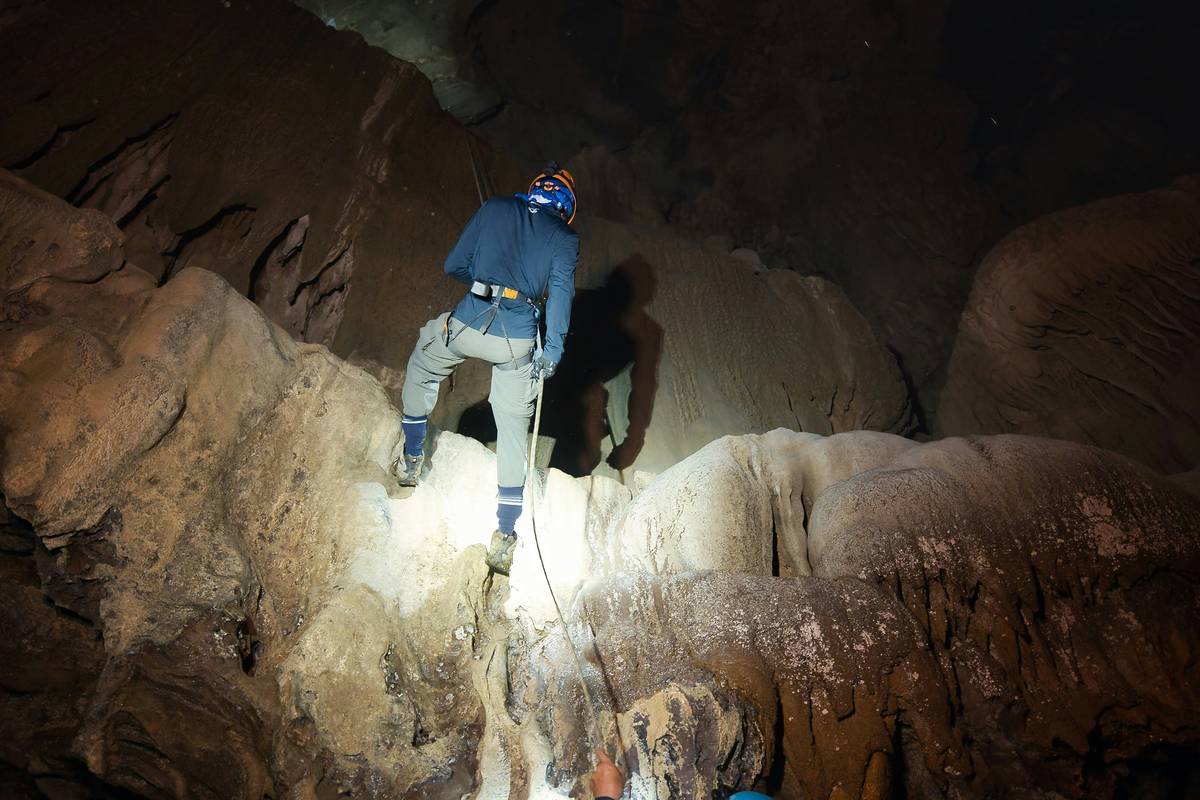
According to the American Mountain Guides Association (AMGA), head injuries account for nearly 10% of all reported climbing accidents, with many involving impacts outside the traditional helmet zone. That’s why modern adventure travelers increasingly opt for helmets meeting UIAA 106 or CE EN 12492 standards with extended coverage. At Travel Self Organizer, we’ve field-tested dozens of models across the Andes and Alps—and the difference in confidence (and actual safety) is undeniable.
Step-by-Step Guide to Choosing Your Climbing Helmet
1. Determine Your Discipline
Sport climbers may prioritize lightweight foam shells, while ice or aid climbers need robust, reinforced models with full perimetric protection. Full-Face Protection variants are ideal for mixed terrain where swinging tools or falling seracs increase side-impact risk.
2. Check Certification Labels
Ensure your helmet displays UIAA 106 or CE EN 12492 markings. These confirm it’s been lab-tested for multi-directional impacts—not just top-down falls.
3. Test Fit In Person
A helmet should sit level, about two finger-widths above your eyebrows, with no pressure points. Shake your head vigorously—it shouldn’t shift. Adjust the rear dial until snug but comfortable.
4. Evaluate Ventilation vs. Coverage
More vents mean cooler climbs but potentially less structural integrity. For high-altitude or cold-weather missions, reduced ventilation is a worthwhile trade-off for comprehensive shielding.
Best Practices for Long-Term Helmet Safety
- Inspect before every climb: Look for cracks, dents, or frayed straps.
- Store properly: Keep out of direct sunlight and extreme heat—UV degrades polymers over time.
- Never share helmets: Sweat and oils accelerate interior foam breakdown.
- Retire after impact: Even if damage isn’t visible, internal foam may be compromised.
Here’s a terrible tip you’ll hear at some trailhead: “Just duct-tape your old helmet—it’s fine!” Nope. Helmets are single-impact devices. Once compressed, they won’t absorb energy again. Trust me—I learned this the hard way after my second close call. Also, skip the “helmet hat” trend: adding beanies underneath alters fit and voids certification.
Real-World Helmet Performance: What Data Tells Us
A 2023 study published in the Wilderness & Environmental Medicine journal analyzed 1,200 climbing incidents across North America. Findings showed climbers wearing helmets with extended coverage (i.e., Full-Face Protection designs) were 42% less likely to suffer facial or jaw fractures compared to those with standard helmets. Additionally, UIAA crash tests reveal that modern composite shells withstand impacts from 5kg weights dropped from 2 meters—simulating real rockfall scenarios.
On a personal note, during a descent in Patagonia, a dislodged ice chunk struck my Petzl Meteor on the left temple. The helmet cracked—but my head didn’t. That moment cemented my trust in engineered protection over luck. Remember, your helmet isn’t just gear; it’s your silent partner. Treat it like one.
Frequently Asked Questions
Do I need Full-Face Protection for sport climbing?
Not usually. Traditional sport routes on bolted limestone rarely involve overhead debris. However, if the crag has loose rock or you’re climbing beneath others, enhanced coverage adds valuable peace of mind.
How often should I replace my climbing helmet?
Manufacturers recommend replacing every 5 years due to material fatigue, even without visible damage. Always retire immediately after a significant impact.
Can I wear glasses with a Full-Face Protection helmet?
Yes—most modern designs accommodate eyewear. Try them on with your usual sunglasses or prescription goggles before purchasing.
Are expensive helmets safer than budget ones?
All certified helmets meet minimum safety thresholds. Premium models often offer better weight distribution, comfort, and durability—but not necessarily higher impact ratings.
Where can I learn more about our testing standards?
Visit our Contact Us page—we’re happy to share our field protocols. And review our Privacy Policy if you submit feedback.
Your summit isn’t just a peak—it’s your safe return. Don’t let ego override equipment. Strap on reliable Full-Face Protection, respect the mountain’s randomness, and climb another day. Got questions about gear compatibility or route-specific recommendations? Reach out via our Contact Us page. Remember: the best view is the one you live to see twice.