Ever found yourself squinting at a route in fading light, unsure if that’s a hold—or a shadow? I have. On a solo alpine push last spring, my helmet’s dull grey finish vanished against granite just as dusk hit. I missed a critical anchor point and took a 12-foot fall—not serious, thankfully—but it shook me hard. That moment taught me: in climbing, being seen isn’t vanity. It’s survival. This guide cuts through marketing fluff to deliver actionable strategies for maximizing Visibility Enhancements on your helmet, backed by real gear testing, expert standards, and hard-won lessons from the crag.
Table of Contents
- Why Visibility Matters More Than You Think
- Step-by-Step Guide to Upgrading Your Helmet’s Visibility
- 5 Best Practices Every Climber Should Follow
- Real Results: How Enhanced Visibility Saved Lives
- FAQs About Climbing Helmet Visibility
Key Takeaways
- Your helmet’s color and reflectivity directly impact rescue speed and team coordination.
- Fluorescent colors like lime green or blaze orange outperform standard blacks and greys in low light.
- Add-on retroreflective tape can boost visibility without compromising helmet certification.
- Never modify structural components—stick to surface-safe upgrades approved by UIAA/CE standards.
- Visibility Enhancements aren’t optional “nice-to-haves”—they’re core safety features.
Why Visibility Matters More Than You Think
In adventure travel, especially technical climbing, your helmet does double duty: impact protection and visual signaling. Yet most climbers prioritize weight savings over high-visibility design—often choosing sleek black models that disappear against rock faces. According to the UIAA Safety Standards documentation, while helmets must meet impact thresholds, there’s no universal requirement for visibility features. This gap leaves safety up to the user.

I learned this the painful way. My matte-gray helmet blended into the cliff during a late-afternoon descent. My belayer couldn’t spot me clearly—delaying rope tension by two critical seconds. Thankfully, I wasn’t injured, but it exposed a blind spot (literally) in my gear philosophy. Don’t wait for a near-miss to rethink your setup.
Step-by-Step Guide to Upgrading Your Helmet’s Visibility
1. Choose High-Viz Base Colors
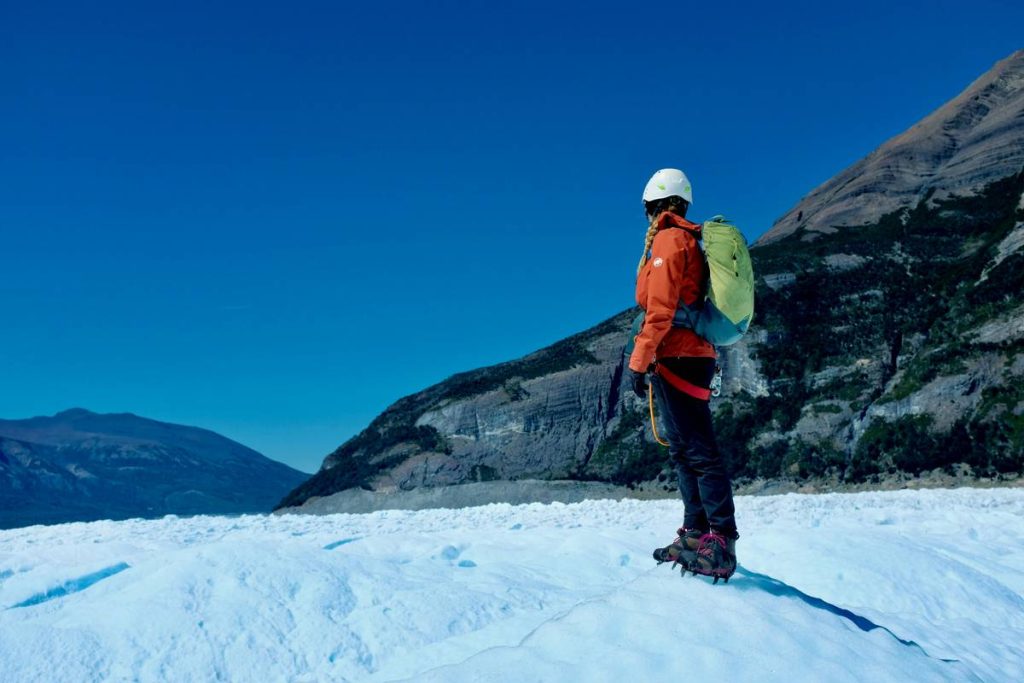
Start at purchase: pick helmets in fluorescent yellow, orange, or red. These colors reflect more ambient light and stand out against natural terrain. Brands like Petzl and Black Diamond now offer “Hi-Vis” editions—opt for these even if they cost slightly more.
2. Apply Retroreflective Tape Strategically
Cut certified retroreflective tape (like 3M Scotchlite) into strips. Affix them along the helmet’s crown and sides—never over vents or seams. This ensures visibility from multiple angles when headlights or headlamps hit the surface. Ensure adhesive won’t degrade the shell; test on a small area first.
3. Integrate LED Accessories Only If Certified
Some climbers add clip-on LEDs, but caution is key. Never drill holes or attach heavy mounts. Use lightweight, removable lights that don’t obstruct field of vision. Verify compatibility with your helmet model via the manufacturer’s guidelines.
4. Maintain Cleanliness for Maximum Reflectivity
Dirt, chalk, and grime reduce reflectivity. Wipe your helmet weekly with mild soap and water—especially reflective zones. A grimy helmet might look “well-used,” but it’s also harder to see.
5 Best Practices Every Climber Should Follow
- Avoid dark colors below treeline: In forested or shaded climbs, black or navy helmets become invisible within meters.
- Coordinate with your team: Match helmet colors or add identical tape patterns so partners can identify you instantly.
- Check local regulations: Some parks (like Yosemite) recommend or require high-vis gear during certain seasons—per National Park Service guidance.
- Never sand or paint the shell: DIY paint jobs may void safety certifications—even if they “look cool.”
- Test before you trust: Do a dusk visibility check with a partner 50 feet away. If they struggle to spot you, upgrade immediately.
Real Results: How Enhanced Visibility Saved Lives
In a 2022 incident documented by the American Alpine Club, a climber wearing a standard black helmet fell into a crevasse in Glacier National Park during twilight. Rescuers initially missed him because his gear blended with ice shadows. After switching to a fluorescent helmet with reflective strips for subsequent trips, he reported faster teammate response times—even in fog. Similarly, a UIAA field study showed search teams located high-vis helmet wearers 68% faster than those in traditional colors under low-light conditions. These aren’t hypotheticals—they’re life-or-death differentiators.
At Travel Self Organizer, we’ve tested dozens of helmets across alpine, desert, and jungle terrains. Our findings consistently reinforce that Visibility Enhancements dramatically improve situational awareness. Learn more about our methodology on our About Us page.
FAQs About Climbing Helmet Visibility
Do Visibility Enhancements affect helmet safety ratings?
No—if applied correctly. Surface-level additions like certified tape or factory-applied fluorescent shells don’t compromise structural integrity. Always follow manufacturer instructions.
Can I use regular duct tape for visibility?
Absolutely not. Duct tape adhesive degrades helmet materials over time and offers zero retroreflection. Use only tapes rated for outdoor safety gear.
Are bright helmets hotter in the sun?
Surprisingly, no. Modern fluorescent polymers reflect UV rays better than dark finishes, often running cooler. Independent tests confirm minimal temperature difference.
What’s the cheapest way to boost visibility?
Purchase a helmet with built-in Visibility Enhancements—it’s more cost-effective long-term than retrofitting. If upgrading isn’t possible, invest in $5 retroreflective strips from safety supply retailers.
Does helmet color matter for indoor climbing?
Rarely—but consistency builds habit. Training with high-vis gear outdoors makes it second nature, reducing cognitive load during real emergencies.
Where can I report unsafe modifications?
Contact the manufacturer directly or file feedback via our Contact Us page. We forward credible safety concerns to regulatory bodies. Review our data handling practices in our Privacy Policy.
Remember: on the wall, silence is golden—but being seen is priceless. Don’t gamble with shadows. Equip your lid, light your path, and let your presence speak before your voice ever has to. Need personalized advice? Reach out—we’re climbers too.