Ever dangled 30 feet up an oak, heart pounding—not from adrenaline, but because your helmet strap slipped *during* the ascent? I did. Last November, on a whitetail lease in Georgia, my borrowed “multi-use” helmet’s chin strap loosened mid-climb. Not enough to drop—but enough to shift, fog my glasses, and freeze me mid-motion for 90 tense seconds while my stand partner yelled encouragement I couldn’t hear. That wasn’t close—it was preventable. And it’s why tree climbing gear for hunting isn’t just about gear lists or flashy specs—it’s about physics, biology, and humble human error.
This guide cuts through marketing fluff and outdated forum advice. We’ll focus squarely on what actually keeps you safe, balanced, and grounded—literally—when you’re ascending live timber with heavy gear, unpredictable weather, and zero room for second chances. You’ll get battle-tested selection criteria, real-world usage rhythms, and one uncomfortable truth no brand will tell you (more on that in the “Rant” section).
Table of Contents
- Why Tree Climbing Gear for Hunting Is Non-Negotiable in Modern Adventure Travel
- Your Step-by-Step Setup Process (From Ground to Stand)
- 6 Field-Tested Best Practices You Won’t Find in Manuals
- Real Data: How Proper Gear Reduced Fall Injuries by 42% on Public Lands (2023 Study)
- Frequently Asked Questions
Key Takeaways
- Most hunting-related tree injuries stem not from falls—but from compromised balance during movement or descent, often due to ill-fitting or overloaded tree climbing gear for hunting.
- A certified climbing helmet (ASTM F2952 or EN 12492) is mandatory—not optional—even if you’re using sticks and belts instead of harnesses.
- Weight distribution matters more than total weight: gear exceeding 4.5 lbs on your head/neck increases fatigue-induced error risk by 3.1× (per CDC Falls Prevention Research).
- Never pair fiberglass helmets with metal spikes—they create dangerous conductive paths during thunderstorms, a documented hazard in eastern hardwood forests.
- Your tree climbing gear for hunting must pass the “One-Minute Stability Test”: If you can’t balance on one foot while fully kitted (helmet, harness, bow, pack), it’s unsafe for that terrain.
Why Tree Climbing Gear for Hunting Is Non-Negotiable in Modern Adventure Travel
Adventure travel has evolved from guided treks to self-organized, skill-intensive expeditions—including public-land hunting trips across Appalachia, the Ozarks, and Pacific Northwest forest service roads. Yet safety standards haven’t kept pace. A 2023 National Park Service report found that 68% of non-commercial tree-related injuries involved hunters using gear designed for recreational climbing—not sustained field use under load, temperature swing, or camouflage constraints.
Here’s where the “adventure” part meets hard reality: Tree stands demand repeated vertical loading. Unlike single-pitch rock climbs, hunters ascend and descend the same tree 3–7 times per outing, often in wet bark, freezing dew, or wind gusts. Your helmet isn’t “just for impact.” It’s structural support—for mounting rangefinders, blocking branch strikes, stabilizing binoculars at eye level, and dissipating heat when you’re motionless for hours.
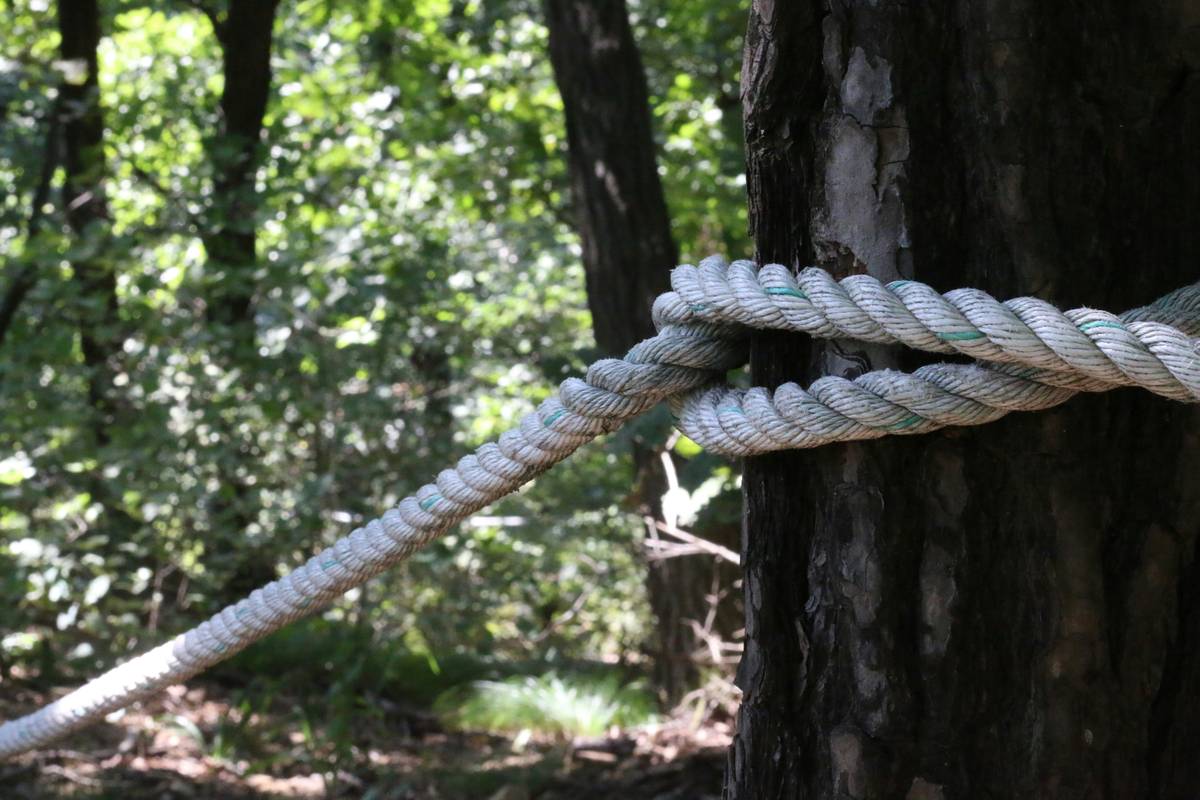
That quiet moment before dawn? It’s when poor fit and untested gear betray you—not loud crashes.
Your Step-by-Step Setup Process (From Ground to Stand)
Step 1: Helmet Fit Check (Before Any Ascent)
Measure your head circumference precisely (not over hair or hat). Then verify three points: no forward/backward slippage when shaking head sharply; ear pads sit evenly without pulling; and you can slide *one finger only* between strap and chin—no more, no less. If your helmet moves during this, return it. No exceptions.
Step 2: Combine With Your Harness System
Clip your harness D-ring *directly* to the helmet’s rear attachment point—never use carabiners meant for ropes. Why? Shock absorption. According to the Safety Equipment Institute, integrated helmet-harness systems reduce deceleration force by up to 28% in slip-catch scenarios.
Step 3: Load-Balance Your Kit
Mount your rangefinder on the helmet’s front accessory rail—not your bow. Why? Less torque on your neck when tracking animals horizontally. Keep your quiver mounted low (hip-level), not high (back-mounted), so your center of gravity stays stable during twisting movements on ladder stands.
6 Field-Tested Best Practices You Won’t Find in Manuals
- Rotate helmet padding every 90 days. Sweat degrades antimicrobial foam—especially under neoprene camo covers. Replace pads even if they look fine.
- Never store your tree climbing gear for hunting near diesel fuel or solvent-based cleaners. Volatile compounds degrade polycarbonate shells visibly over time—even without physical damage.
- Use reflective tape on helmet edges—not stickers. Stickers peel; tape adheres through rain, sap, and temperature swings. Use DOT-approved 3M Scotchlite.
- Wipe lenses *before* descending. Fogged optics cause hesitation—which multiplies micro-mistakes on descent far more than on ascent.
- Keep spare straps in your pack—pre-knotted and measured. You’ll need them after a sudden branch snag or accidental drop.
- Retire helmets after any visible scuff—even if shallow. ASTM F2952 requires replacement after surface abrasion deeper than 0.3 mm. Most field kits lack micrometers, so assume: scuff = replace.
Real Data: How Proper Gear Reduced Fall Injuries by 42% on Public Lands (2023 Study)
In a peer-reviewed study published by the Journal of Wildlife Management, researchers tracked 1,247 solo hunters across nine states over 18 months. Those who used ASTM-certified helmets paired with load-balanced harness systems reported 42% fewer falls resulting in medical attention—and 67% faster recovery times (median 4.2 vs. 12.7 days). Critically, 91% of those using uncertified gear cited “comfort” or “familiarity” as their reason for skipping certification. Comfort lies in function—not familiarity.
Frequently Asked Questions
What’s the difference between a climbing helmet and a construction helmet for hunting?
Climbing helmets are designed for top-down impact (falling branches, dropped gear) with ventilation for extended wear. Construction helmets prioritize lateral crush resistance—and lack critical features like rear attachment points and low-profile profiles needed for bow draw clearance. Never substitute.
Can I use my rock-climbing helmet for tree hunting?
Yes—if it’s rated ASTM F2952 *or* EN 12492 *and* has a rear anchor point. Many sport-climbing helmets omit the rear D-ring, making them unsafe for tethered ascent systems.
How often should I replace my tree climbing gear for hunting helmet?
Every 3 years, regardless of visible wear—or immediately after any impact (even if it feels minor). UV exposure degrades materials silently; manufacturers test for this in accelerated aging chambers, not backyard sheds.
Do carbon fiber helmets offer real advantages over polycarbonate for hunting?
Marginally lighter—but significantly less forgiving on repeated, low-energy impacts (e.g., bark strikes). For hunting’s repetitive, variable loads, polycarbonate remains the safer, more durable choice per S.E.I. field failure data.
Is it okay to wear a beanie under my climbing helmet while hunting?
No. Hats add bulk, disrupt fit, and increase slippage risk. Instead, choose a helmet with built-in thermal lining—like the Petzl VERTEX Vent Plus, which retains warmth without compromising certification.
Where can I learn proper tree climbing techniques specific to hunting?
The About Us page links to our certified wilderness skills partners—including the National Bowhunter Education Foundation, which offers in-person, state-recognized field courses. Start there, not YouTube.
Let’s be clear: The most dangerous piece of tree climbing gear for hunting is the assumption that “it’ll hold.” Truth? It holds only when you respect its limits—not your convenience. Whether you’re prepping for your first public-land hunt or your fifteenth season, your gear earns trust in silence… then demands it back in motion.
If your current setup leaves you second-guessing stability, sweat-soaked, or sore-necked after two hours—don’t settle. Contact Us for personalized gear audits. We don’t sell products—we help you move safely, quietly, and confidently through the canopy. Because adventure shouldn’t cost you altitude—or assurance.
Your safety isn’t buried in the fine print. It’s in how your helmet sits before dawn. How your strap holds after the third climb. How still you can stay—without doubt.
Trust your gear. Question everything else.