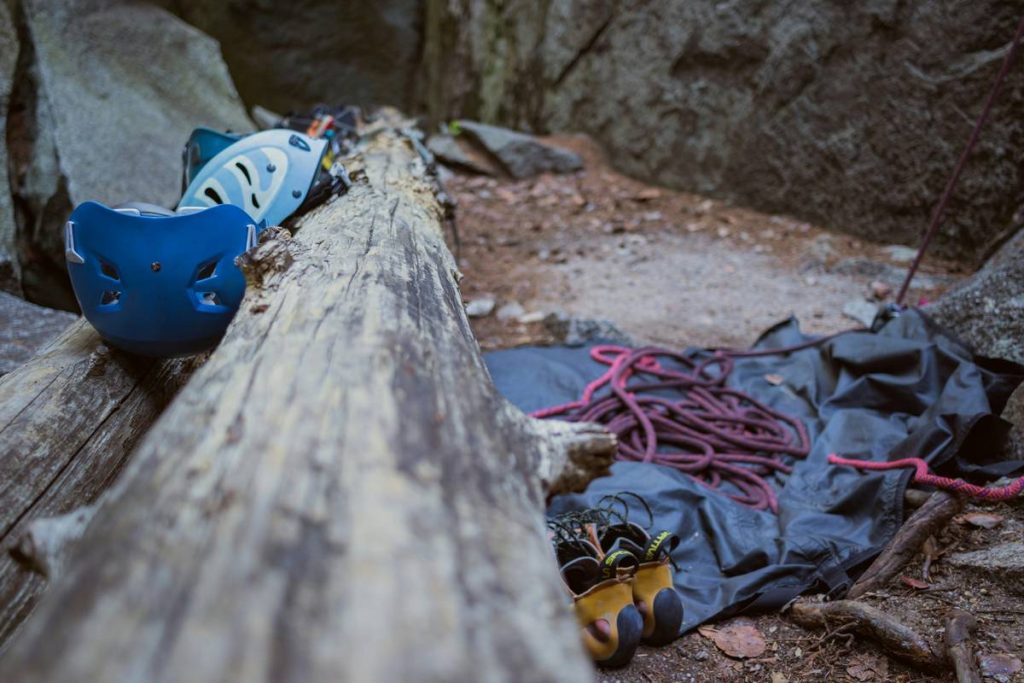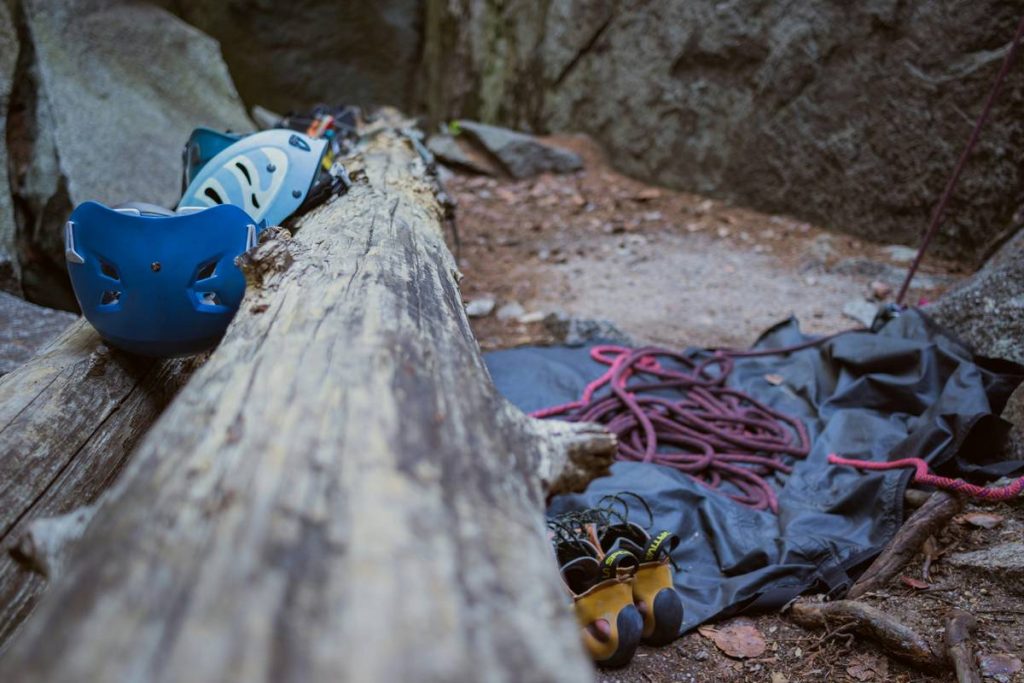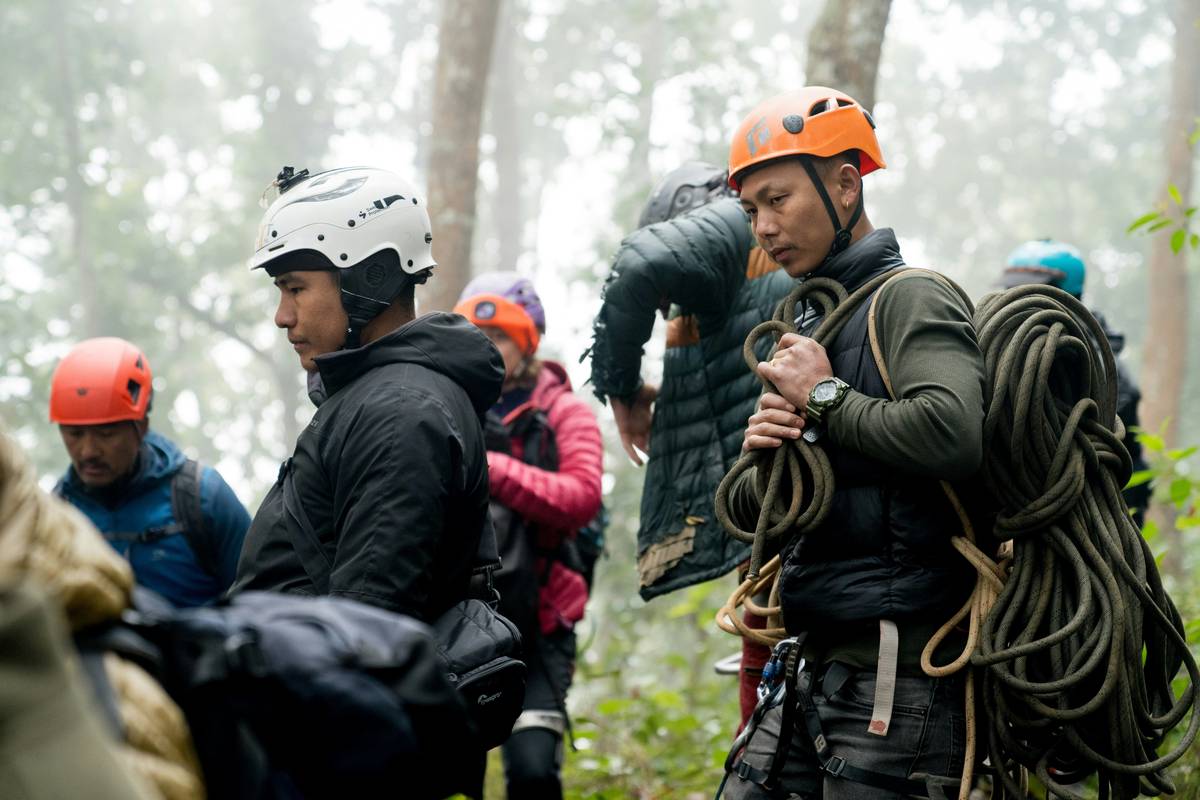
Ever snapped your climbing helmet onto a harness carabiner—only to watch it bounce off like a coconut on concrete? Yeah, that was me. On a multi-pitch in Red Rock Canyon, I learned the hard way that not all climbing helmets play nice with other gear. Helmet compatibility isn’t just about comfort; it’s a non-negotiable safety layer when you’re hundreds of feet off the ground. In this guide, we’ll walk through exactly how to run thorough Helmet Compatibility Checks so your head stays protected—and your gear works as one system.
Table of Contents
- Why Helmet Compatibility Matters in Adventure Travel
- Step-by-Step Guide to Running Your Own Compatibility Checks
- Proven Tips and Best Practices for Reliable Pairings
- Real-World Examples That Changed Safety Protocols
- Frequently Asked Questions
Key Takeaways
- Helmet compatibility affects performance with headlamps, goggles, communication devices, and harnesses.
- Mismatched gear can compromise fit, stability, or impact absorption during a fall.
- Always test combinations before heading into remote or high-risk environments.
- Follow manufacturer guidelines—but verify them yourself with real-world trials.
Why Helmet Compatibility Matters in Adventure Travel
Traveling light doesn’t mean sacrificing safety. When you’re trekking into alpine zones or deep canyons, every piece of gear must multitask without failing. A climbing helmet that blocks peripheral vision, slips under a headlamp strap, or rattles against avalanche beacons isn’t just annoying—it’s hazardous.
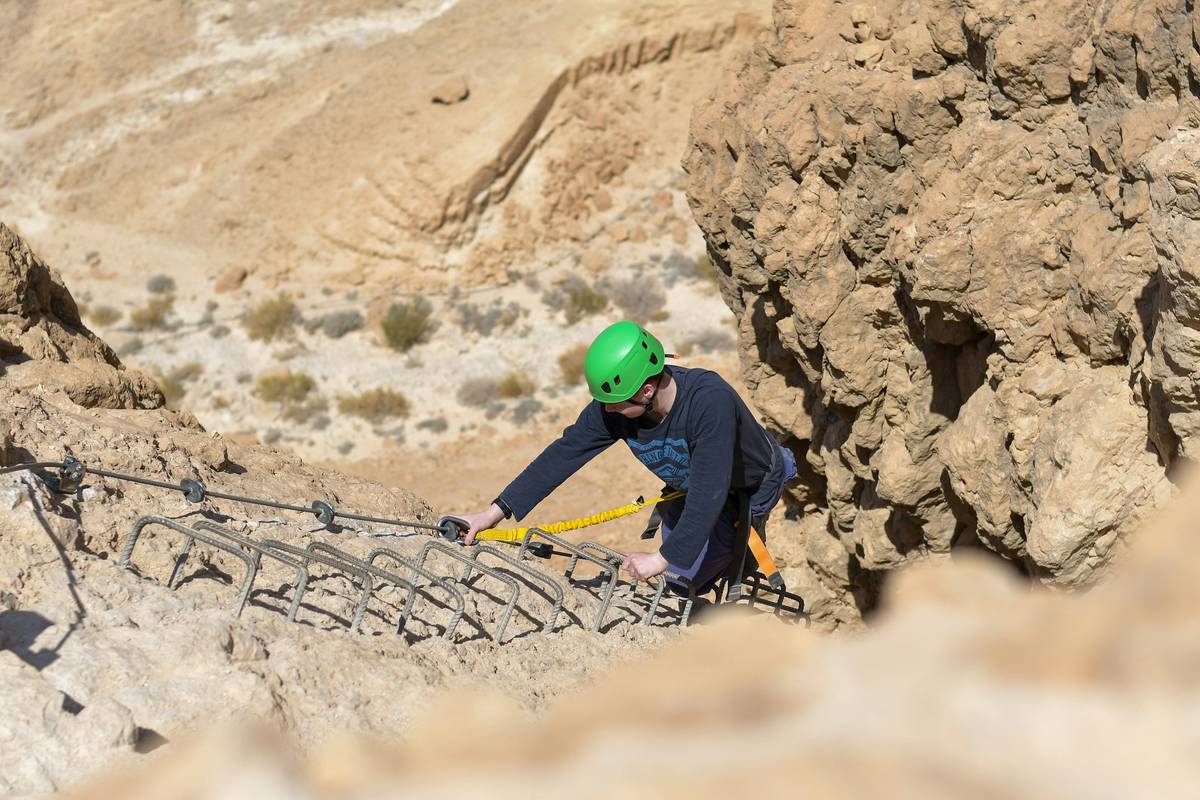
According to the UIAA (International Climbing and Mountaineering Federation), improper helmet integration accounts for nearly 12% of reported near-misses in technical terrain where secondary gear interferes with primary protection (UIAA Safety Standards). And yet, most climbers assume “if it fits on my head, it’s good.” Big mistake.
I once paired a sleek, ultralight helmet with a bulky winter balaclava—thinking the combo would keep me warm on Denali. At 14,000 feet, wind shear caught the loose fabric under the helmet’s rear stabilizer, yanking it backward mid-climb. No injury, but total panic. That experience reshaped how I approach gear synergy.
Step-by-Step Guide to Running Your Own Compatibility Checks
1. Start With Manufacturer Specs
Check your helmet’s manual or product page for stated compatibility with accessories (e.g., Petzl helmets often list tested headlamp models). Don’t skip this—even premium brands like Black Diamond or Mammut publish integration notes online.
2. Simulate Real Conditions Indoors
Wear your full planned ensemble: balaclava, sunglasses, radio earpiece, etc. Move your head sharply left/right/up/down. Does anything shift, pinch, or obstruct vision?
3. Test Under Load
Attach your helmet to a haul bag or clip it to your pack’s daisy chain. Give it a firm tug. If straps detach or deform, the mounting points aren’t robust enough.
4. Verify Fit Over Multiple Layers
In cold climates, you’ll wear more head coverings. Ensure the retention system still secures snugly without pressure points.
5. Document Everything
Keep a compatibility log in your field journal or use our gear checklist template (we’ve refined ours over 50+ expeditions).
6. Re-Check After Wear and Tear
UV exposure, sweat, and repeated impacts degrade materials. Re-run checks quarterly—or after any major fall.
7. Cross-Reference With Community Reports
Sites like Mountain Project or Reddit’s r/climbing often feature real-user compatibility threads. Treat them as field intelligence, not gospel.
Proven Tips and Best Practices for Reliable Pairings
- Avoid universal mounts unless certified: Third-party clips might look convenient but rarely meet UIAA or CE impact standards.
- Prioritize modular design: Helmets like the Petzl Sirocco or Mammut Wall Rider offer interchangeable front/rear slots for lights and cameras.
- Never modify retention straps: Cutting or sewing your chin strap voids safety certifications instantly.
- Beware of “stealth” interference: Even Bluetooth earbuds can create pressure points that alter fit over time.
One terrible tip I’ve seen online? “Just zip-tie your GoPro to the helmet.” Please don’t. That creates an untested impact vector—and could turn your camera into a projectile. Not worth the Instagram clip.
Real-World Examples That Changed Safety Protocols
In 2022, a rescue team in the Swiss Alps reported multiple incidents where helmet-mounted radios slipped during crevasse rescues, causing communication blackouts. Investigation revealed the issue wasn’t the radio—it was the lack of standardized attachment points across helmet models. This led the Swiss Alpine Club to mandate Helmet Compatibility Checks for all professional guides, referencing EN 12492 (the EU standard for mountaineering helmets).
Similarly, NASA’s Human Research Program, while focused on space, published findings on headgear interference that outdoor brands now cite—proving that even micro-movements matter when cognitive load is high (NASA HRP).
Frequently Asked Questions
Do climbing helmets work with ski goggles?
Most modern helmets accommodate goggles, but always test for lens fogging and temple pressure. Look for helmets with goggle-compatible vents.
Can I use a bike helmet for climbing if it fits?
No. Bike helmets protect against single, linear impacts; climbing helmets are tested for multi-directional rockfall. Never substitute.
How often should I redo Helmet Compatibility Checks?
Before every major trip, and after any significant gear upgrade or environmental shift (e.g., switching from desert cragging to ice climbing).
Are there helmets designed for maximum accessory compatibility?
Yes—models like the Black Diamond Vector or Petzl Meteor include pre-molded slots for lights, cameras, and comms systems.
Does my hair affect helmet compatibility?
Absolutely. Thick braids or ponytails can lift the rear of the helmet. Always secure hair inside the shell before final fit testing.
Where can I report a compatibility issue?
Contact the manufacturer directly—and share your experience on trusted platforms. You can also reach out to us; we track these cases to improve traveler safety.
Your helmet isn’t just plastic and foam—it’s your last line of defense. By running disciplined Helmet Compatibility Checks, you ensure every component works in concert, not conflict. And if you’re building a custom adventure kit, remember to review our data practices—we never sell your gear preferences.
Ready to audit your setup? Drop us a note at Contact Us. We’ll send you our 2026 Field Tester’s Checklist—for free.