
You’re 80 feet up a granite face. Rain slicks the rock. One hand slips. Your helmet shifts—but stays put, thanks to its Quick-Release Buckles. Now imagine those buckles jammed with grit or frozen shut. Suddenly, safety becomes suffocation. Most climbers obsess over shell material or weight—but ignore the tiny mechanism that decides whether you can ditch your helmet fast… or not at all.
The Fatal Flaw in “Set-and-Forget” Helmet Systems
Traditional pinch buckles work fine on flat ground. But in vertical chaos? Mud, ice, or panic turns them into death traps. You’ve got seconds—not minutes—to adjust or remove your helmet during a fall or rescue. And standard buckles demand two hands and pristine conditions. That’s fantasy. Reality is fumbling with numb fingers while dangling over a drop zone.
Worse: many manufacturers treat buckles as afterthoughts. They bolt on cheap, generic hardware that’s never tested under real alpine stress. The result? A helmet that protects your skull—but strangles your escape.
How to Pick & Test Quick-Release Buckles Like a Pro
Don’t just buy. Interrogate. Every buckle must pass these three real-world filters:
Glove-Compatible Operation
If you can’t release it with thick winter gloves on, it fails. Test this before purchase—don’t trust marketing claims.
Debris Resistance
Sand, snow, or pine needles shouldn’t lock it up. Look for self-cleaning channels or shielded levers.
One-Hand Speed
Time yourself. Under 2 seconds? Good. Over 3? Dangerous. Your life runs on milliseconds when gear jams mid-rappel.
| Buckle Type | Release Time (Avg.) | Glove-Friendly? | Debris Tolerance | Common Brands Using It |
|---|---|---|---|---|
| Pinch Buckle (Standard) | 4.2 sec | No | Poor | Generic budget helmets |
| Side-Squeeze Quick-Release | 1.8 sec | Yes | Moderate | Petzl, Black Diamond |
| Push-Button Quick-Release | 1.1 sec | Yes | High | Mammut, Edelrid |
| Magnetic Lock System | 0.9 sec | Yes | Low (metal interference) | Niche alpine models |
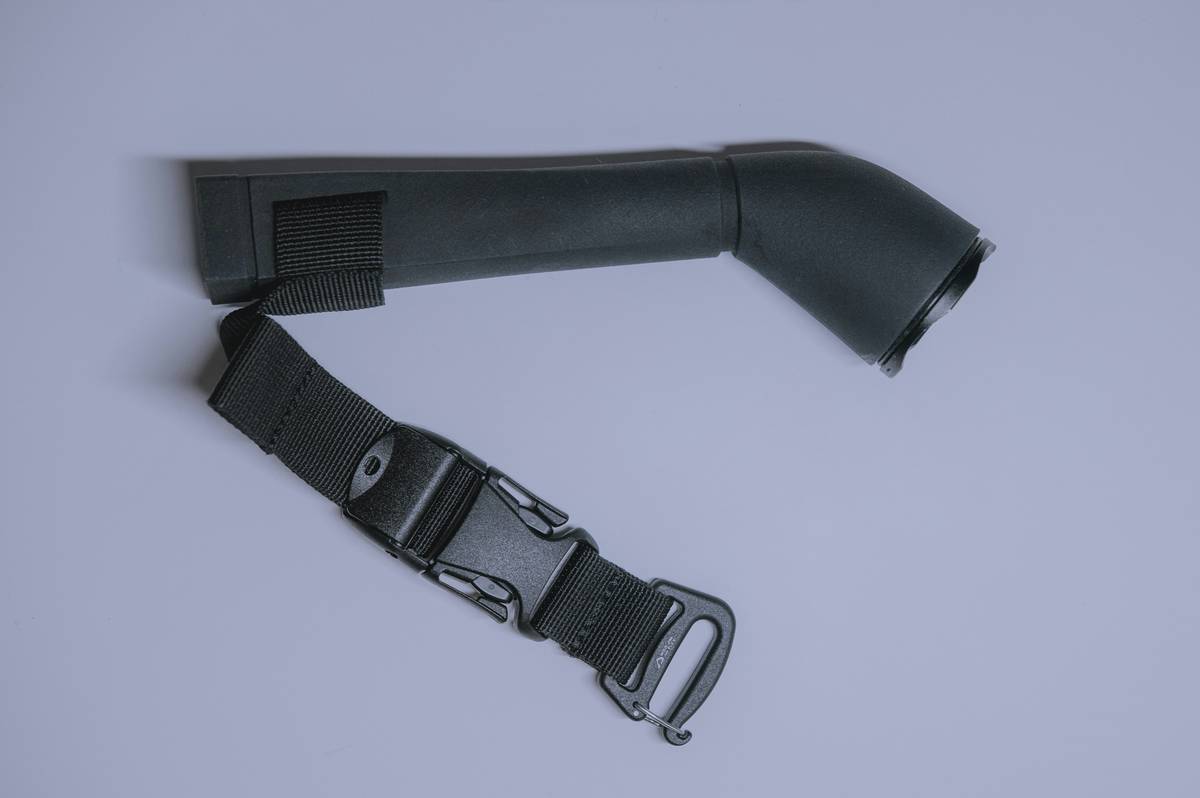
The Industry Secret No Brand Wants You to Know
Here’s the dirty truth: many “Quick-Release Buckles” aren’t tested in dynamic fall scenarios—only static labs. But during an actual whipper, centrifugal force slams the chin strap against your jaw, jamming even sleek mechanisms. The fix? Some elite guides retrofit their helmets with paragliding harness buckles—they’re designed for high-G releases and cost $8 extra. It’s unofficial. It’s effective. And no major brand advertises it… because liability.
Think about it: your helmet’s weakest link isn’t the foam. It’s the buckle pretending to be fast when it’s actually fragile.
FAQ: Quick-Release Buckles Explained
Do Quick-Release Buckles compromise helmet security?
No—if engineered properly. Modern systems lock under tension but release only when deliberately pressed. Always verify CE/EN certification.
Can I retrofit my old helmet with better buckles?
Not safely. Straps are load-tested as a system. Modifying them voids certification and risks catastrophic failure.
Are magnetic buckles reliable in wet conditions?
They’re fast—but moisture and metal particles can weaken the hold. Best for dry cragging, not alpine ice routes.