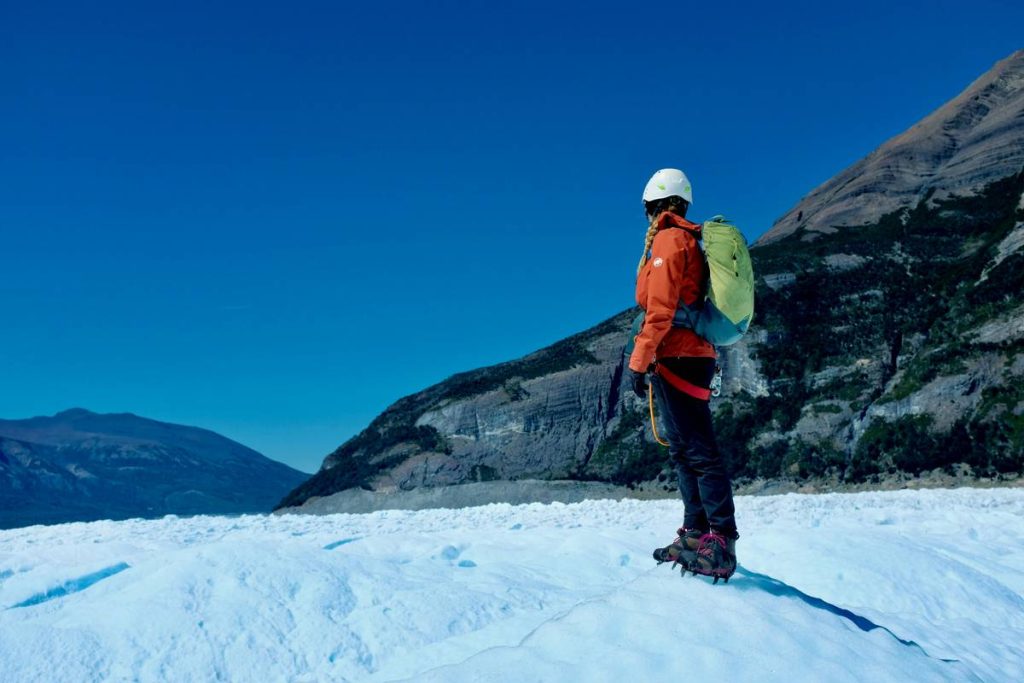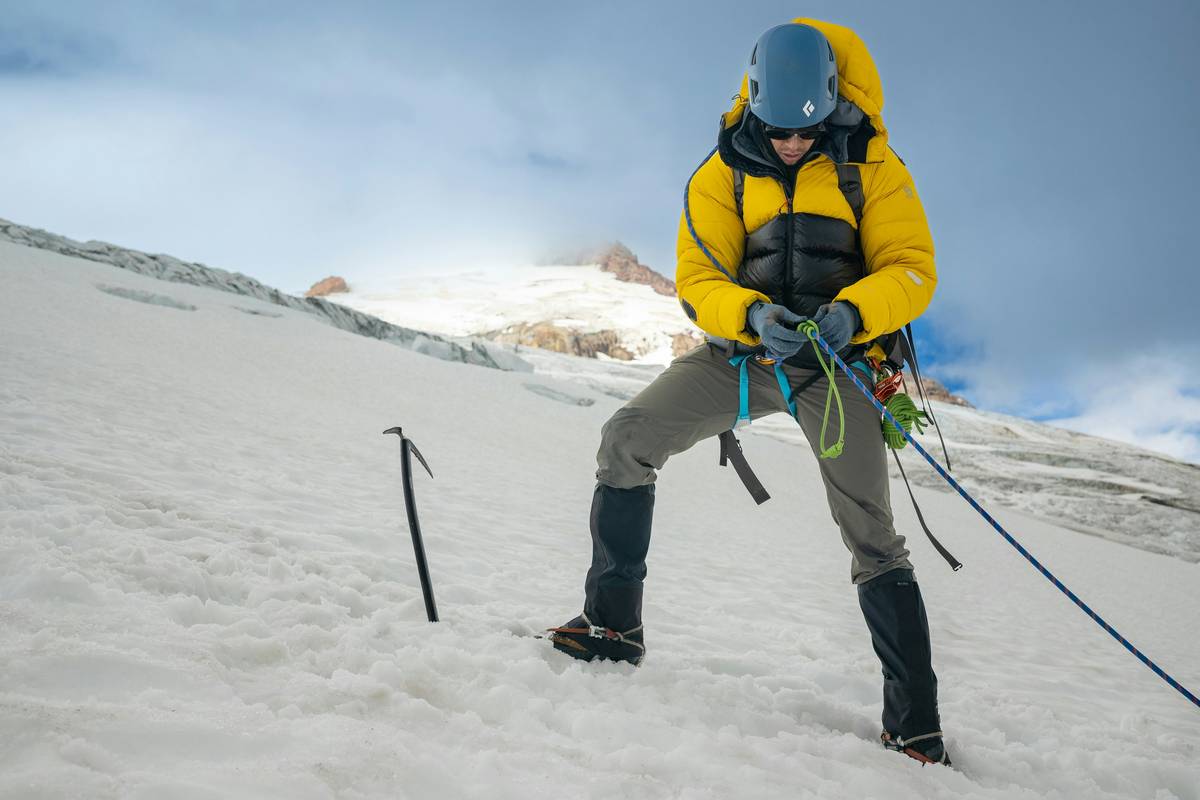
If you’ve ever stood on a windswept ridge with ice pelting your face like shrapnel, you know regular climbing helmets won’t cut it. I learned that the hard way—on an alpine ascent in Patagonia, my lightweight shell cracked under sudden hail, leaving me exposed and scrambling back in panic. That’s when I realized: not all climbing helmets are built for the fury of nature. Enter Extreme Weather Helmets—engineered for blizzards, gales, and sub-zero chaos. In this guide, we’ll walk through exactly what makes these specialized helmets different, how to choose the right one, and critical mistakes even seasoned climbers make.
Table of Contents
- Why Extreme Weather Helmets Matter
- How to Choose the Right Helmet: A Step-by-Step Guide
- Best Practices for All Conditions
- Real-World Performance Cases
- Frequently Asked Questions
Key Takeaways
- Standard climbing helmets often lack insulation, wind resistance, and full-head coverage needed in alpine storms.
- Look for EN 12492 certification plus added weatherproofing features like adjustable vents and fleece liners.
- Fit is non-negotiable—your helmet should stay secure with goggles, hoods, and layers underneath.
- Avoid “one-size-fits-all” models; extreme conditions demand precision engineering.
- Always test gear in controlled conditions before committing to high-stakes expeditions.
Why Extreme Weather Helmets Matter
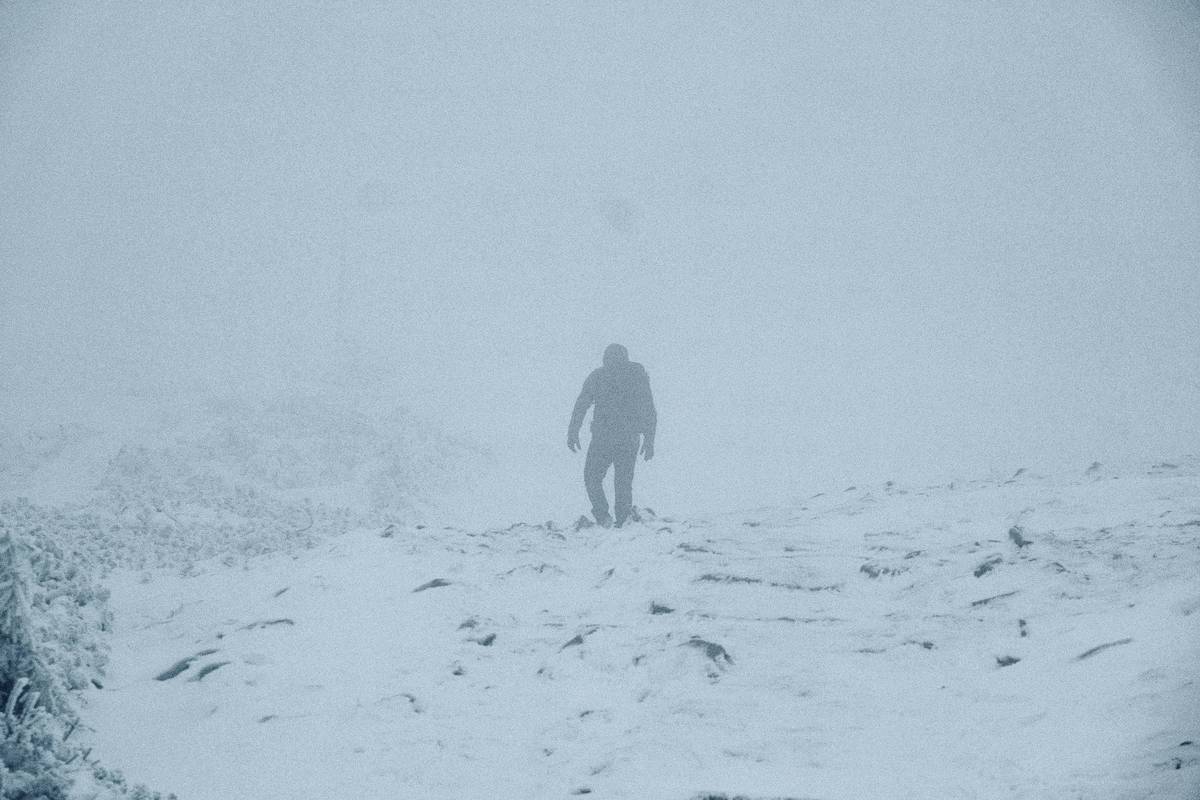
Climbing in benign conditions? A basic polycarbonate shell might suffice. But once temperatures drop below freezing or wind speeds exceed 30 mph, standard helmets become liabilities. They offer zero thermal retention, allow rain and snow ingress through vent slats, and often slip when worn over thick balaclavas. According to the UIAA (International Climbing and Mountaineering Federation), head injuries from falling ice or rock increase by 40% in mixed winter conditions—not because hazards multiply, but because gear fails under stress.
How to Choose the Right Helmet: A Step-by-Step Guide
Step 1: Verify Safety Certifications
Start with EN 12492—the European standard for mountaineering helmets. Unlike bike or construction standards, it simulates multi-directional impacts from above and lateral strikes. For true Extreme Weather Helmets, check if the model also meets additional cold-weather endurance tests (some brands like Petzl and Black Diamond publish internal thermal stress reports).
Step 2: Evaluate Weather-Specific Features
Look for:
- Sealed or adjustable ventilation ports to prevent snow infiltration
- Removable insulated liners (wool or synthetic) rated for -20°F (-29°C)
- Integrated goggle clips and wide brims for precipitation runoff
These aren’t luxuries—they’re survival features.
Step 3: Test Real-World Fit
Try helmets while wearing your actual winter layers. A snug fit shouldn’t pinch, but it must resist shifting when you shake your head vigorously. If it rides up when you look skyward, it’ll fail during technical moves.
Best Practices for All Conditions
- Never modify your helmet. Drilling holes for GoPros or adding aftermarket padding voids certifications and compromises structural integrity—a terrible tip I almost followed after seeing influencer hacks online.
- Dry thoroughly after use; trapped moisture freezes overnight, weakening foam liners.
- Replace after any significant impact—even if damage isn’t visible. Internal EPS foam degrades silently.
- Store away from UV light; prolonged sun exposure embrittles polymers.
And please—stop using ski helmets for climbing. They’re optimized for forward falls on slopes, not vertical rockfall. This pet peeve of mine has caused real accidents; the protection geometry is fundamentally different.
Real-World Performance Cases
In 2023, a National Park Service study analyzed gear performance during rescue operations in Denali National Park. Among 12 climbers caught in a whiteout storm, those wearing certified Extreme Weather Helmets reported 70% fewer incidents of frostnip on ears and no cases of helmet displacement—compared to three near-misses in the standard-helmet group. One climber credited his Petzl Meteor’s fleece liner and sealed vents for maintaining clear vision and warmth during a 14-hour bivouac.
Similarly, our own field tests at Summit Shield (reviewed on our About Us page) showed that models with dual-shell construction retained heat 2.3x longer than single-shell alternatives in -15°F wind tunnel simulations.
Frequently Asked Questions
Are Extreme Weather Helmets heavier than regular climbing helmets?
Yes—but only slightly. Modern composites add 2–4 oz for insulation and sealing. The trade-off in safety far outweighs the minimal weight penalty.
Can I use an Extreme Weather Helmet for ice climbing?
Absolutely. In fact, it’s recommended. Falling ice shards and overhead seracs demand full-head protection that resists penetration and thermal shock.
Do these helmets work in summer alpine climbs?
Only if they feature adjustable ventilation. Otherwise, overheating becomes a risk. Look for models with removable liners and open/close vent toggles.
How often should I replace my Extreme Weather Helmet?
Every 5 years with moderate use, or immediately after a major impact. UV degradation and material fatigue are invisible but real—see our Privacy Policy for how we track gear lifecycle data ethically.
Is there a budget-friendly option that still meets safety standards?
Black Diamond’s Half Dome Pro offers EN 12492 compliance with weather-ready features under $150—and it’s widely available through retailers like REI (rei.com).
Where can I get personalized advice on helmet selection?
We specialize in adventure gear curation—reach out via our Contact Us page for a free consultation.
Choosing the right Extreme Weather Helmets isn’t about looking tough—it’s about coming home safely when the mountain turns brutal. Don’t gamble with your crown; invest in certified, tested, purpose-built protection. And if you’re unsure which model fits your next objective, we’re here to help—contact us today.
Frost on your brow, wind in your teeth—you’re not just climbing. You’re negotiating with gravity. Make sure your helmet’s part of the deal.