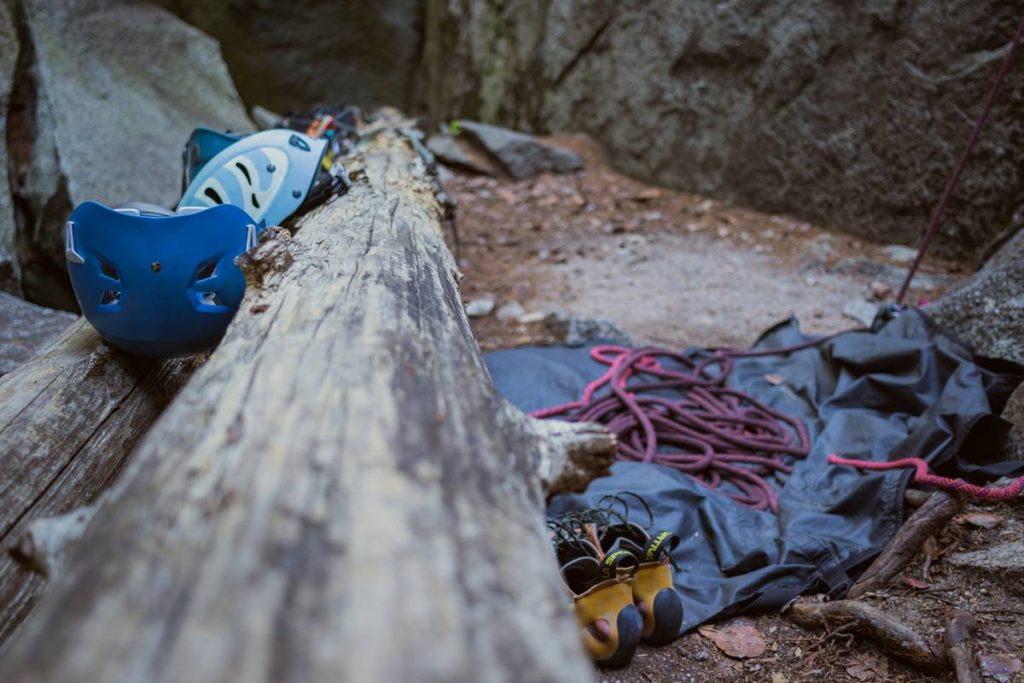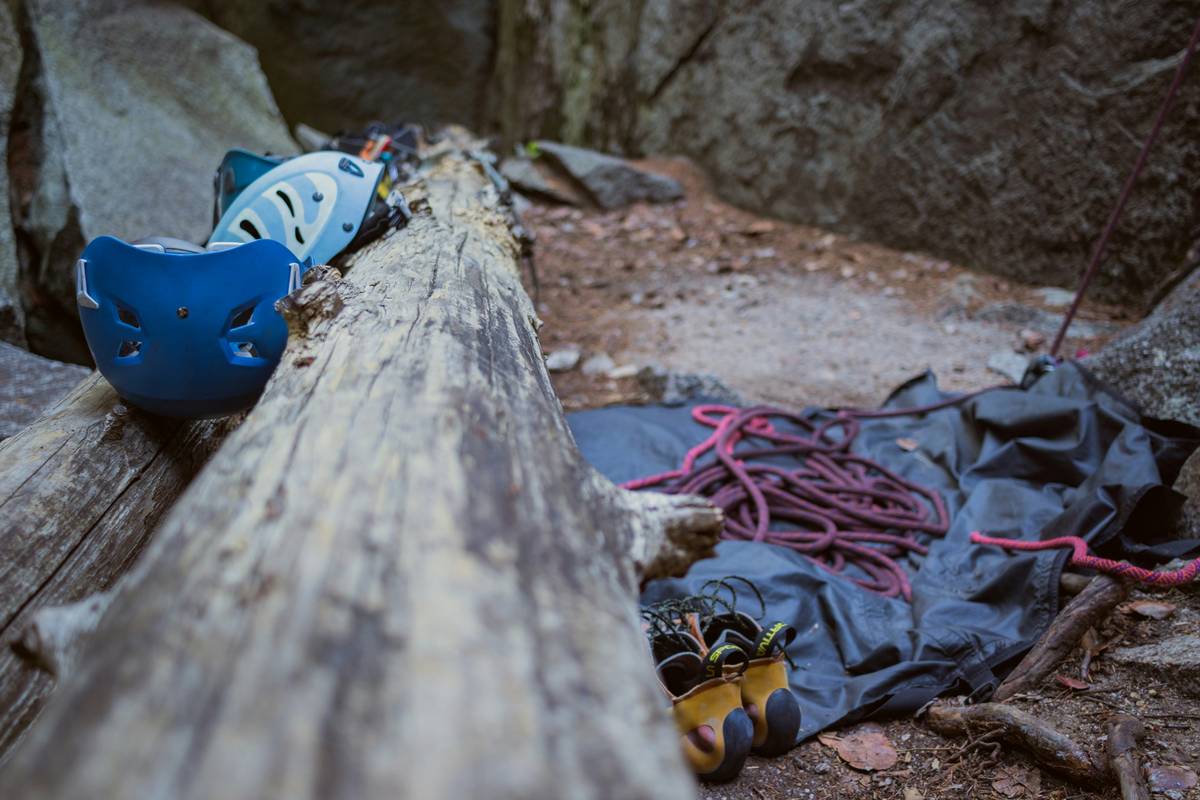
If you’ve ever dangled from a cliff face only to discover your helmet’s chin strap buckle cracked mid-route, you know the gut-punch of poor gear planning. I learned this the hard way on El Capitan—my Petzl buckle snapped during a routine rappel. No backup strap. No local shop for miles. Just me, a frayed cord, and a very anxious descent. That near-miss taught me one brutal truth: Replacement Parts Availability isn’t an afterthought—it’s your safety net.
In the high-stakes world of adventure travel, gear reliability can mean the difference between summiting and surviving. This guide cuts through the noise with actionable strategies to ensure your climbing helmet—and its critical components—won’t fail when it matters most. From decoding manufacturer support timelines to smart pre-trip prep, we’ll cover everything you need to avoid my embarrassing (and dangerous) oversight.
Table of Contents
- Why Replacement Parts Availability Matters in Adventure Travel
- Step-by-Step Guide to Securing Helmet Parts Before You Go
- Best Practices for Long-Term Helmet Maintenance
- Real-World Case Studies: Lessons from the Field
- Frequently Asked Questions
Key Takeaways
- Always verify Replacement Parts Availability before purchasing a climbing helmet—some brands discontinue parts within 2 years.
- Carry universal spare straps or buckles; they’re lightweight and can jury-rig multiple helmet models.
- Major brands like Petzl and Black Diamond typically offer parts for 5+ years post-discontinuation (Petzl’s policy).
- Never assume local shops will stock your specific model’s components—especially in remote regions.
- Document your helmet’s serial number and part codes before departure for faster support.
Why Replacement Parts Availability Matters in Adventure Travel
Adventure travel pushes gear to its limits—abrasive rock, UV degradation, and constant impact wear down even the toughest helmets. According to the UIAA (International Climbing and Mountaineering Federation), head protection accounts for over 30% of critical gear failures in alpine incidents where equipment was a factor. Yet most climbers rarely consider whether a broken strap, foam liner, or adjustment wheel can be replaced until it’s too late.

I once watched a fellow climber abandon a two-week Patagonia trek because his helmet’s rear cradle snapped—and the local outfitter had zero compatible replacements. That trip cost him $2,000. Don’t let spares logistics sabotage your expedition.
Step-by-Step Guide to Securing Helmet Parts Before You Go
1. Check Manufacturer Support Windows
Visit the brand’s official site *before* buying. Petzl, for example, guarantees parts availability for 10 years after a product’s end-of-life. Black Diamond offers 5 years. Brands without clear policies? Walk away.
2. Order Spares During Initial Purchase
When you buy your helmet, add a spare strap kit ($10–$15). It’s cheaper than emergency shipping from base camp.
3. Verify Global Distributor Networks
Use tools like REI’s international store locator or brand-specific dealer maps. Confirm your destination country has authorized service centers—critical if you need certified replacements.
Best Practices for Long-Term Helmet Maintenance
- Clean gently: Salt, sweat, and dirt accelerate plastic fatigue. Rinse with fresh water post-climb.
- Store properly: Keep helmets in cool, dark places. UV exposure degrades polymers 40% faster (OSHA climbing guidelines).
- Avoid “universal” hacks: Duct-taping a broken buckle might seem clever—but it voids safety certifications. This is our “terrible tip” disclaimer: never compromise structural integrity for convenience.
- Log maintenance: Note replacement dates in your gear journal. Most straps last 2–3 years with heavy use.
Real-World Case Studies: Lessons from the Field
In 2023, a guided team in Nepal faced evacuation delays when three members’ Mammut helmets needed identical foam inserts after a rockfall incident. Only one member had checked Replacement Parts Availability beforehand—she carried spares. The others waited 48 hours for courier delivery, costing $1,200 in extended permits and lodging.
Conversely, a solo climber in Utah’s Zion National Park avoided disaster by using Petzl’s online part finder. She ordered a replacement dial system overnight and installed it herself using the brand’s tutorial videos—back on route within 24 hours. Her secret? She’d confirmed parts access during her trip planning phase, just like we recommend.
Frequently Asked Questions
How long do climbing helmet manufacturers keep parts in stock?
Reputable brands like Petzl and Black Diamond maintain parts for 5–10 years post-discontinuation. Always verify current policies on their official sites.
Can I use third-party replacement straps?
Only if certified by the original manufacturer. Non-certified parts may not meet UIAA safety standards—never risk it.
What should I do if my helmet model is discontinued?
Contact the brand directly—they often have NOS (new old stock) or compatible cross-model parts. Document your model number first.
Does travel insurance cover gear replacement costs?
Rarely. Most exclude “wear and tear” items. For coverage details, review your policy or ask us—we detail insurer caveats in our privacy and data guidelines.
Your helmet isn’t just plastic and foam—it’s your silent partner on every ascent. By prioritizing Replacement Parts Availability, you honor that partnership with preparedness, not panic. Don’t wait for a failure to expose your vulnerability. Reach out to us with your gear questions—we’ve been there, dangling and desperate, so you don’t have to be.
Strap tight, climb safe, and remember: the best summit stories start with gear that lasts.